Day 1: Tokyo Tower & teamLab Borderless
It’s our first day in Tokyo, so we’re easing in slow. No rush – just a bit of exploring and some seriously cool views.
Today is all about Tokyo Tower and the mind-blowing teamLab Borderless museum. They’re within easy walking distance, so it’s a relaxed (but still exciting) way to kick things off. Tokyo might be the most populated city in the world, but it feels surprisingly calm and organized. You’ll pass ancient shrines next to robot cafés. Even a chill walk turns up something worth seeing. So – let’s go.
Catch Iconic Tokyo Tower Views
Tokyo Tower is one of the most recognizable landmarks in the city – it’s actually a radio tower that was once Japan’s tallest structure until Tokyo Skytree took over. So let’s walk around to find those postcard photos!
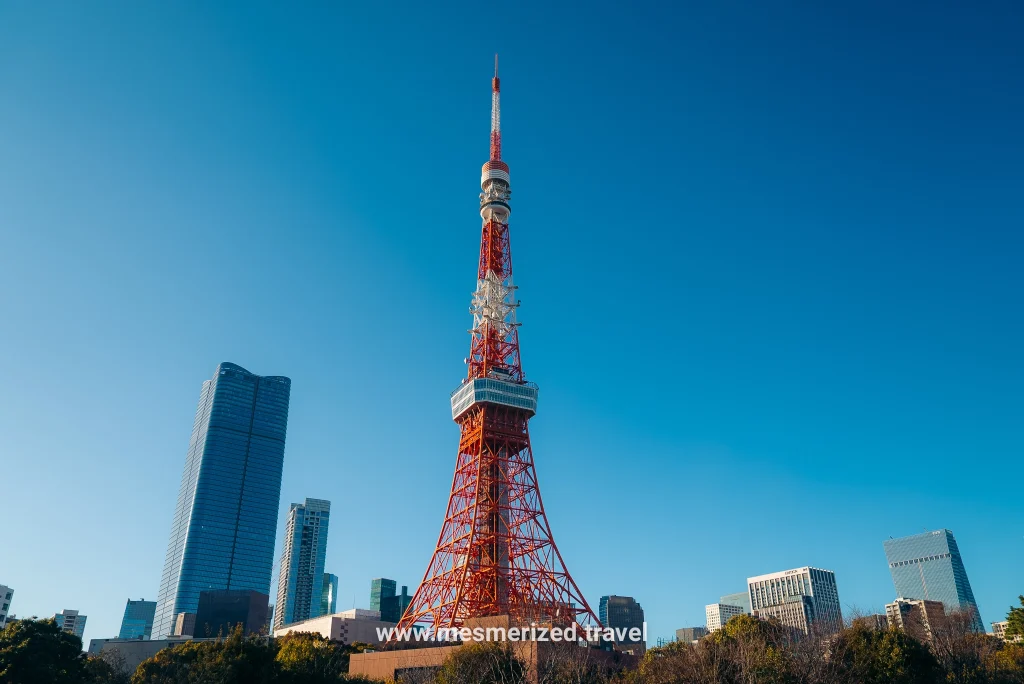
Azabudai Hills Mori JP Tower – Head up to the 34th-floor café for a drink and some of the best elevated views of Tokyo Tower. There’s a ¥500 table charge, drinks start around ¥800, and there aren’t many seats, but the two-story space and staircase make it feel open and calm. Fun fact: it used to have a free observation deck when it first opened, but now the café runs the show.
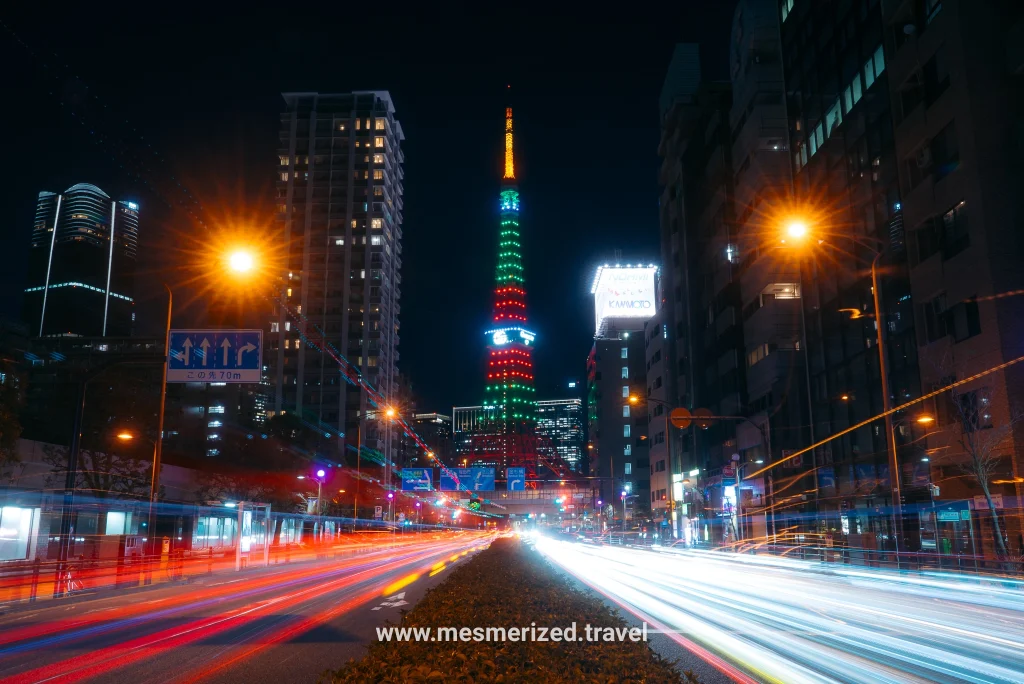
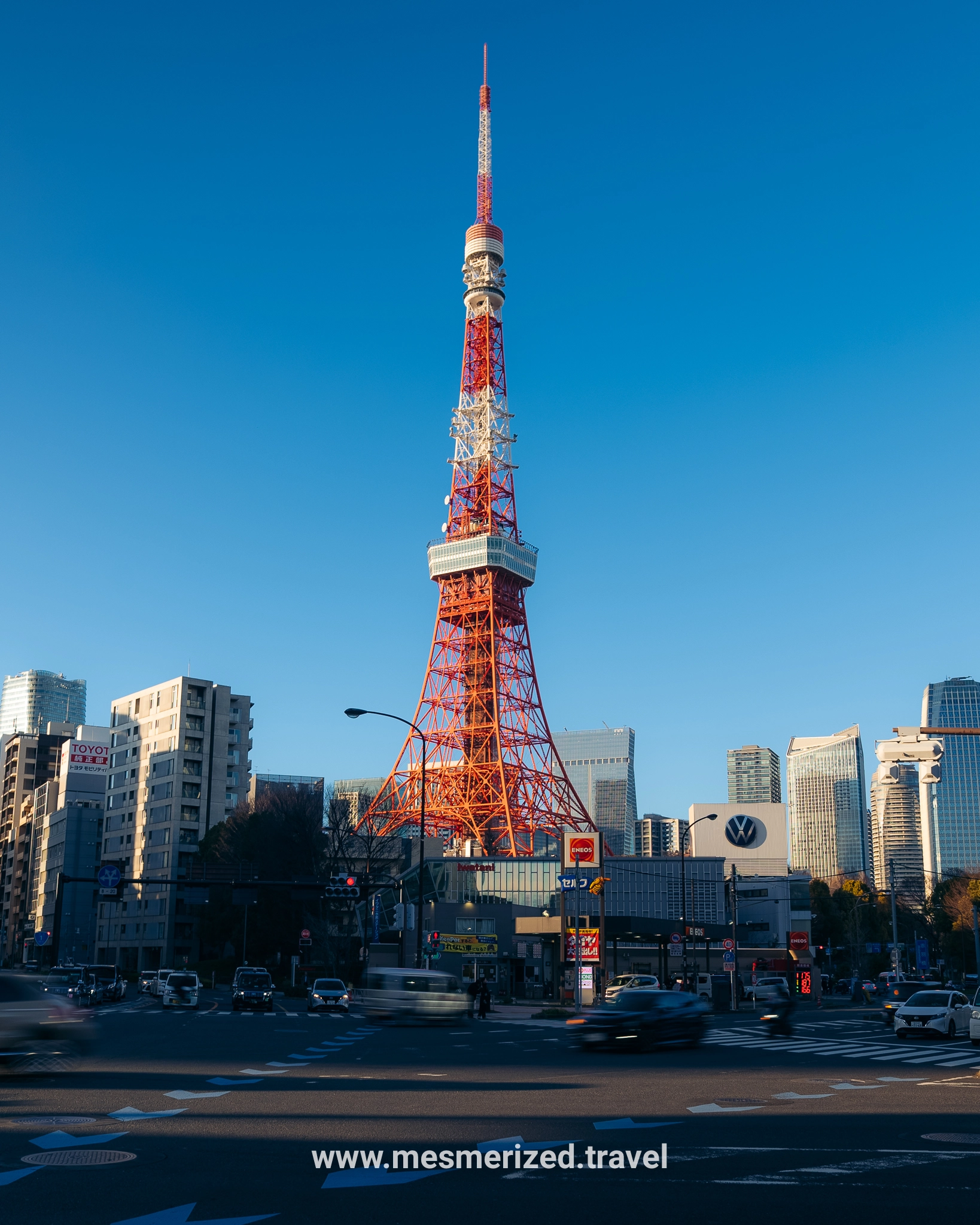
7-Eleven: Tokyo Tower Street View – This street is perfect for a crisp, symmetrical shot of the tower. During the day we grabbed photos from just outside the 7-Eleven, then came back at night to snap from the pedestrian island in the middle – it was gorgeous. Tokyo Tower sometimes changes colors for special events. When we were there, it was glowing in Italian colors for a Gucci anniversary in Japan.
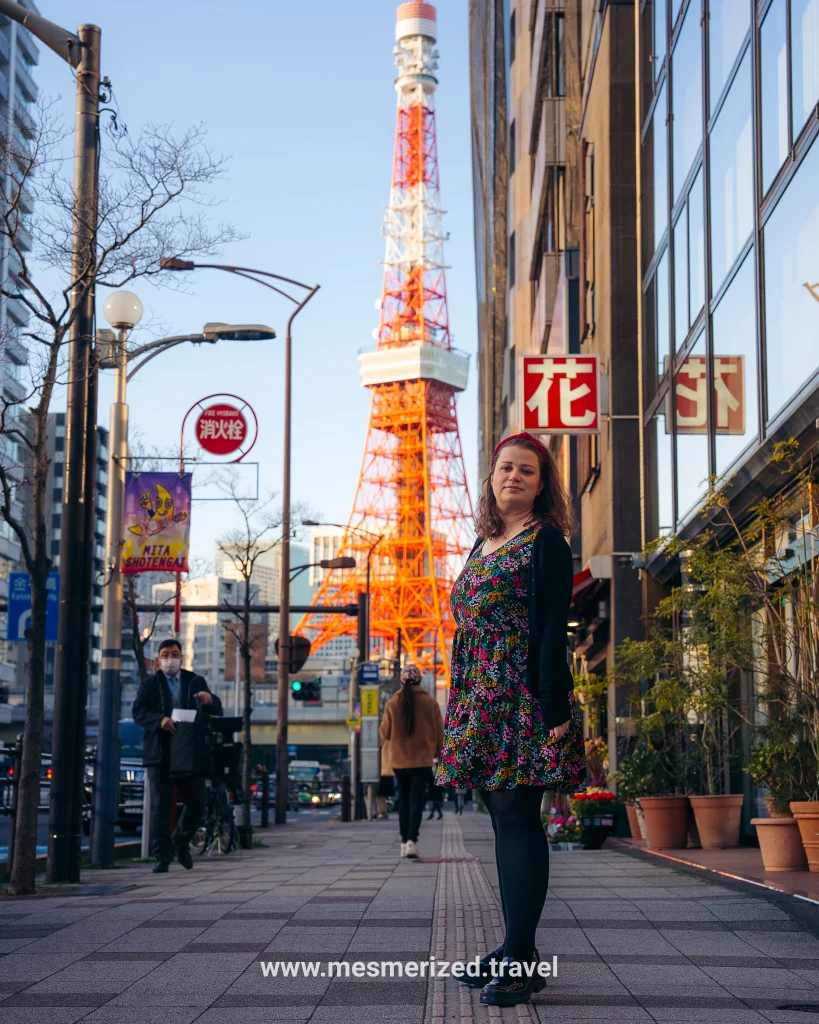
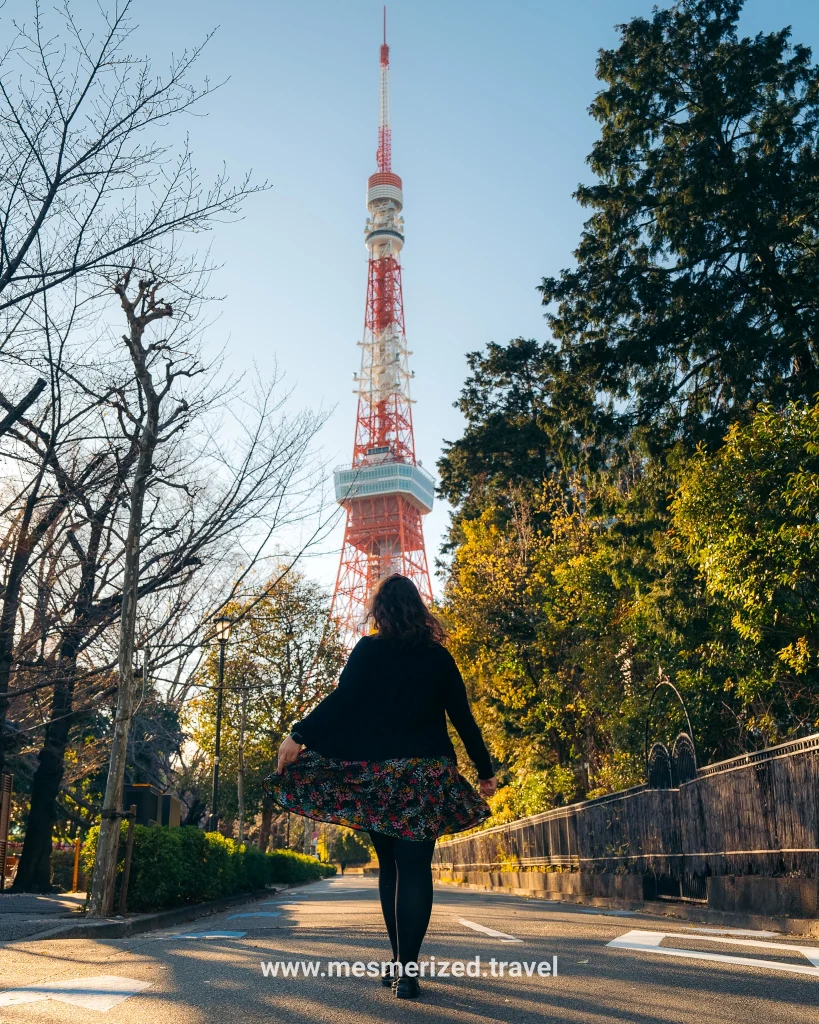
Tokyo Tower Stairs – Technically, this is the entrance to a parking lot—yes, really! It’s one of those viral spots where everyone wants the perfect angle. We tried three times to get the shot, but the wait was at least 30 minutes. If you see a short line, grab it. Otherwise, there’s plenty of other views to enjoy.
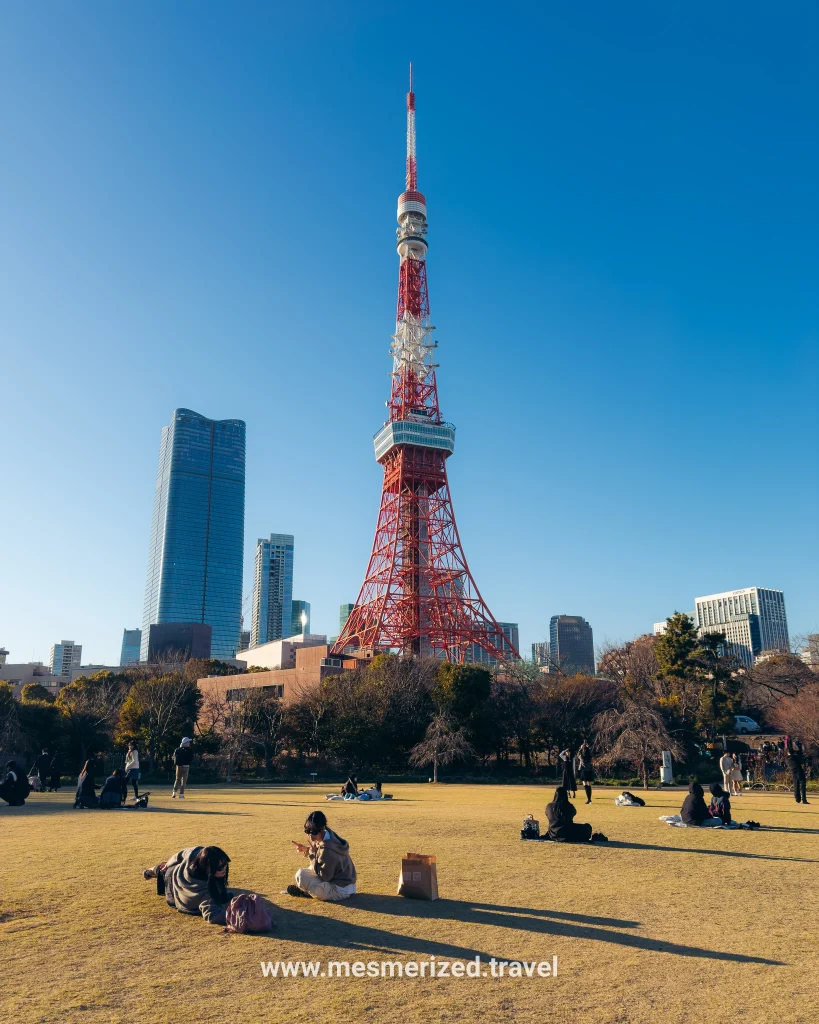
Shiba Park – A peaceful green space with a lovely direct view of Tokyo Tower. Perfect for chilling out, people-watching, or snapping a few more photos from just the right angle. And right next to the park is the street that perfectly frames the Tower.
Climb Tokyo Tower
Time to go up! Tokyo Tower was Japan’s tallest structure until Tokyo Skytree arrived – and it still offers some of the best city views you’ll get anywhere in Tokyo.
Built in 1958 and inspired by the Eiffel Tower (but actually taller), it’s not just for looks – it still functions as a working radio and TV broadcasting tower.
You can choose between:
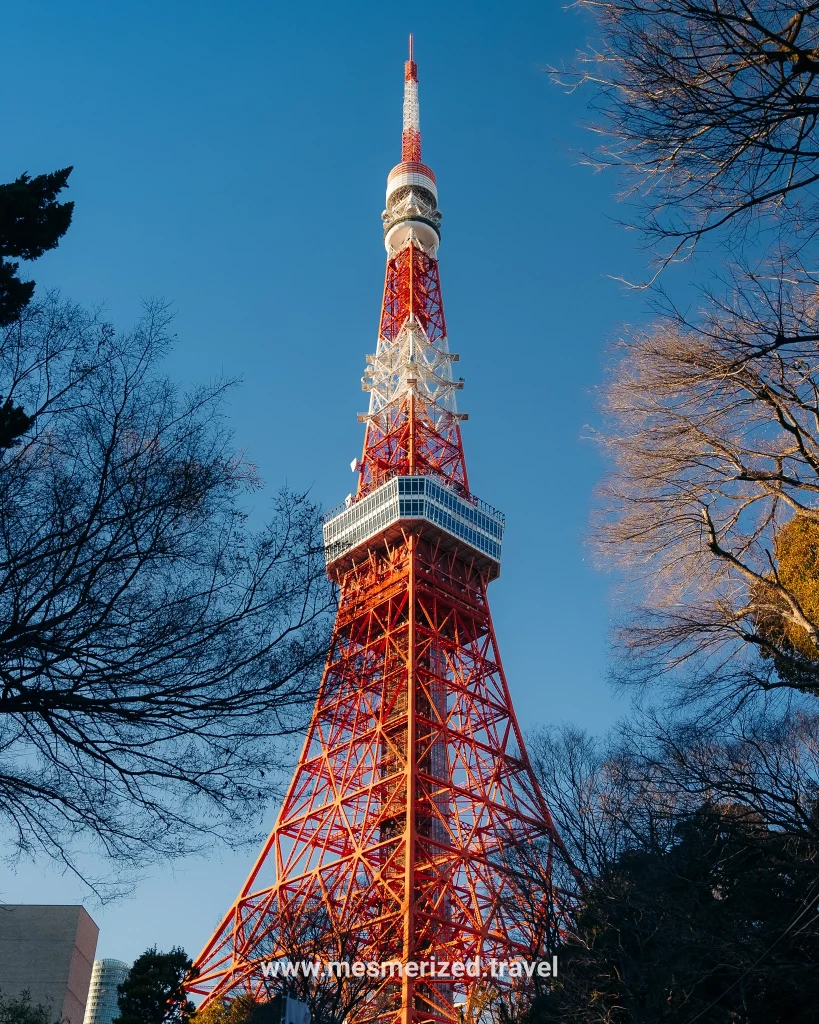
- Main Deck (150m): Great view and quicker to access.
- Top Deck (250m): If you’re not afraid of heights, go all in!
We didn’t go up because we forgot to book in advance… don’t be like us.
Climb the Tokyo Tower
Visit the iconic Red Tower in the heart of Tokyo. Climb to the top of the second-highest tower in Japan. Ticket valid all day!
Book NowteamLab Borderless Immersive Museum
You’ve probably heard about the teamLab museums – they’re not your regular galleries. We went to teamLab Borderless (the city center one), and it was next-level unique.
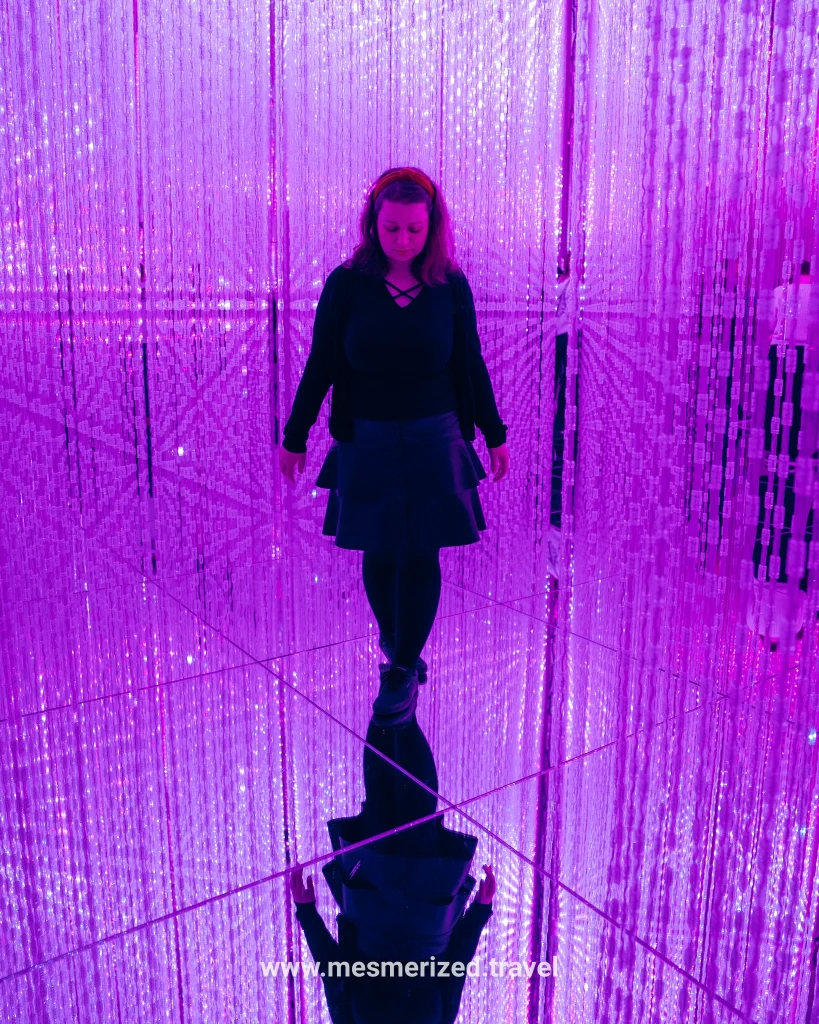
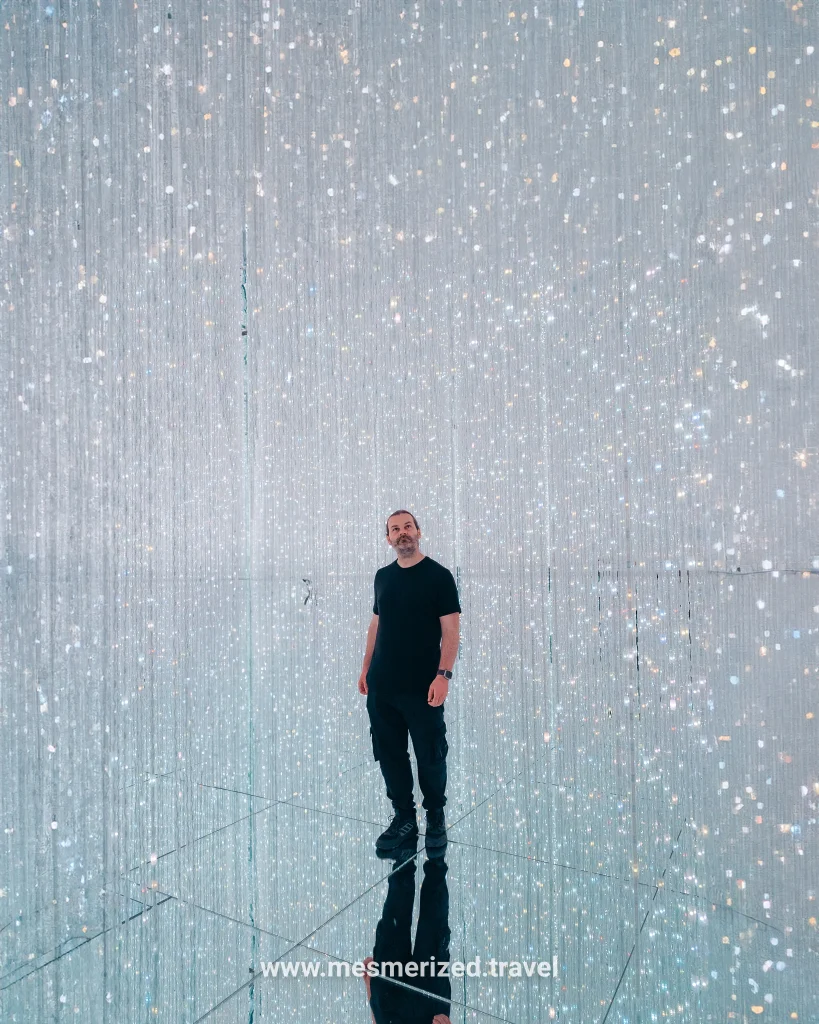
There’s no fixed path – just room after room of dreamlike light installations, floral projections, floors that feel alive, and surprising hidden nooks. Plan to spend at least two hours, or you’ll feel like you missed half the fun.
- Tickets sell out fast, so definitely book online in advance – either on the official site or through Klook where you can save a bit.
- When you arrive, download their app – it maps the exhibition and helps you avoid getting lost (we did spend 20 minutes searching for the exit).
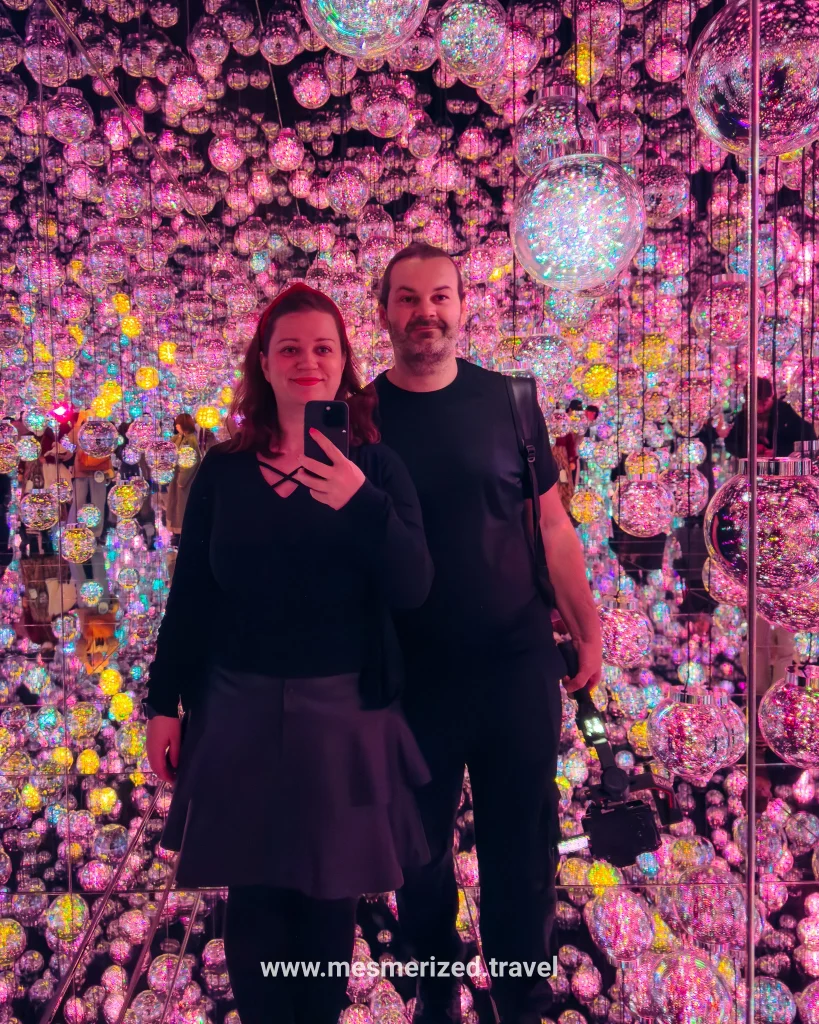
This place is truly one-of-a-kind, with rooms you might walk through like soft fields of light, digital koi ponds, even rooms that respond to your movement. Don’t skip it!
Where to Eat Nearby
- Shiba KOSO Honten – Upscale Wagyu tasting menu
- Tonkatsu Aoki Daimon – Affordable, tasty tonkatsu—we went back twice!
- Ramen Thank Daimon – Cozy ramen that’s satisfying and easy
Day 2: Asakusa’s Old Charm, a Kimono Tea Ceremony & Tokyo Skytree Views
We’re diving into a full day of tradition, local vibes, and grand views. Everything clusters around Asakusa and the base of Tokyo Skytree, so again – easy walking, compact and fun. Just wear comfy shoes and enjoy the pace.
Sensō‑ji Temple & Nakamise‑dōri Street
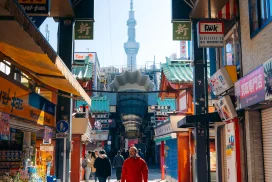
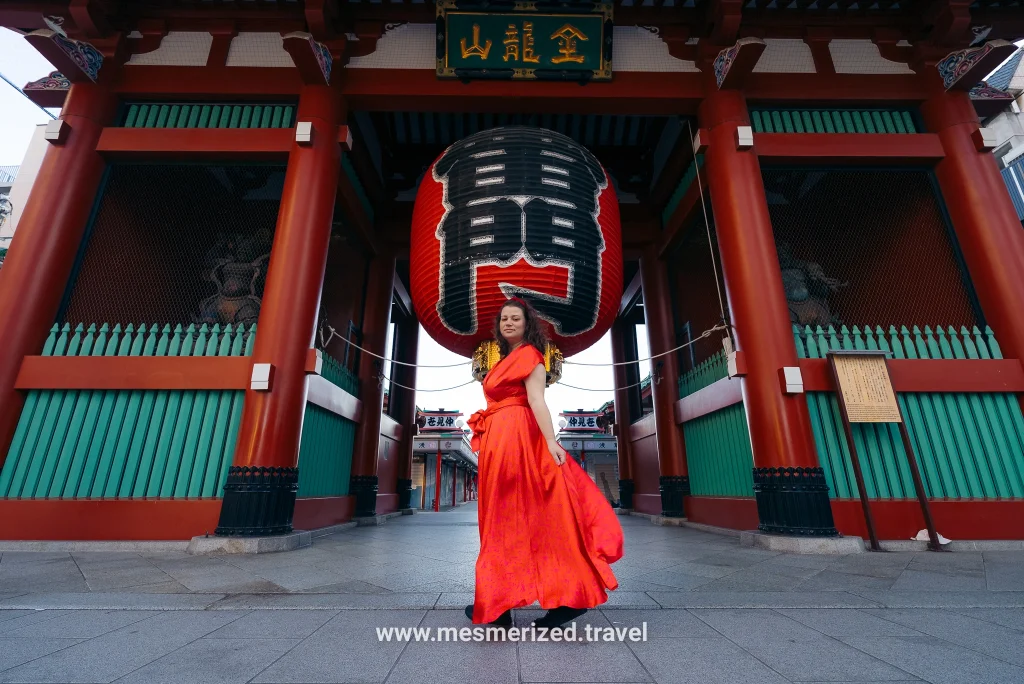
We visited Sensō‑ji Temple just after it opened – saved us from a crowd and gave us a quiet moment to soak in the atmosphere. Built in 645 AD and dedicated to Kannon, the goddess of mercy, this is Tokyo’s oldest temple. Passing through the Kaminarimon Gate (Thunder Gate) with its huge red lantern is iconic. A bit further in, the Hōzōmon Gateopens up to the inner temple and its treasure vaults. The temple stands for welcoming all visitors regardless of background, rooted in Buddhist tradition.
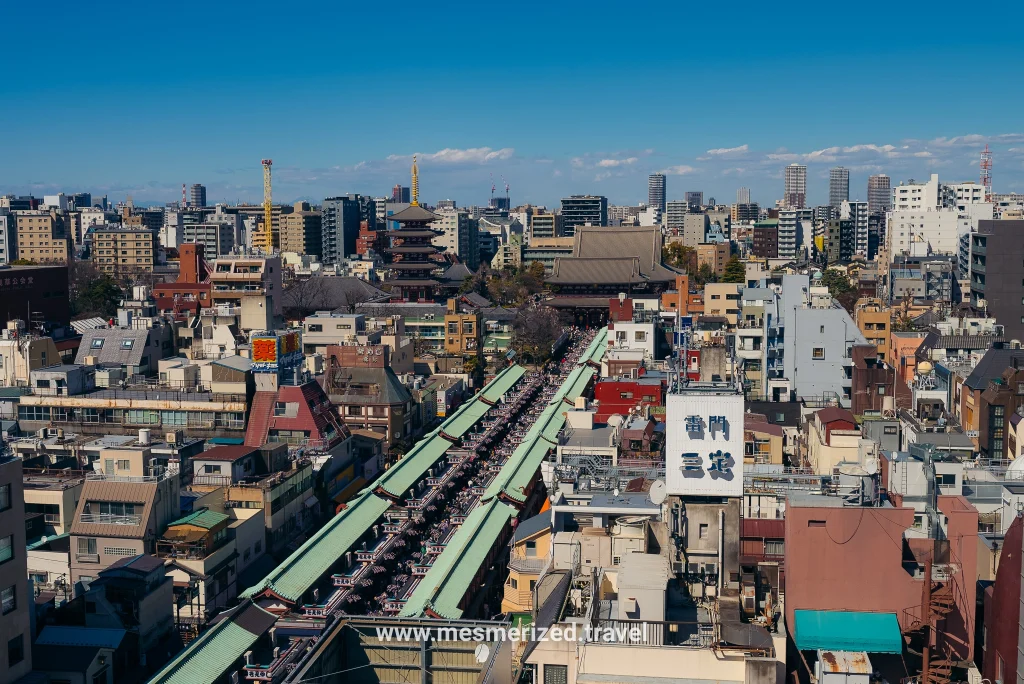
Right after the temple is Nakamise‑dōri Street – a narrow alley filled with traditional shops and snacks. Best to visit before 8 AM; after that it gets packed. You’ll find ningyō‑yaki (little doll-shaped cakes with red bean paste), sensu folding fans, wooden geta slippers, and cute festival masks – it’s vintage Tokyo in a nutshell.
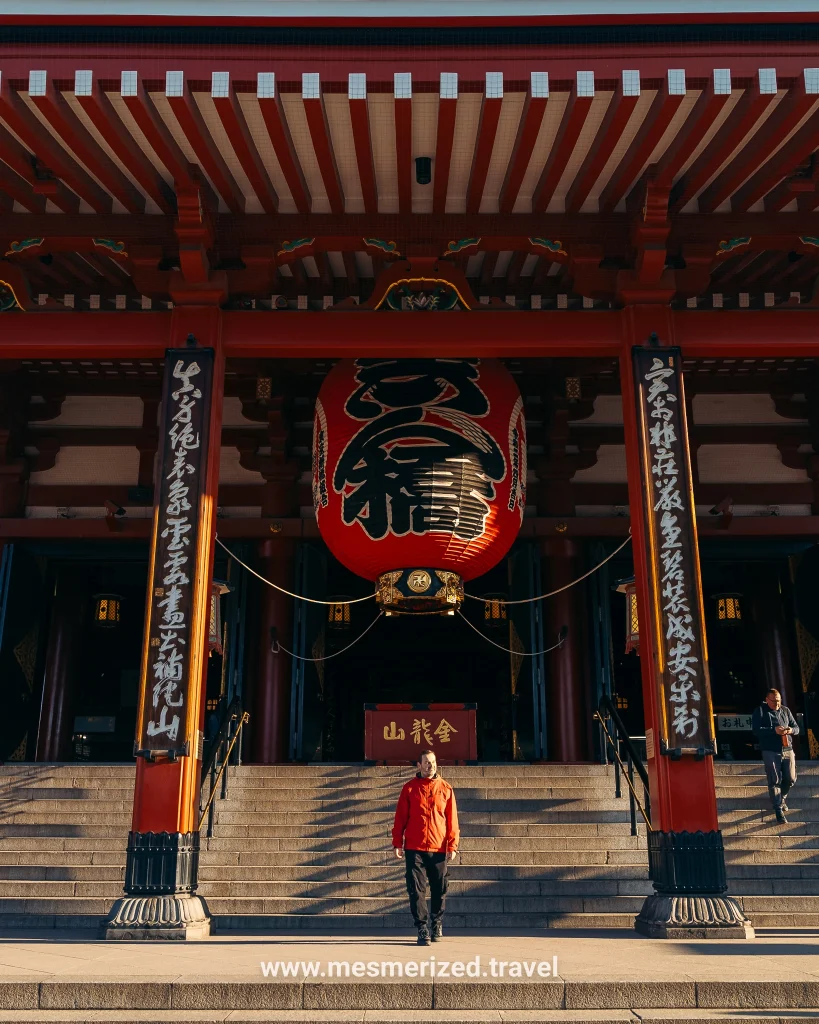
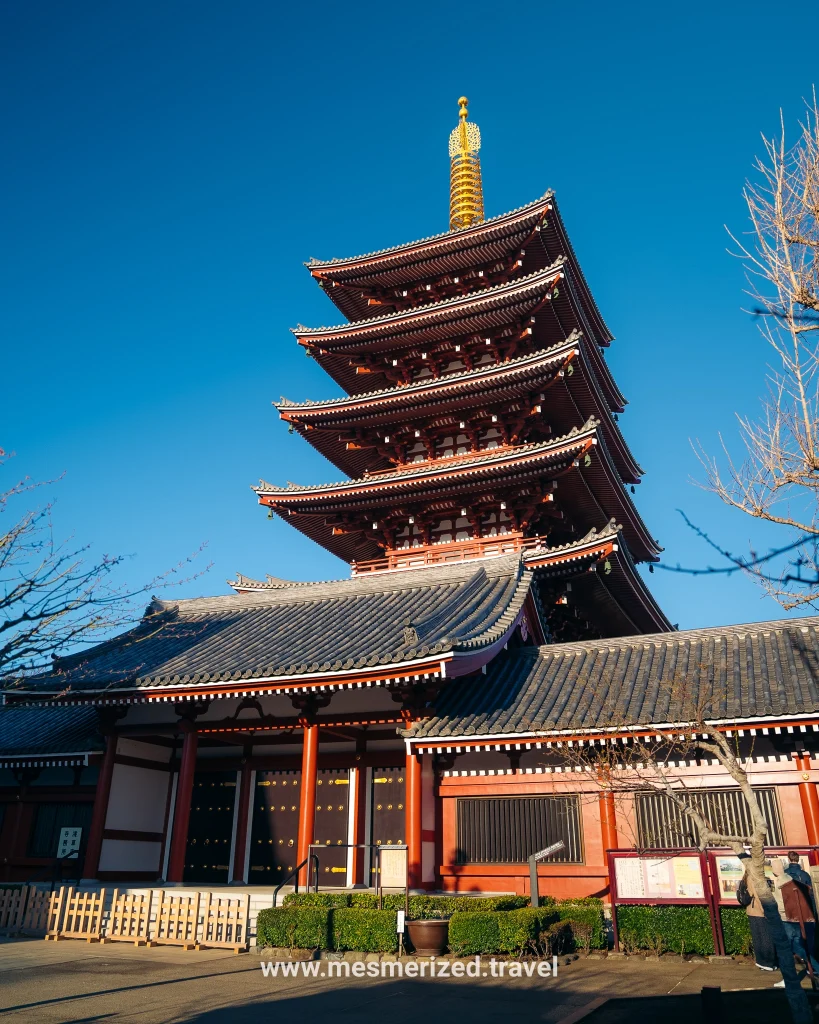
There’s a free observation deck at Asakusa Culture Tourist Information Center that gives you a great view over Nakamise-dori and Sensō-ji. Highly recommend stopping here, especially in the morning when the center is less busy.
Traditional Kimono & Tea Ceremony at Mai‑ko
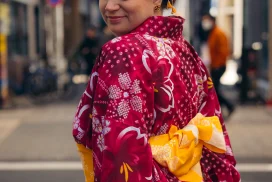
We booked a tea ceremony at Mai‑ko. First, they dress you in a traditional kimono, and then you join a tea ceremony where you learn how to whisk your own matcha and enjoy it with a traditional sweet.
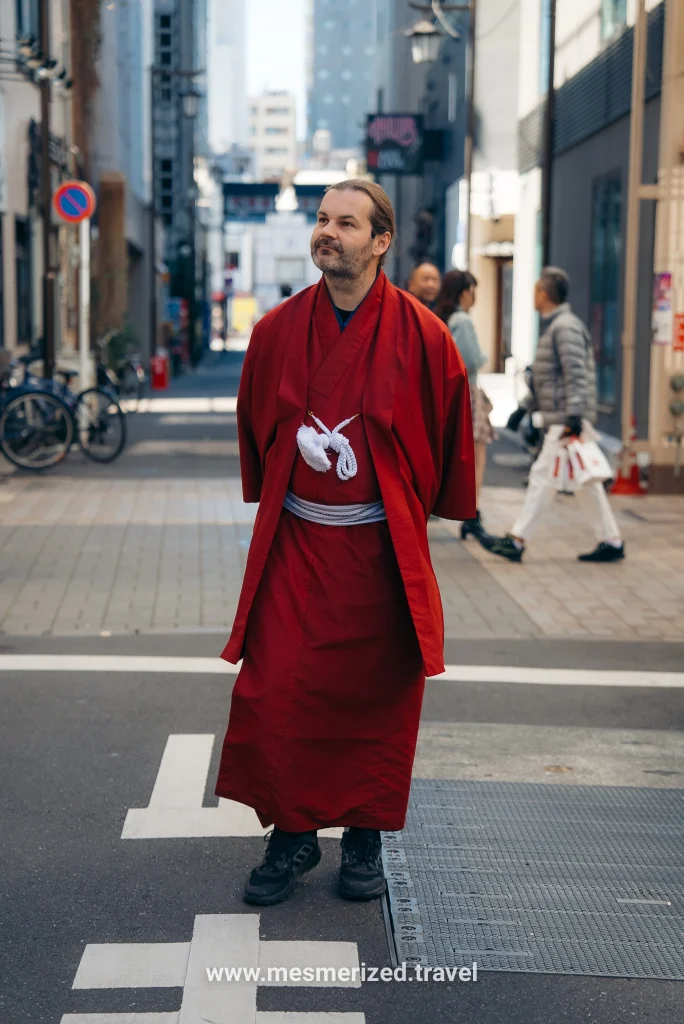
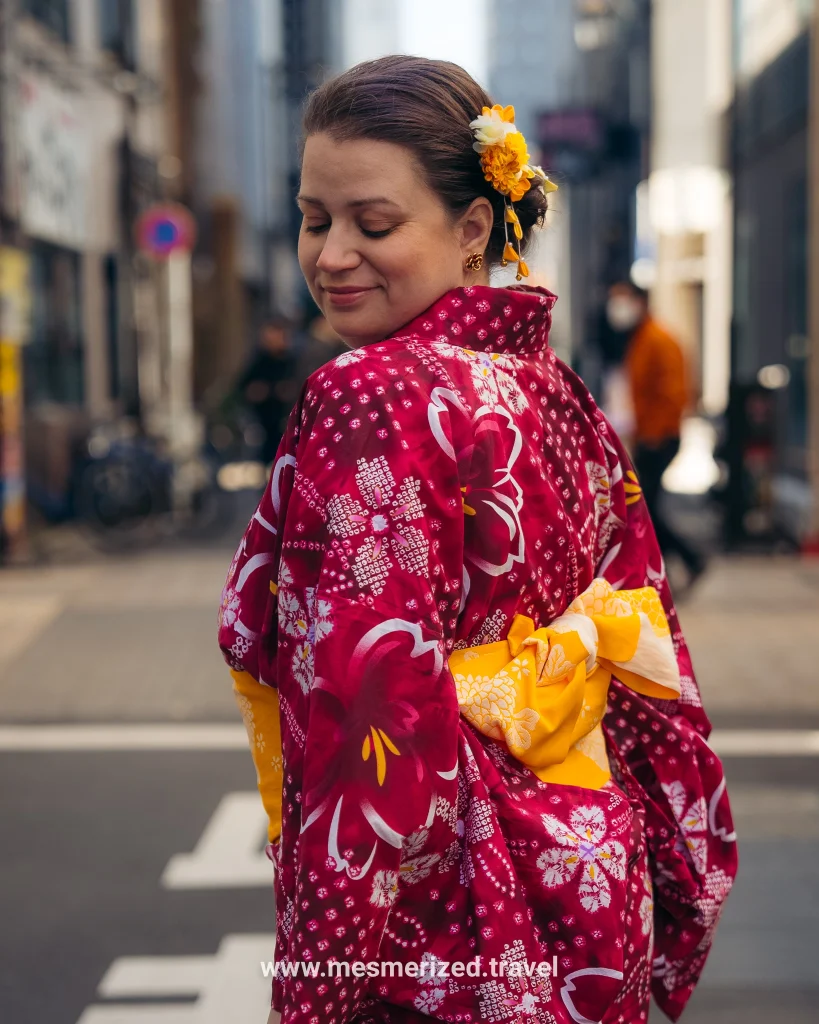
You can check out our Full experience with kimono and tea ceremony, where we’ve written everything about how it felt, what we learned, but here are a couple of photos to get the better idea what it is.
Sumida Park & Tobu Bridge
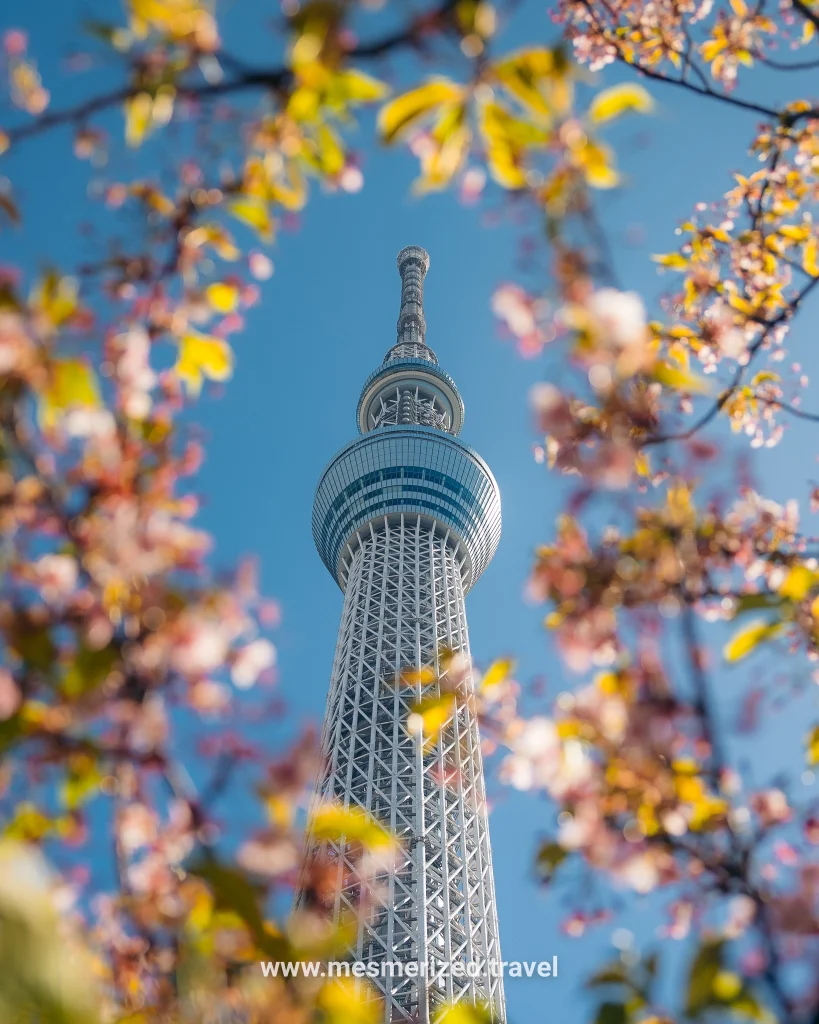
After tea, take a stroll to Sumida Park, which sits just beside Tokyo Skytree. This lesser-known park offers a peaceful view of the tower framed with seasonal blossoms or greenery, and it’s rarely crowded compared to other spots.
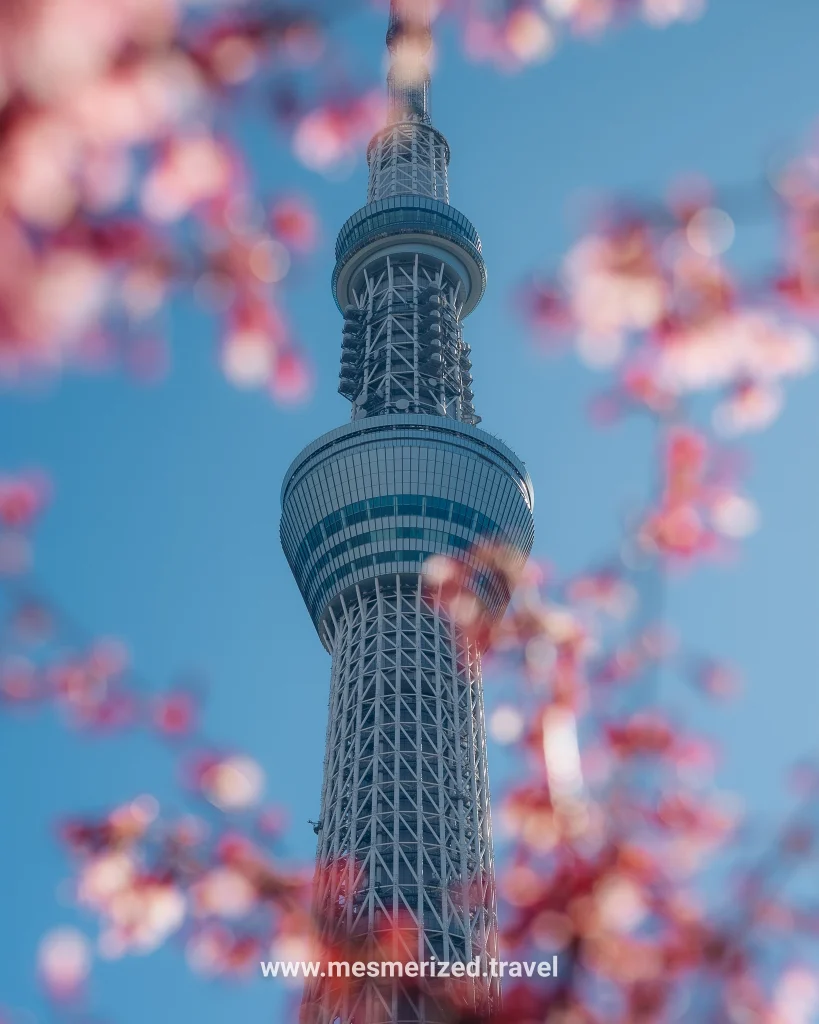
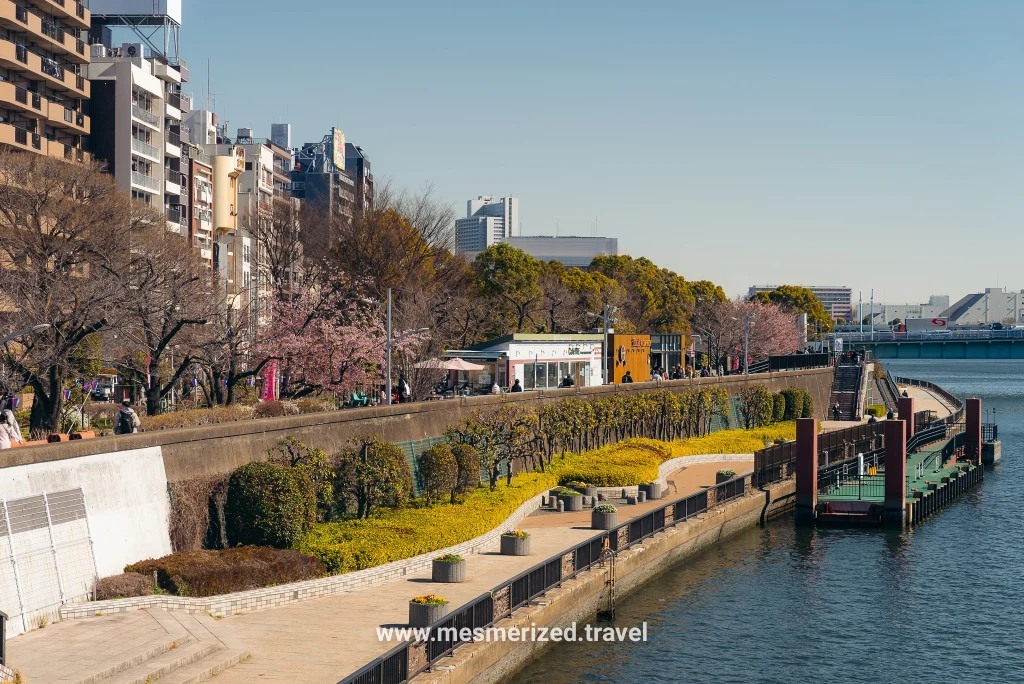
For a particularly unique view of Skytree with cherry blossoms (or just the cityscape), head to Tobu Bridge – it’s right beneath the tower and photo-worthy. The spot is small, so come early on a sunny weekday for best lighting and fewer photographers.
Tokyo Skytree
You’re now at the base of one of Tokyo’s tallest landmarks – Tokyo Skytree, standing tall at 634 meters and offering some of the best views in the city (on a clear day you might even see Mount Fuji).
Opened in 2012, Skytree also functions as a broadcasting tower, a shopping complex and aquarium. We didn’t book the climb in time (again!), so don’t be like us. You can book your ticket here.
Where to Eat Around Asakusa & Skytree
- Asakusa Menchi – crispy, savory meat patties we couldn’t resist
- Sekine – pillowy buns stuffed with juicy meat
- Benitsuru Pancake – melt-in-your-mouth souffle-style pancakes
- Pizzeria Osteria Capo – Italian when you want a break from Japanese
- Kobe Beef Daia – high-end Kobe beef if you’re splurging
- Cafe Capyba – yes, you can drink coffee and play with capybaras here. Just reserve ahead—they fill up quickly
Day 3: Shrines, Sakura Views & Lantern Alley Nights
Today is all about slowing down and seeing the quieter, more peaceful side of Tokyo. We’re visiting a shrine with a secret torii tunnel, taking a boat ride under the trees, and finding one of the best ramen bowls of the trip in a lantern-lit alley.
Hie Shrine
Located in central Tokyo, Hie Shrine is known for its impressive row of bright red torii gates – perfect for photos, especially early in the morning. The torii path is open 24/7, so if you can, go at sunrise.
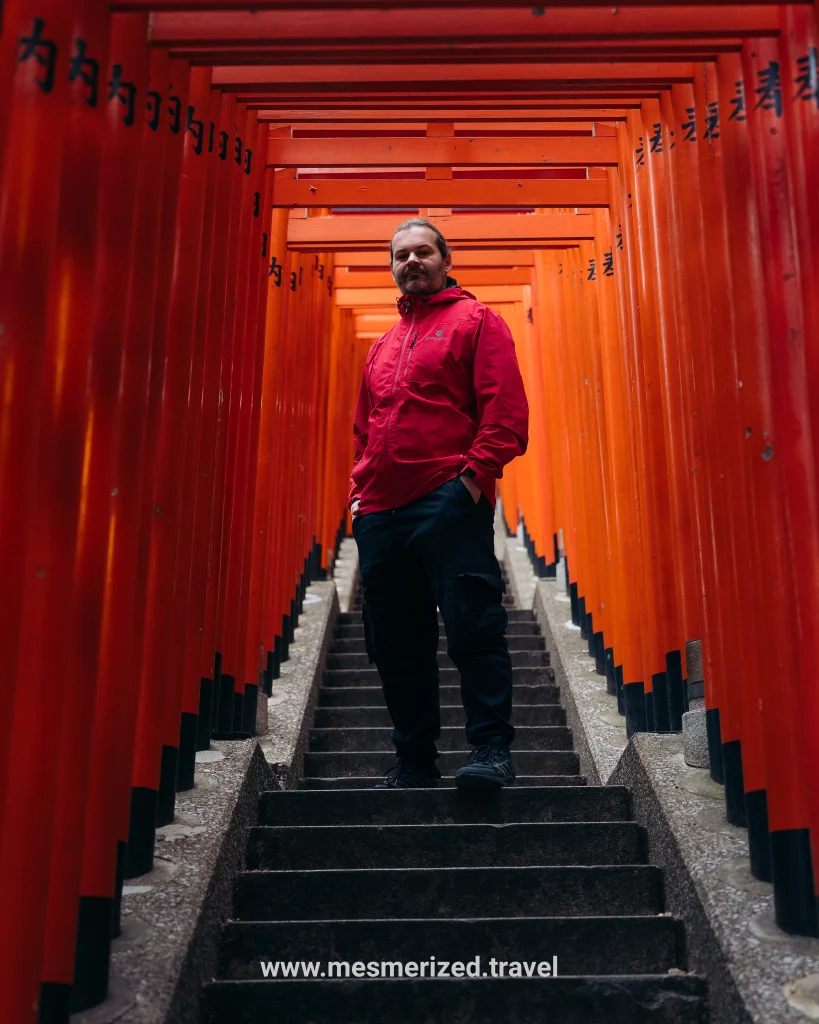
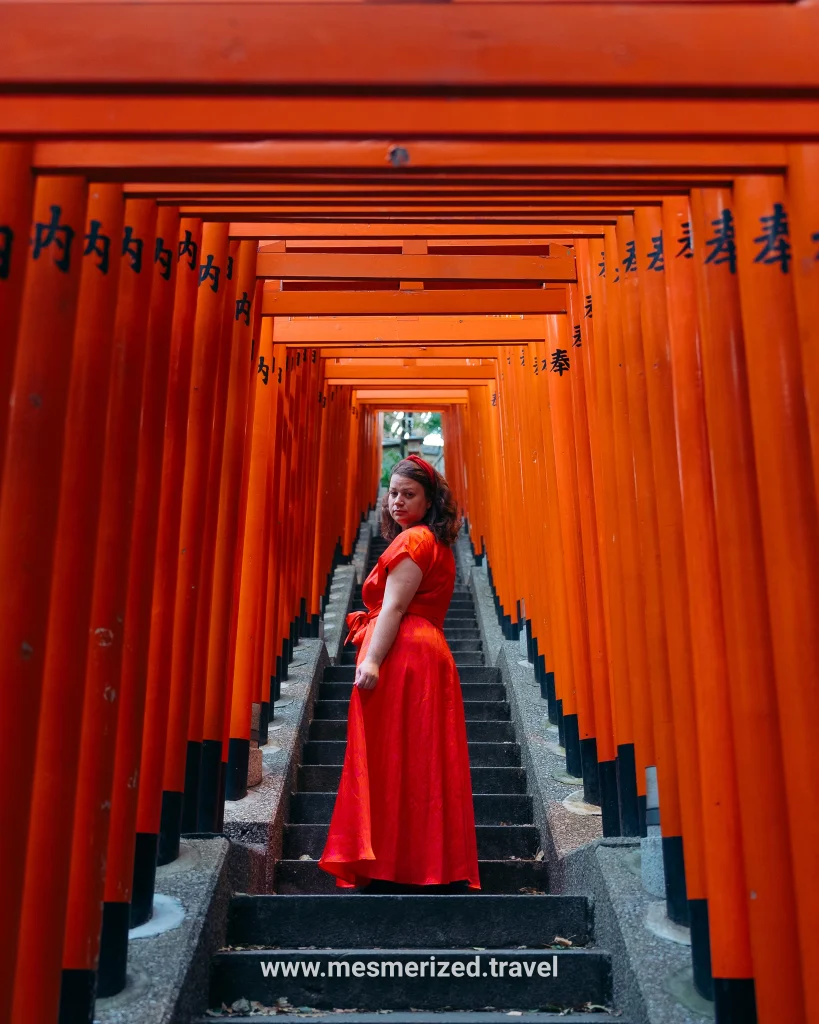
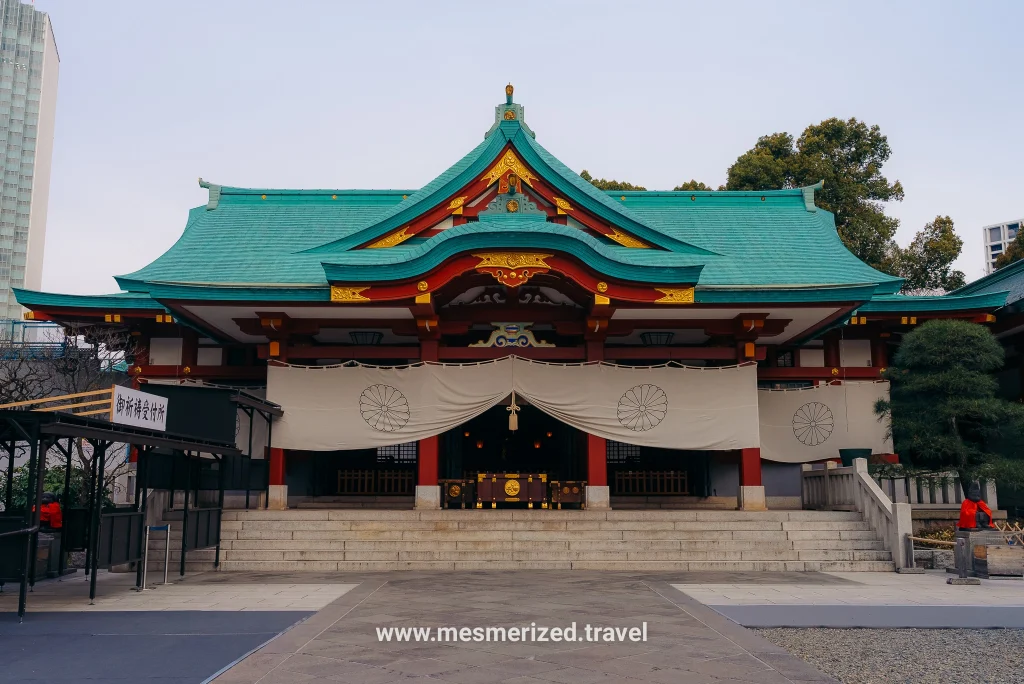
Hie is not just about the gates, though. It’s a peaceful shrine set amid lush gardens and traditional architecture. The quiet serenity you feel walking through it, that sense of being in your own little zen moments, something you really have to experience. Japanese temple gardens are thoughtfully designed to make you feel calm and at peace.
Chidorigafuchi Park
Chidorigafuchi is a beautiful moat-side park near the Imperial Palace, and rentals boats are very popular during cherry blossom season. Arrive at least 30 minutes before the boats open, you can fit three adults in one, and trust me, the view from the water is priceless, and it is a lovely thing to do.
Even outside sakura season, the park is stunning. In summer, you’ll see lights or floating lanterns at night; in autumn, the foliage is fiery red and gold. It’s a peaceful place to drift along and just relax.
Imperial Palace
Tucked right in the center of Tokyo, the Imperial Palace feels like a secret the city’s been keeping. It’s the home of Japan’s Imperial Family today, but its story goes way back, it was built on the remains of Edo Castle, which served as the seat of power for the Tokugawa shogunate starting in the 1600s.
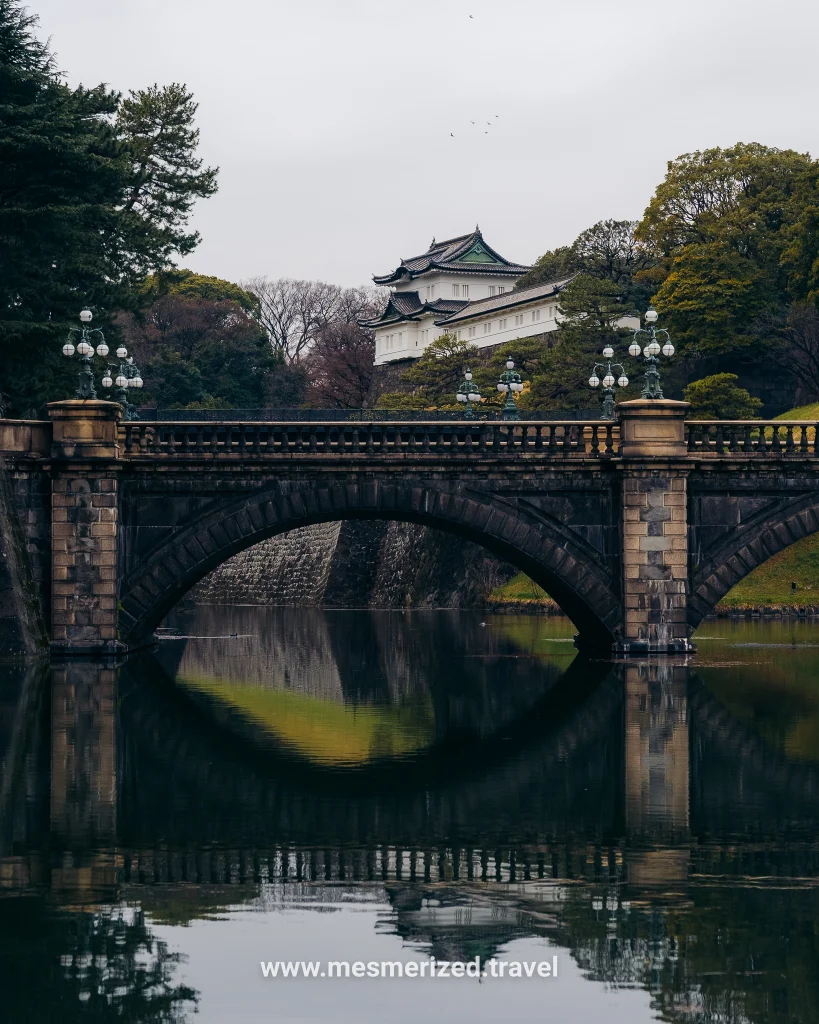
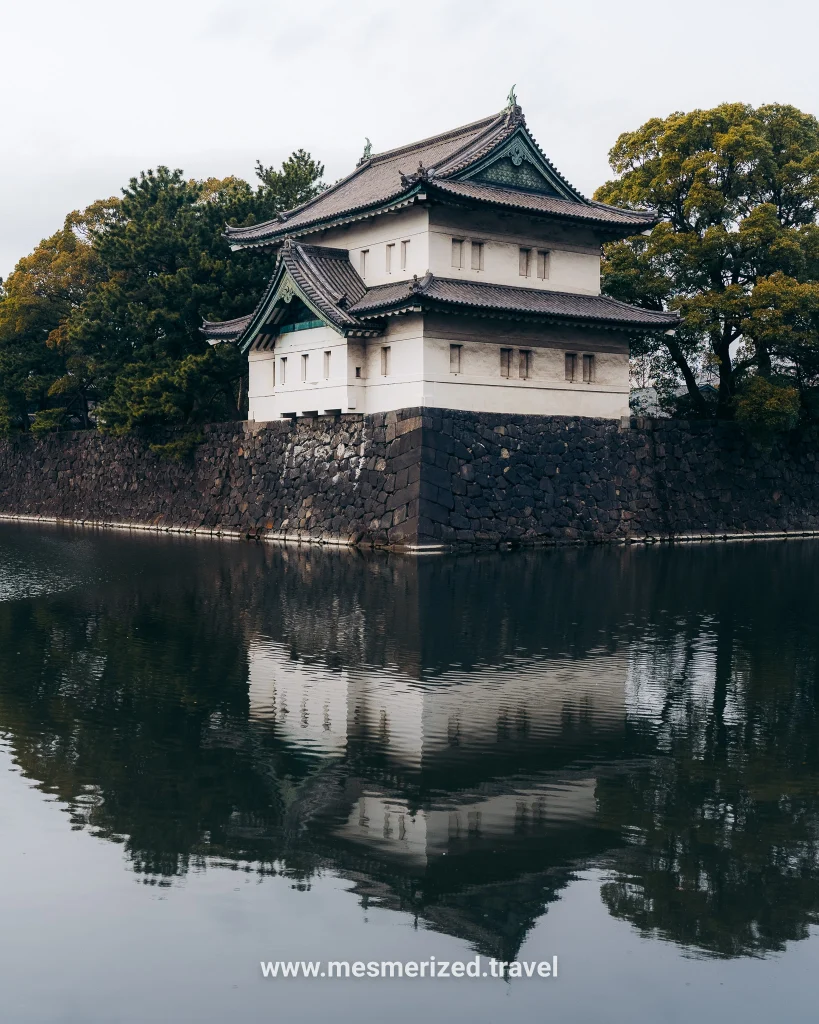
You can’t go into the actual palace unless you’re on an official tour (or, you know, royalty), but walking around the outer gardens and moats is honestly just as special. You’ll pass towering stone walls, ancient gates, and peaceful water views that haven’t changed much in centuries.
What makes this place really stand out is how quiet it feels, even though you’re right in the middle of one of the busiest cities in the world. The paths are wide, the trees are perfectly shaped, and the city skyline peeks out in the distance, history and modern life all layered in one place.
Yurakucho Alley
Yurakucho Alley is a tight row of cozy Japanese restaurants under the Yurakucho subway line, lit by warm lanterns. It’s not well known among tourists, making it a cool spot for both dinner and street photography. It can be tricky to find, but if you follow this exact map link, you’ll walk right into it.
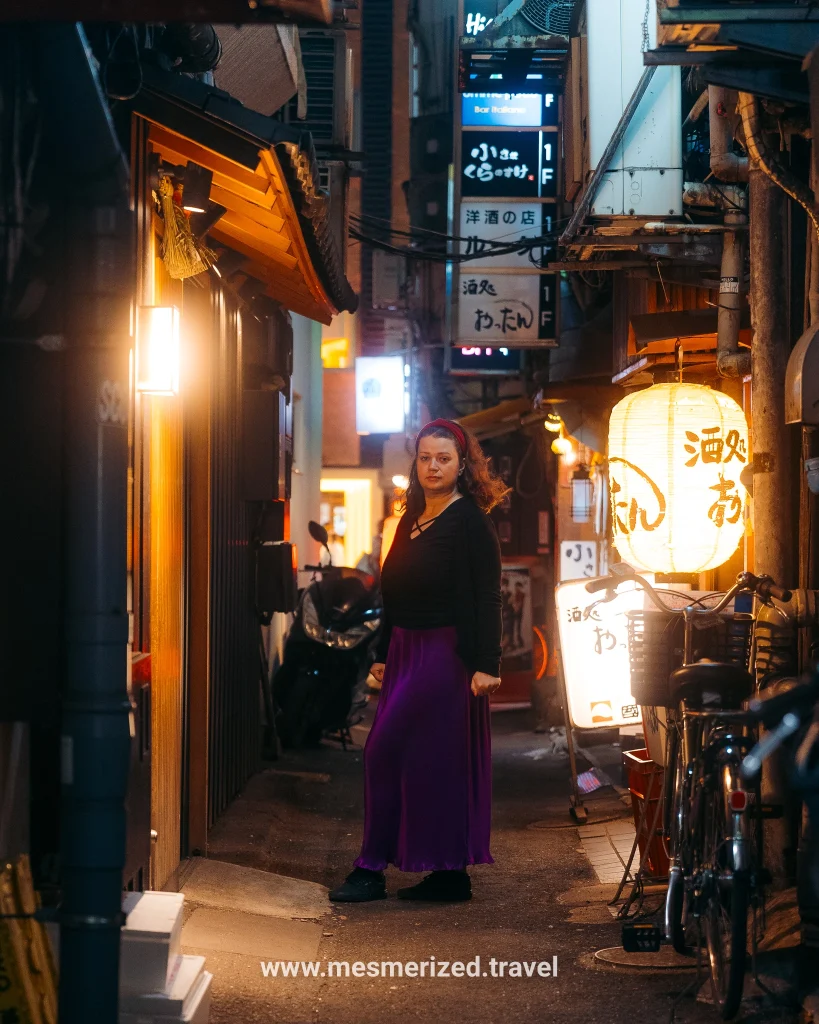
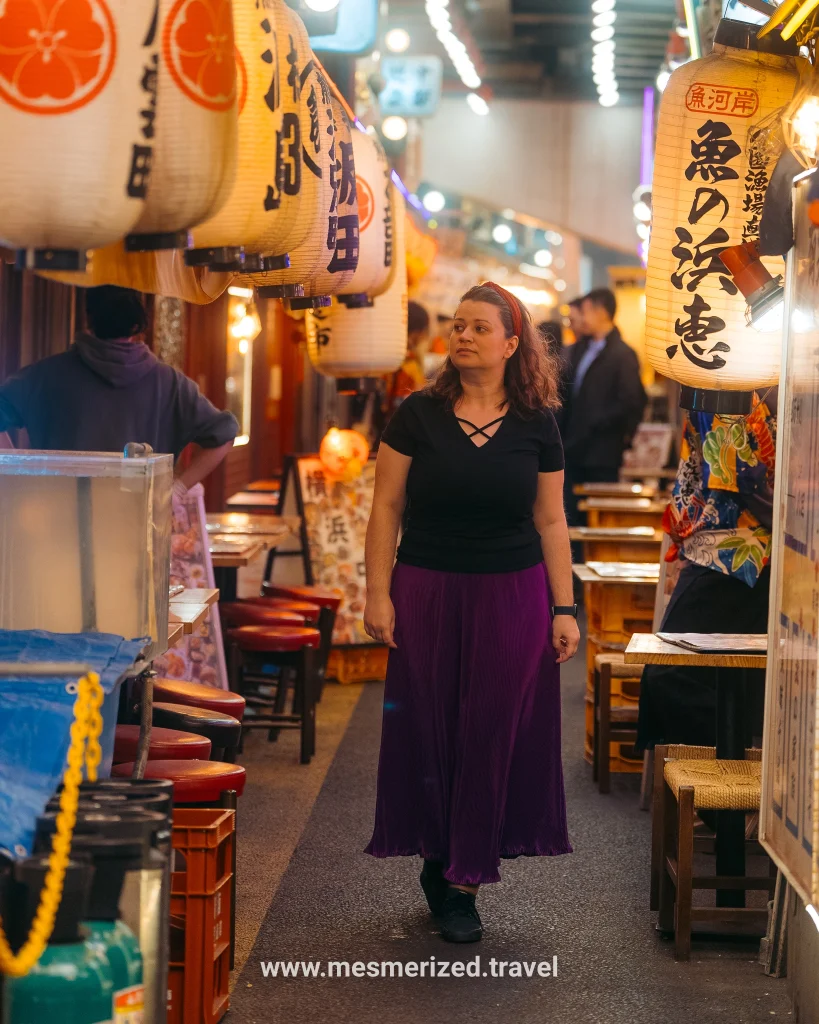
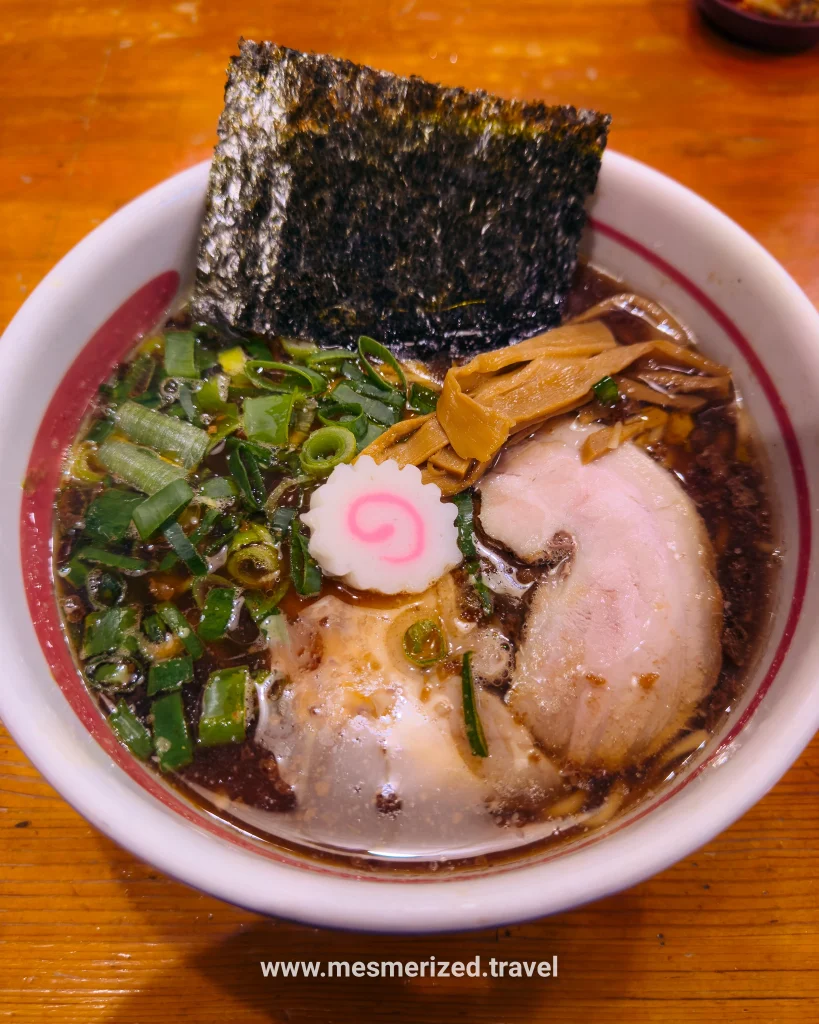
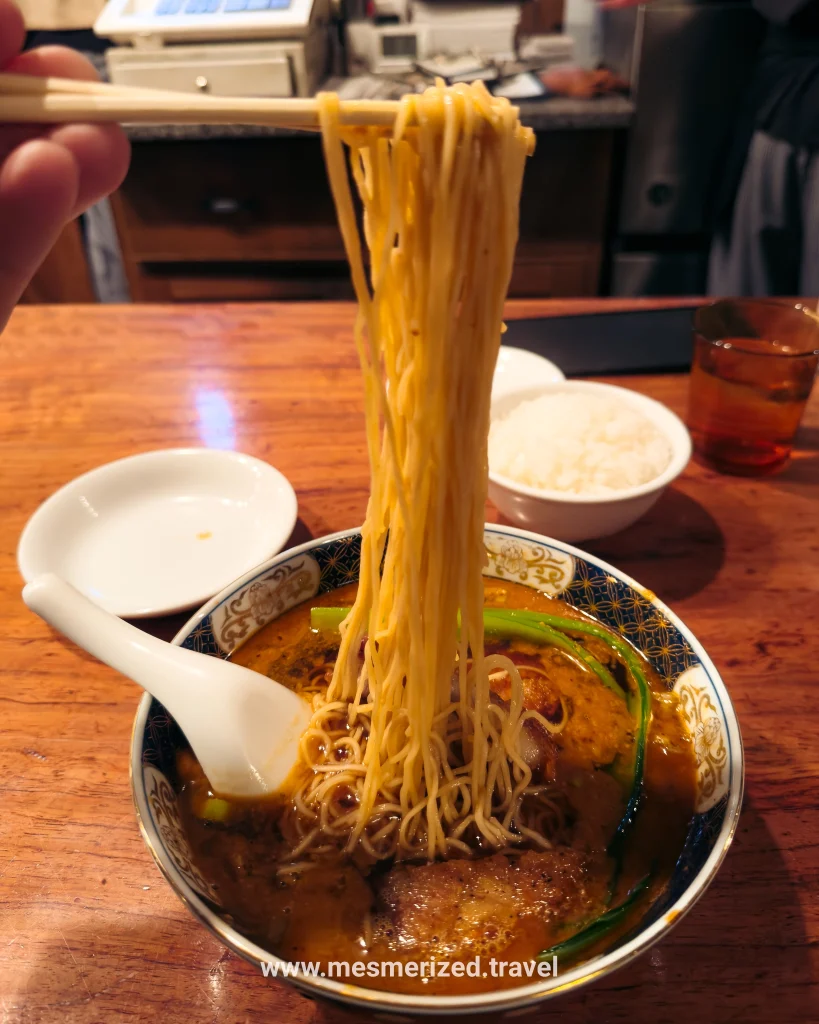
Get there before 7pm to avoid the dinner rush. You’ll find ramen and kushiyaki (skewers), and just a couple streets over we found the ramen spot we loved so much we came back twice in five days we were in Tokyo: Hashigo Ginza Hon-ten.
Tsukiji Outer Market
Tsukiji Outer Market is open from 9 to 14. The smell of fresh seafood hits you immediately, it’s part of the experience, but maybe not for sandals or high heels. Wear closed-toe shoes.
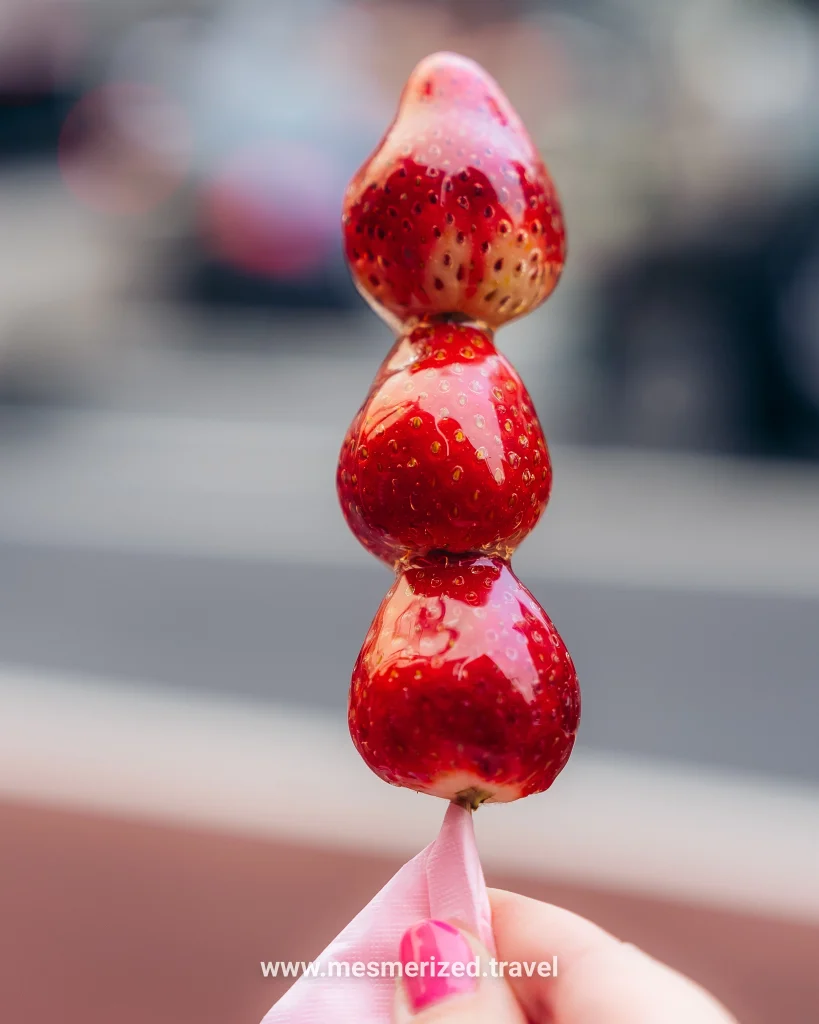

It’s not just fish here, there’s street snacks, fruit stalls, and even local surprises like we found indulging in strawberries. If you’re hungry, try tamago (sweet omelet), freshly grilled seafood, or fruit juices made from seasonal produce.
Ginza Station
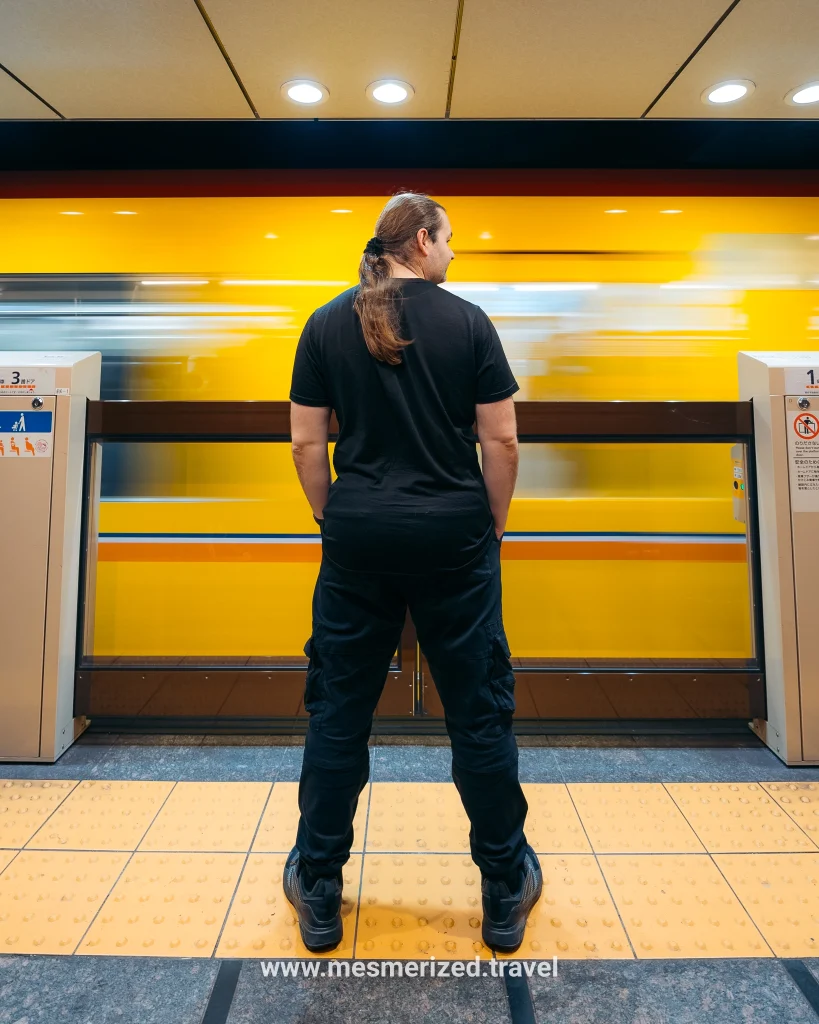
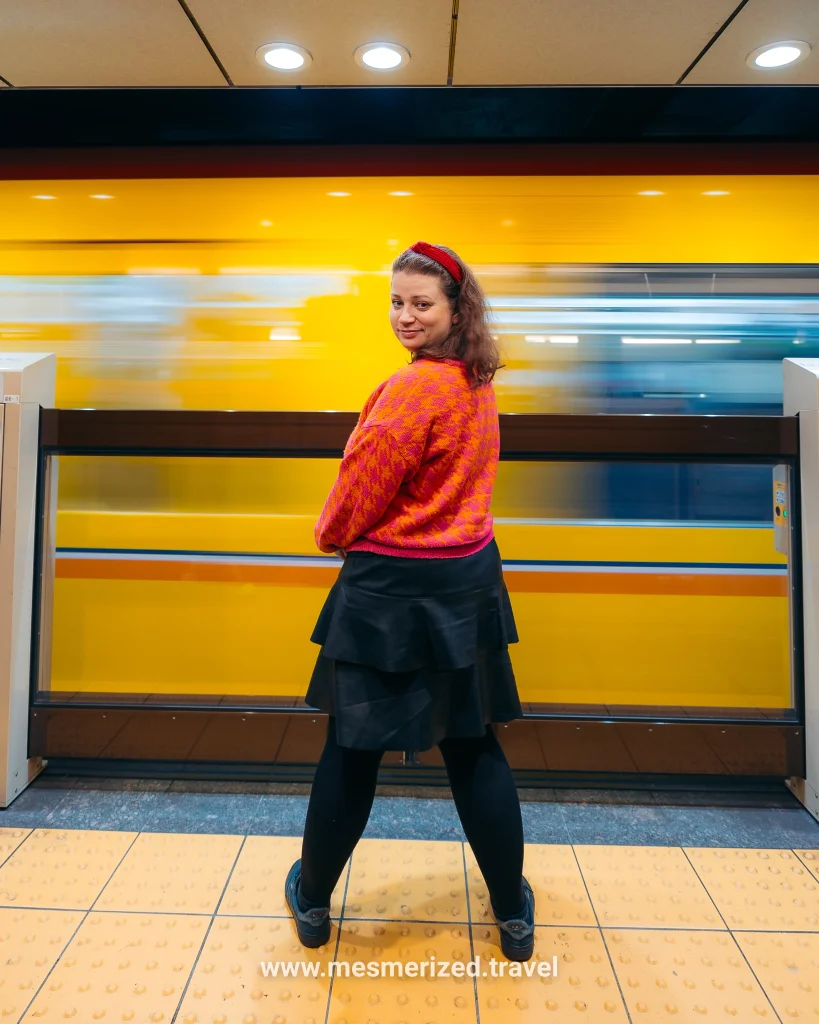
On your return, swing by Ginza Station. It’s painted bright yellow and stands out among Tokyo’s maze of color-coded metro lines. Each Tokyo metro line is a different color, making navigation easier! Ginza Station makes for a fun pop of color in your photos and shows a bit of Tokyo’s attention to detail, even in metro stations.
teamLab Planets
If you didn’t manage to grab tickets for teamLab Borderless, don’t worry – teamLab Planets is another immersive digital art experience, and it’s just across the river from Ginza. While you probably don’t need to do both (unless you’re obsessed, which honestly, we wouldn’t judge), Planets has its own vibe and is totally worth it.
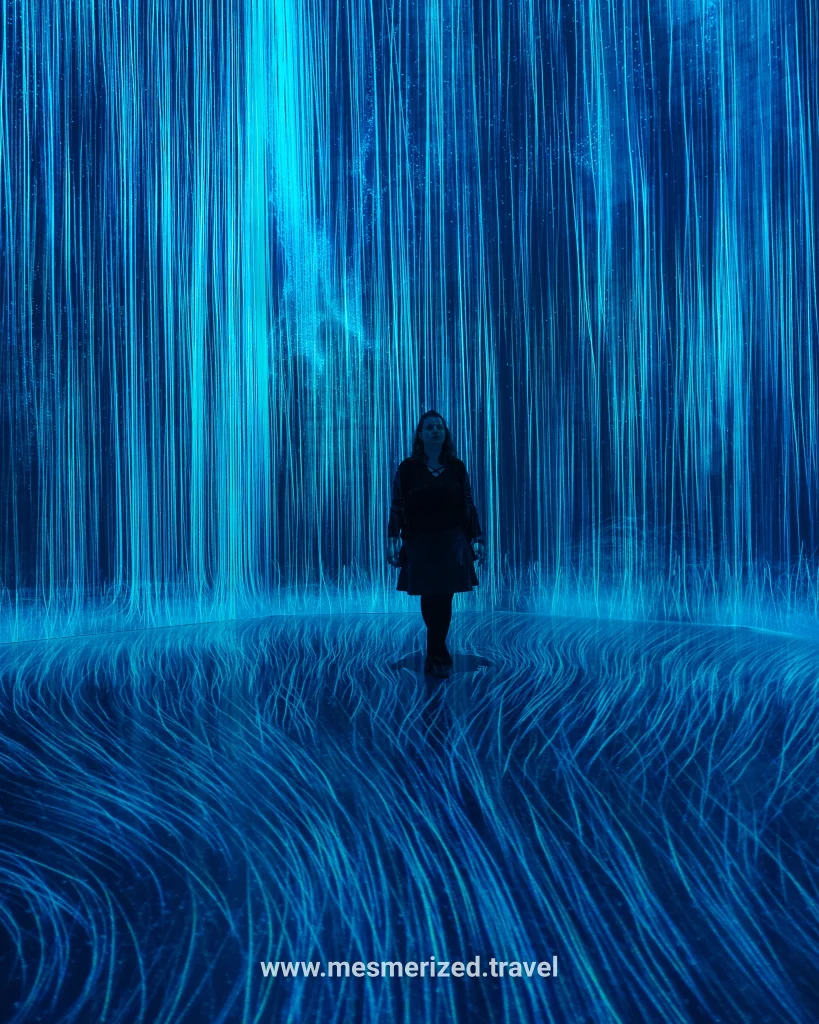
Here, the exhibits are designed around full-body immersion—you literally walk barefoot through water, float in a room of giant flowers, and lose your sense of space entirely in mirrored chambers. It’s less about wandering and more about being completely surrounded by art that responds to your presence.
Plan ahead: you’ll need to book your tickets online, especially during weekends or peak travel season.
Pro tip: wear pants you can roll up easily. You’ll thank us later.
Where to Eat in Ginza
- Hashigo Ginza Hon-ten – Best ramen ever!
- Ginza Hachigou – Michelin-starred ramen. Simple space, but the flavors are next level.
- Godaime Hanayama Udon Ginza – Hand-pulled udon noodles in a beautiful setting.
- Ginza Steak Ginza Honten – Wagyu tasting course. Definitely on the pricier side, but if you’re going to splurge, do it here.
- Pizzeria Bar Trico – Craving a break from Japanese food? This place serves wood-fired pizzas that hit the spot.
- Sushi no Midori – Popular sushi chain known for fresh fish and reasonable prices.
Day 4: Temples, Quirky Harajuku & Shibuya Chaos
Let’s head out, today’s mix of weirdly wonderful temples, trendy streets, and organized chaos is exactly why we love Tokyo. Expect cats, fashion, serenity, and sensory overload. Comfy shoes once again, and maybe a few extra camera batteries.
Gotoku-ji Temple
A bit outside central Tokyo, but completely worth it. It’s just 5 minutes from Miyanosaka Station on the Tokyu Setagaya Line. If you like Japanese culture and cats, this place is magical – the original home of the maneki-neko. Thousands of cat figurines fill the temple grounds.
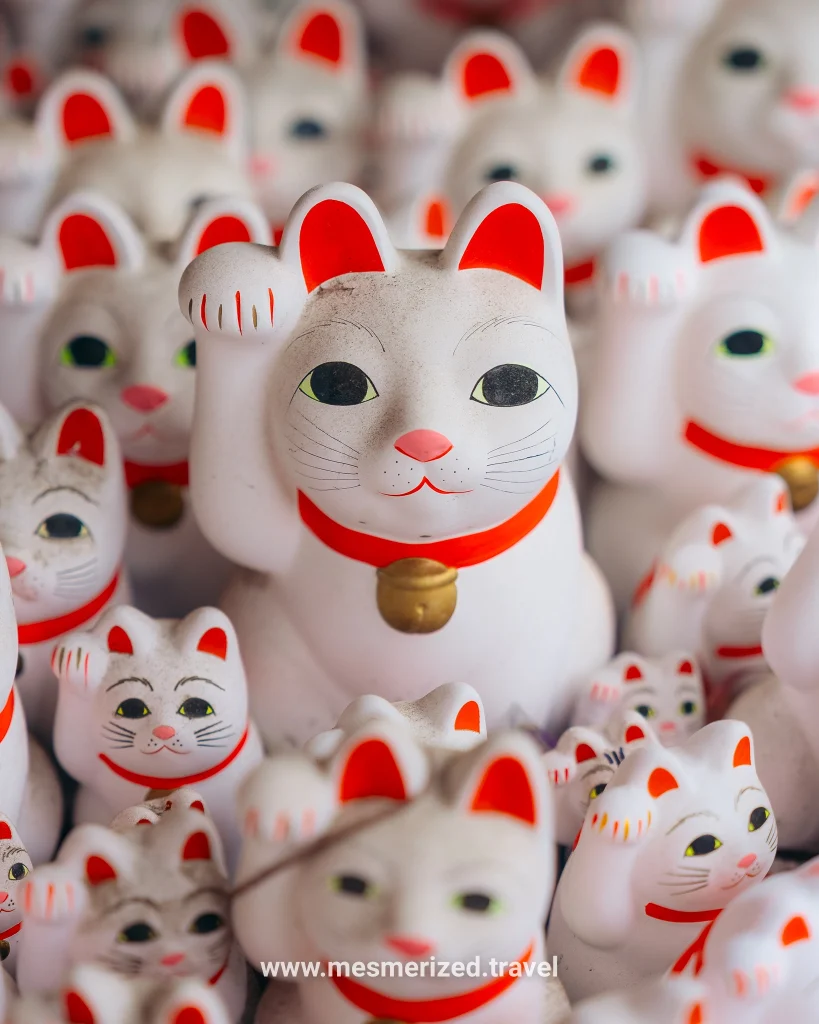
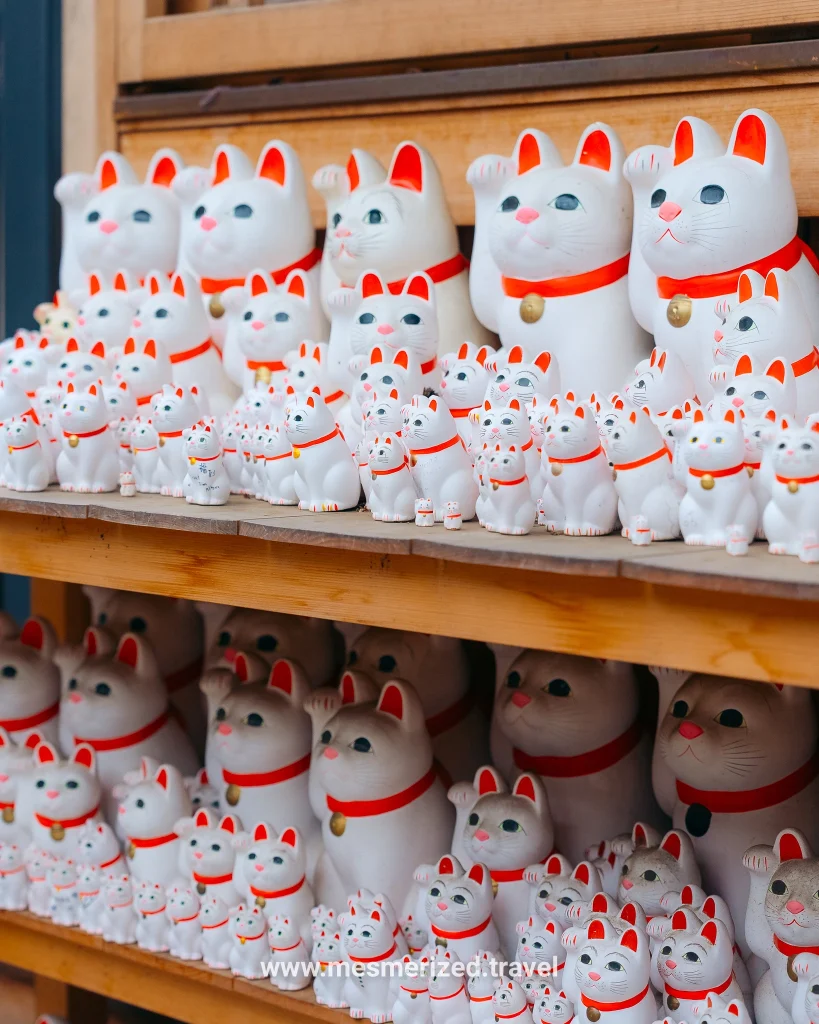
Need gift ideas? Check our Best Souvenirs in Japan blog for great finds.
Beyond the cuteness, this temple is peaceful. The gardens invite slow walks and quiet reflection amidst traditional architecture and greenery.
Harajuku
This neighborhood is loud, colorful, and 100% fun. Takeshita Street is the epicenter—lines of shops selling everything from kawaii accessories to vintage fashion. It’s perfect for people-watching and discovering quirky style. Sunday is the day that you can spot famous Harajuku girls.
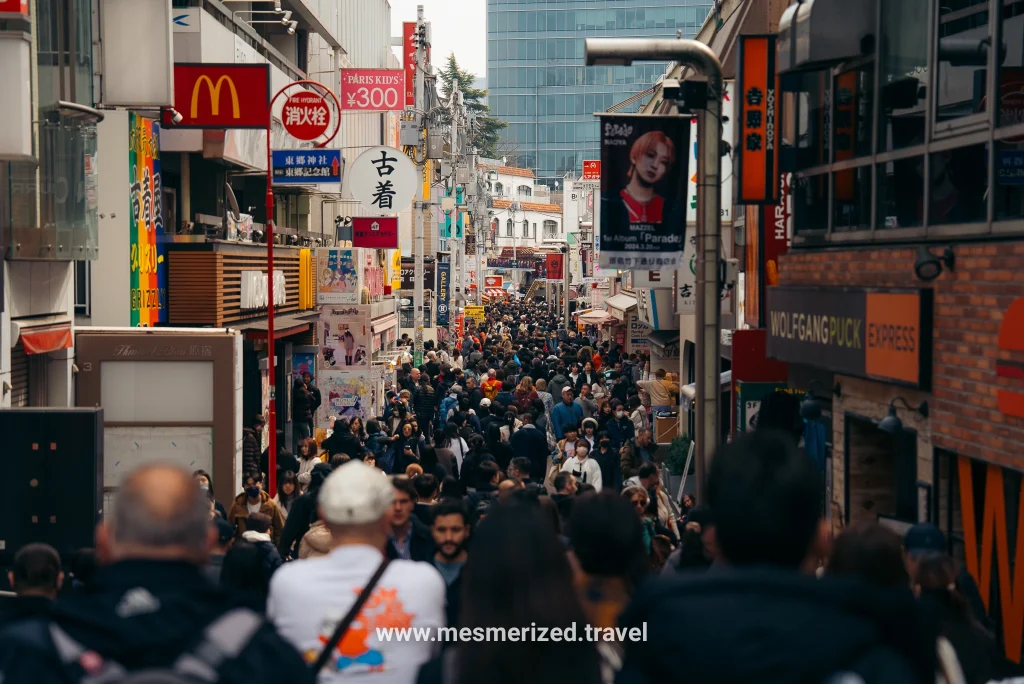
Walking through the crowd can be tiring, so here are food picks that really hit the spot:
- GOKU BURGER – quality burger with gloves so you don’t ruin your hands. Totally worth it.
- Harajuku Gyozarou – best gyoza in town. Cozy, quick, and unforgettable.

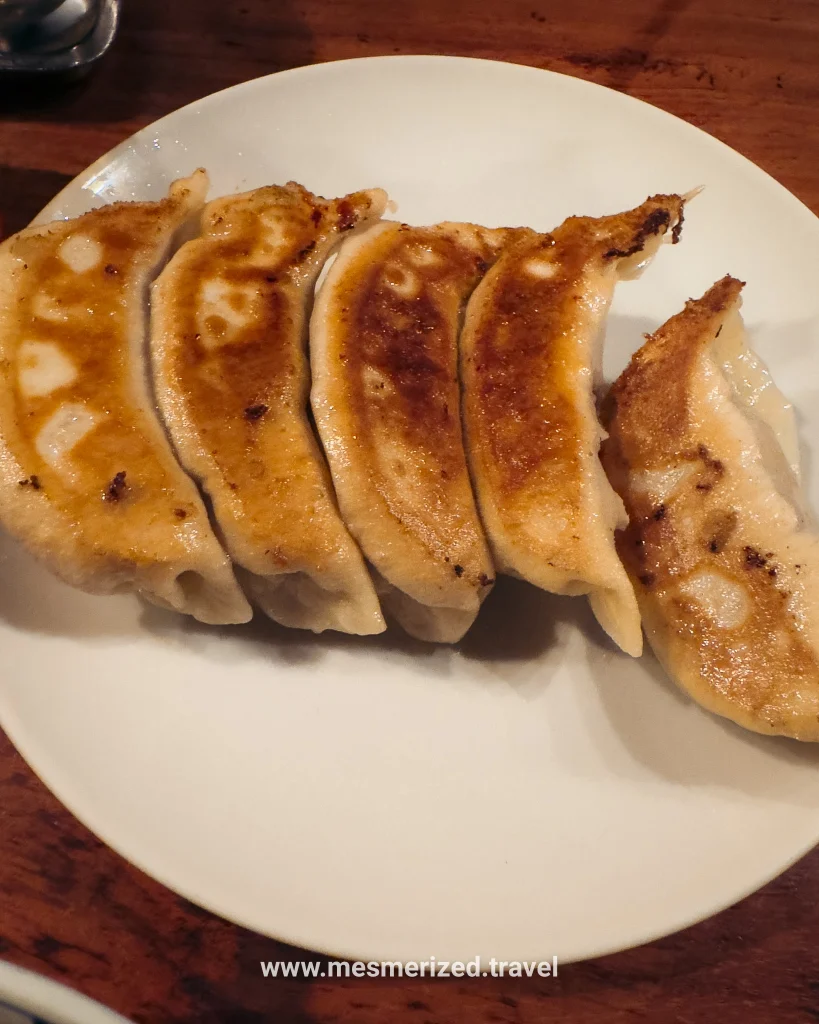
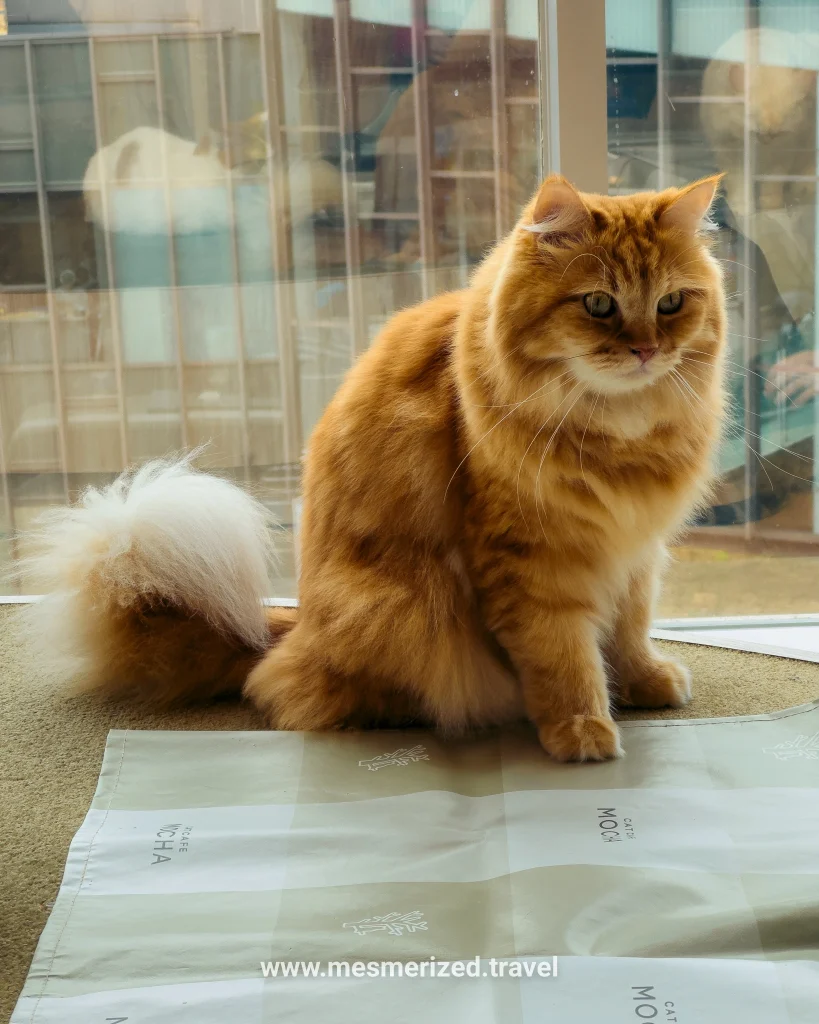
And while here, if you are a cat lover, do not miss Cat Cafe MOCHA Harajuku! They have over 20 cats and they take such good care for them. You have to book it online, as they fill up fast.

Sakurai Japanese Tea Experience
Located right in Harajuku, this is a refined tea tasting experience that’s surprisingly fun, even if you don’t normally go for green tea. We did the six-course tasting and it was beautifully done. The staff explains each tea’s origin and process and pairs them with traditional sweets.
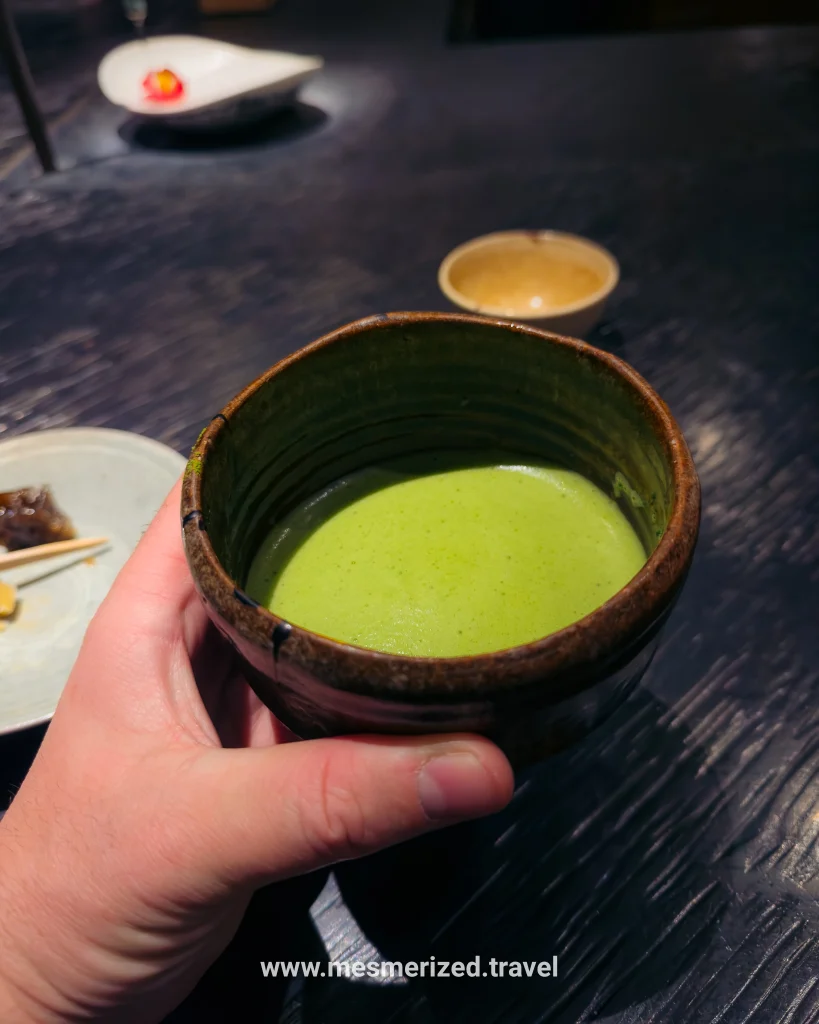
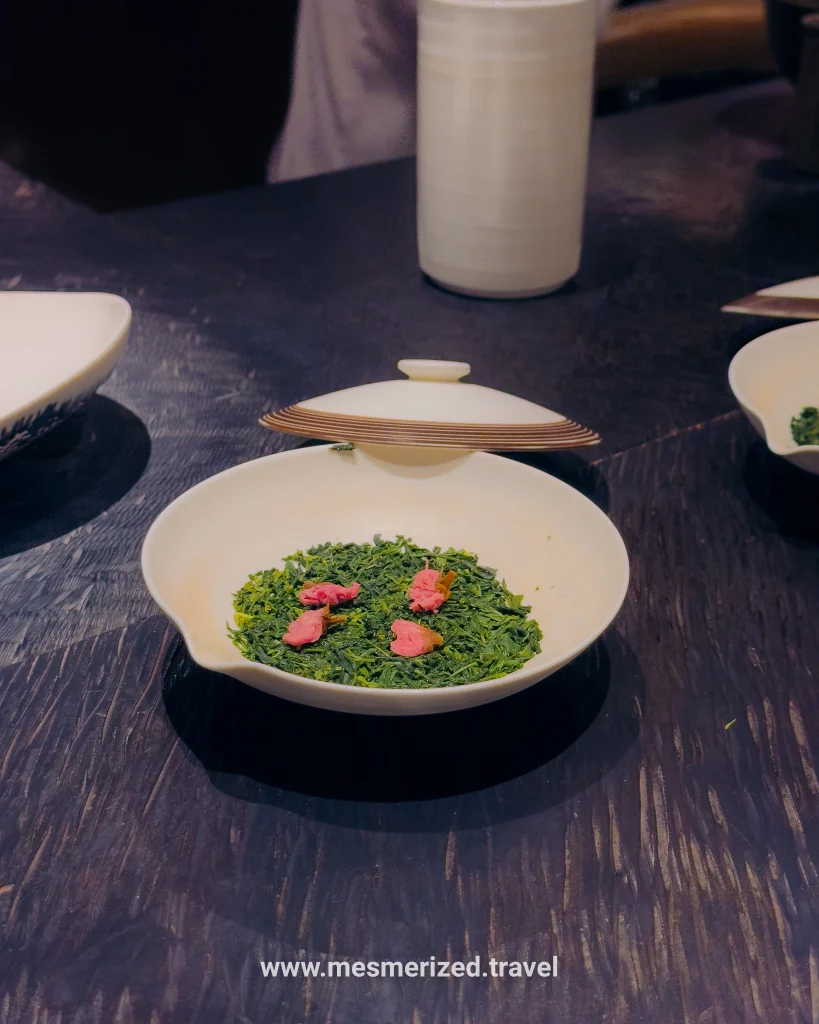
Make sure to book at least a week ahead through their official website. The reservation fee gets deducted from your final bill, and it’s worth every moment.
Meiji Jingu Shrine
After all that craziness, it’s time to calm and relax at Meiji Jingu. You enter through a towering wooden torii gate, immediately you feel calm.
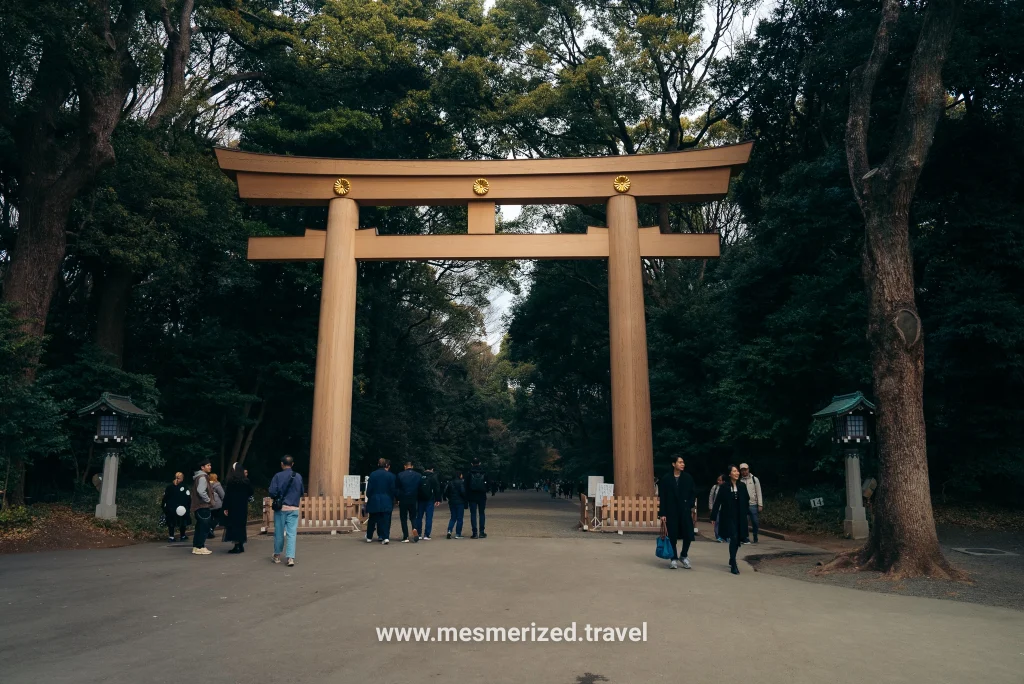
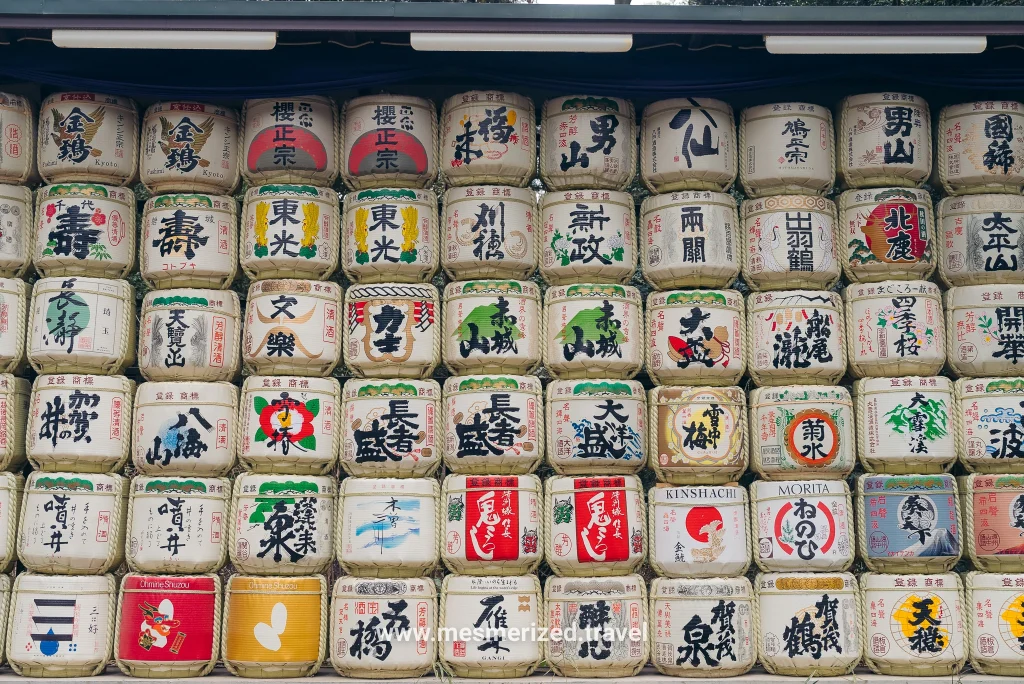
There’s a famous wooden bridge along the path and walls of sake barrels (kazaridaru) donated by breweries in honor of the emperor. It’s peaceful, spiritual, and free to enter. This shrine was built in the 1920s to honor Emperor Meiji and Empress Shōken, and strolling through it really lets you feel Tokyo’s quieter side.
Shibuya Scramble Crossing
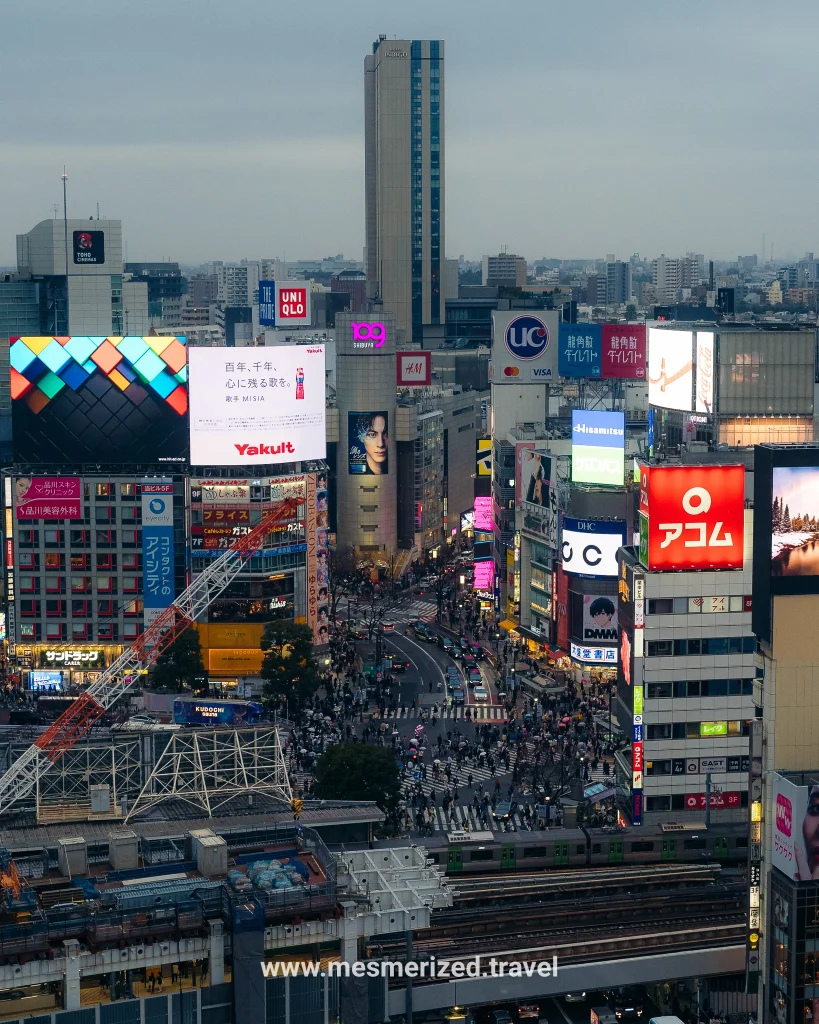
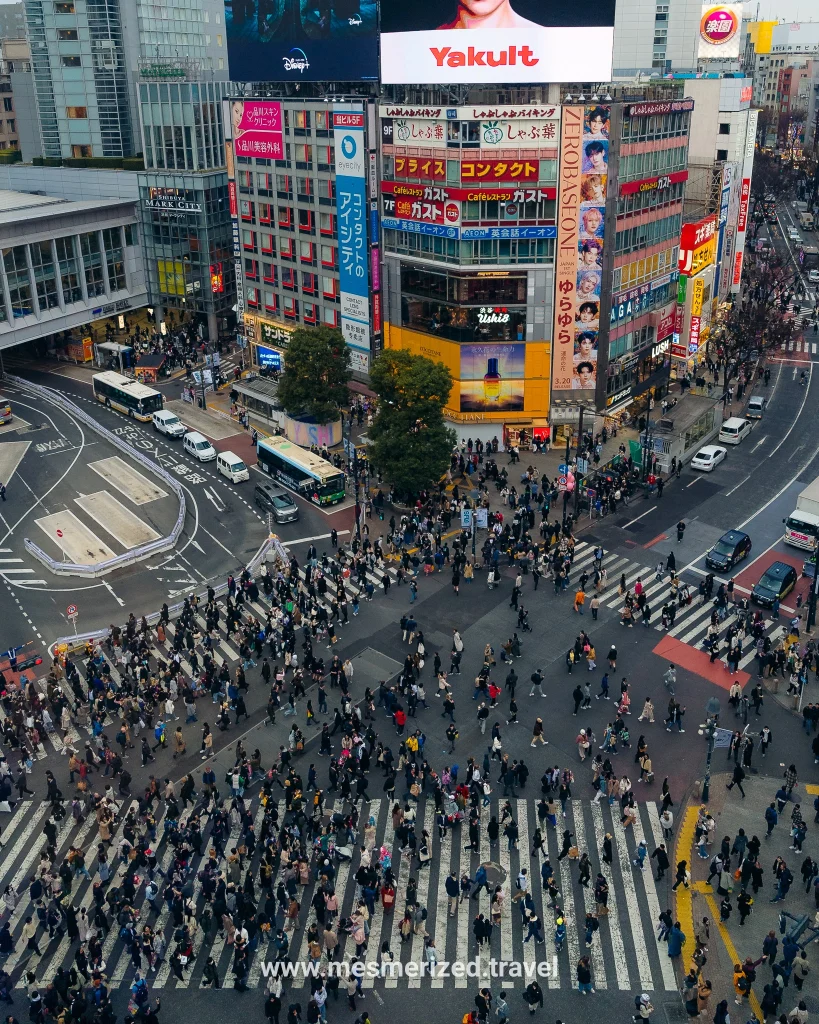
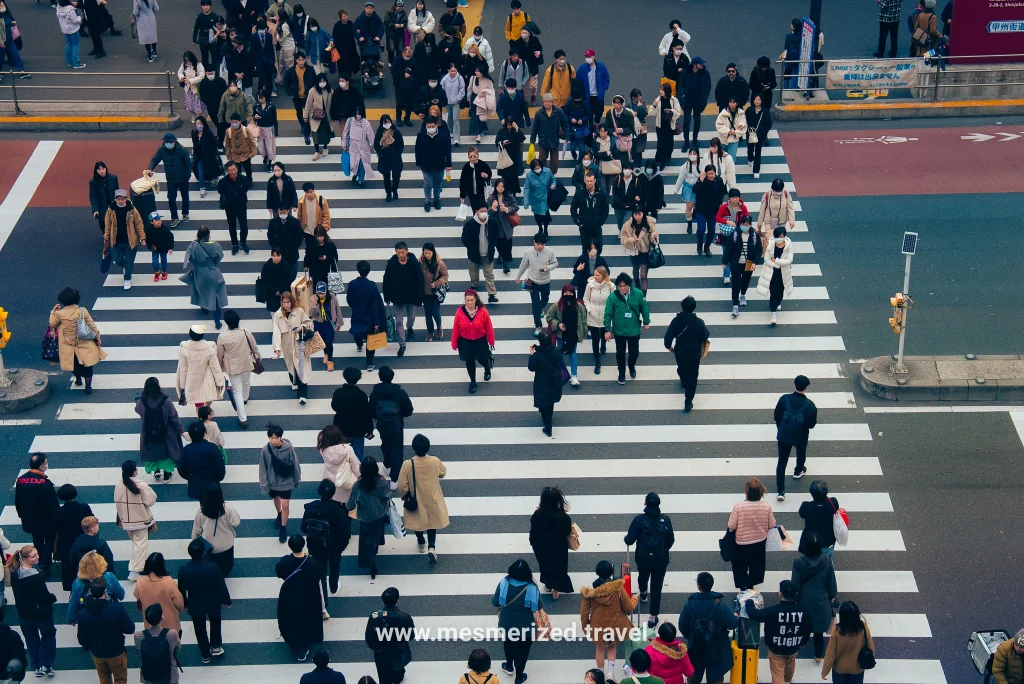
This is organized chaos at its finest. It’s said that up to 3,000 people cross at once when the lights turn green, an estimated 2.5 million people per day. It’s wild, but somehow it works. No bumping, no pushing, just a flow of humans that feels choreographed.
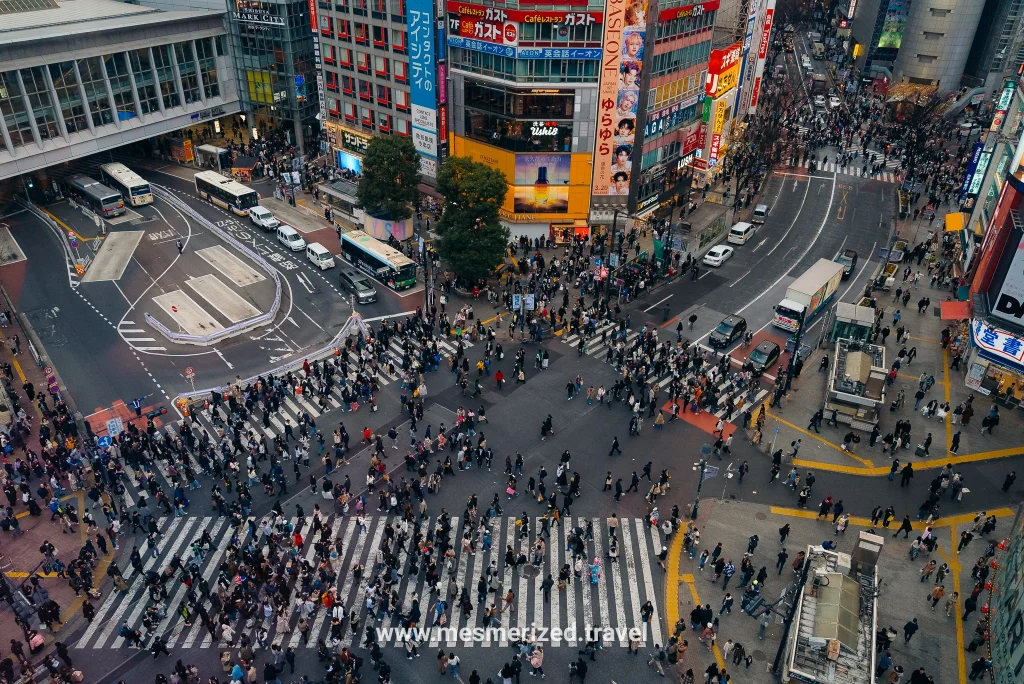
Crossing it at street level is exhilarating, but watching it from above is mind-blowing.
Best viewpoints:
- Starbucks in Tsutaya Building: Great view through giant windows. Grab a seat early, it’s popular.
- Magnet by Shibuya 109 rooftop: Direct view, but you’ll need to buy a drink. There’s also a photo spot with floor markings.
- Hikarie Building (11th floor): Free and less crowded. The view is a bit further back, but still gives you the full picture, especially cool at night when the billboards glow.
Shops in Shibuya to Check Out
Shibuya is full of quirky shops and hidden gems:
- Loft – quirky stationery, stickers, souvenirs.
- Shibuya Parco – Nintendo Store – exclusive gaming merch and collectibles.
Perfect for browsing or last-minute souvenirs.
Also, we saw a lot of Mario Karts around Shibuya and if you are a Super Mario fan, you can drive it around Tokyo too!
Where to Eat: Harajuku & Shibuya
Harajuku
- GODIVA Laboratory Harajuku – Chocolate banana pancakes worth the search.
- Harajuku Gyozarou – Cozy gyoza place with amazing flavor.
- GOKU BURGER – Quality burgers and fun gloves included.
- Cafe Chairo – Beautiful sweets and pastel vibes.
Shibuya
- Flipper’s Shibuya – Airy pancakes that melt in your mouth.
- HACHI – Best steak experience we’ve had in our life! What a treat to have happened upon such an unassuming place, almost secret place. Order the A5 Wagyu set and thank us later!
- Pork Vindaloo Taberu Fuku-Daitoryo – Excellent Japanese curry in intense flavors.
- Hirokiya Shibuya – Great wagyu courses priced well.
- Nikuya Yokocho Udagawacho – All-you-can-eat yakiniku (grilled meat) if you’re hungry.
Day 5: Shinjuku – Organized Chaos & Quiet Corners
Today we’re diving into Shinjuku. It’s bold, neon-lit, packed with energy—and somehow never boring. Here’s how to get the most out of it.
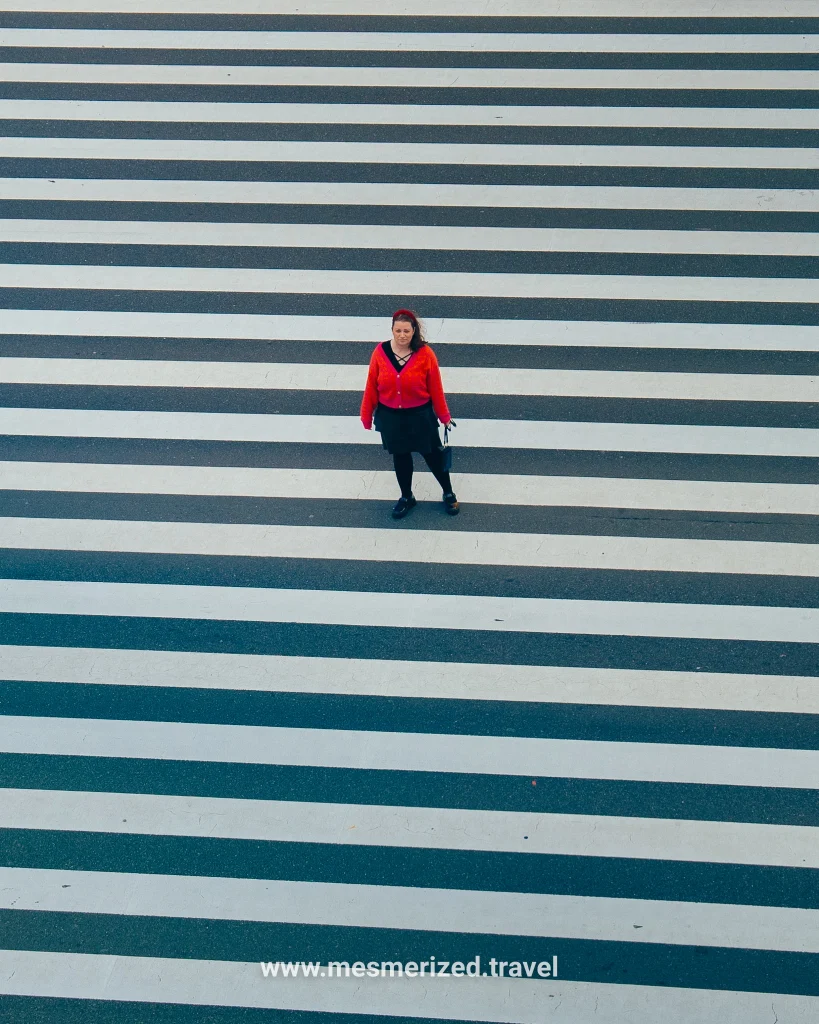
Shinjuku Expressway Bus Terminal Zebra Crossing
This zebra crossing outside the station sees roughly 3 million people cross each day. It’s a street photographer’s dream for a clean, top-down perspective. Head up to the third or fourth floor of the Shinjuku Expressway Bus Terminal, shoot through the glass windows. Wait until most people have crossed just before the light turns red for a near-empty frame. It’s one of a kind!
3D Billboards
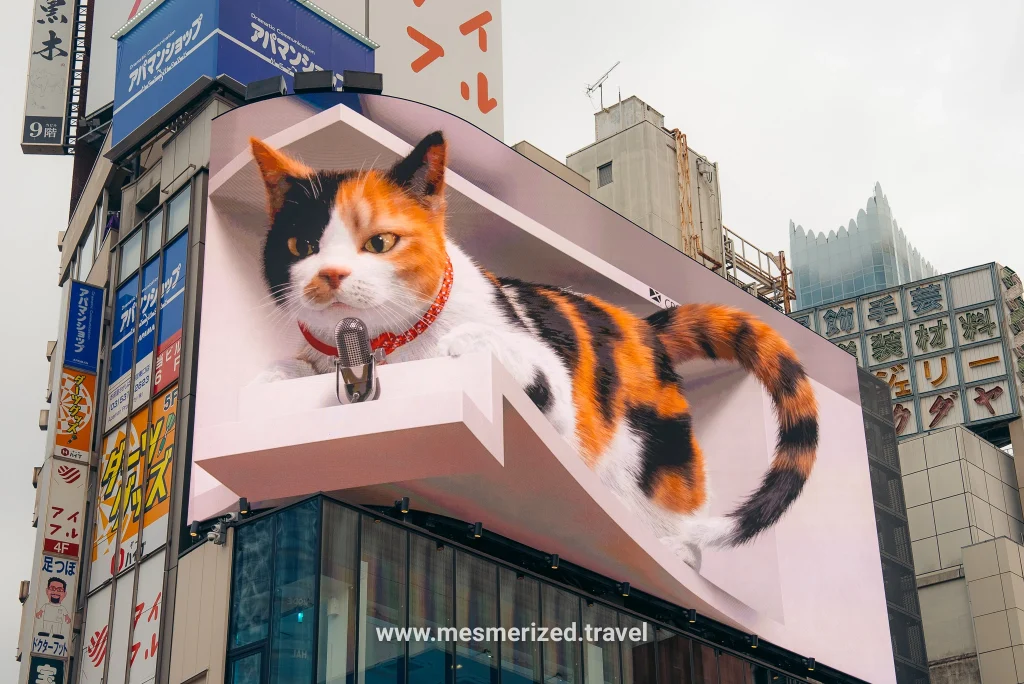
These animated billboards are part of Tokyo’s high-tech charisma. Our favorite? The giant 3D cat that meows as it moves, it’s located here. We also spotted a dog jumping between screens and a playful panda with a joystick. Keep your eyes up, you never know what you’ll see.
Shinjuku Gyoen Park
Need a break from all the noise? Shinjuku Gyoen is a real haven. It’s one of Tokyo’s biggest parks, and perfect for a slow walk. In spring, it’s full of cherry blossoms; in fall, the leaves turn fiery. Sit on a bench, watch a koi fish gliding by or just breathe, it’s calm in the middle of the city frenzy.
Omoide Yokocho
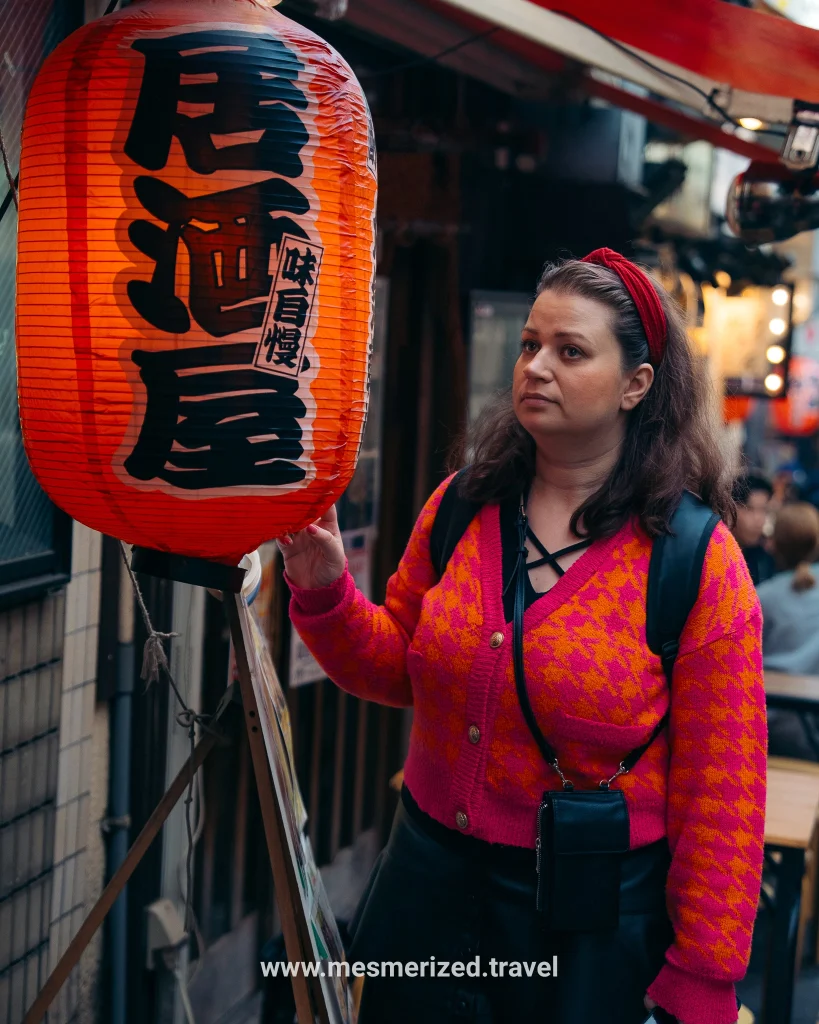
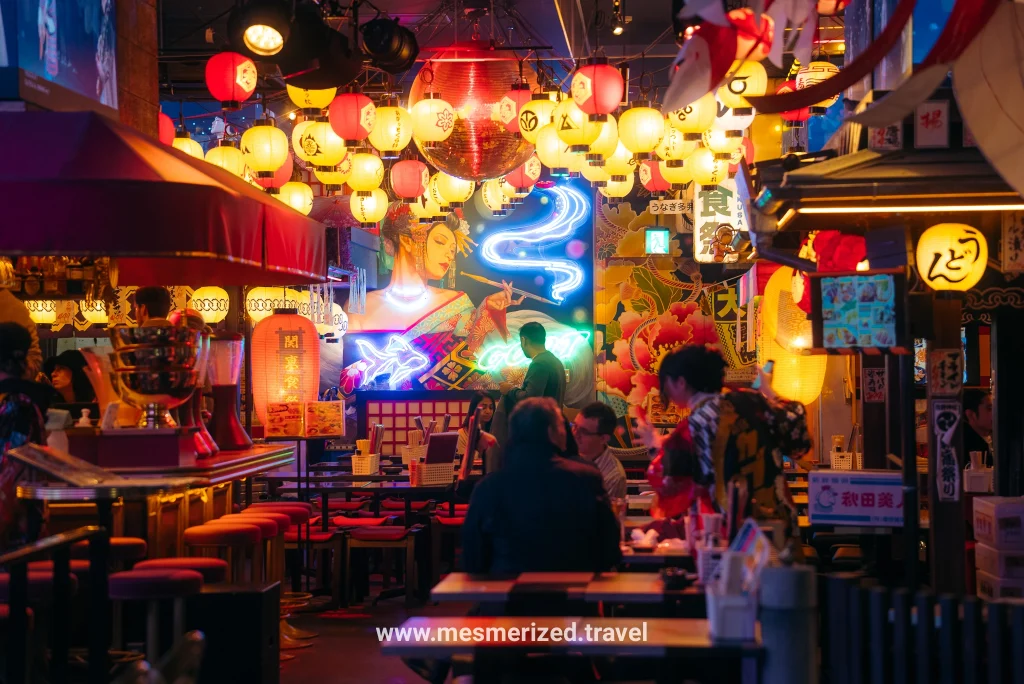
Tucked just steps away from Shinjuku Station, Omoide Yokocho—also called “Memory Lane” or affectionately “Piss Alley” (yeah, I know), is exactly the kind of tiny, atmospheric alleyway you picture when you think of Tokyo nightlife. It’s narrow, packed, and full of tiny restaurants grilling skewers over open flames, serving bowls of ramen, or pouring ice-cold beer.

Kabuki-cho & Kabukicho Tower
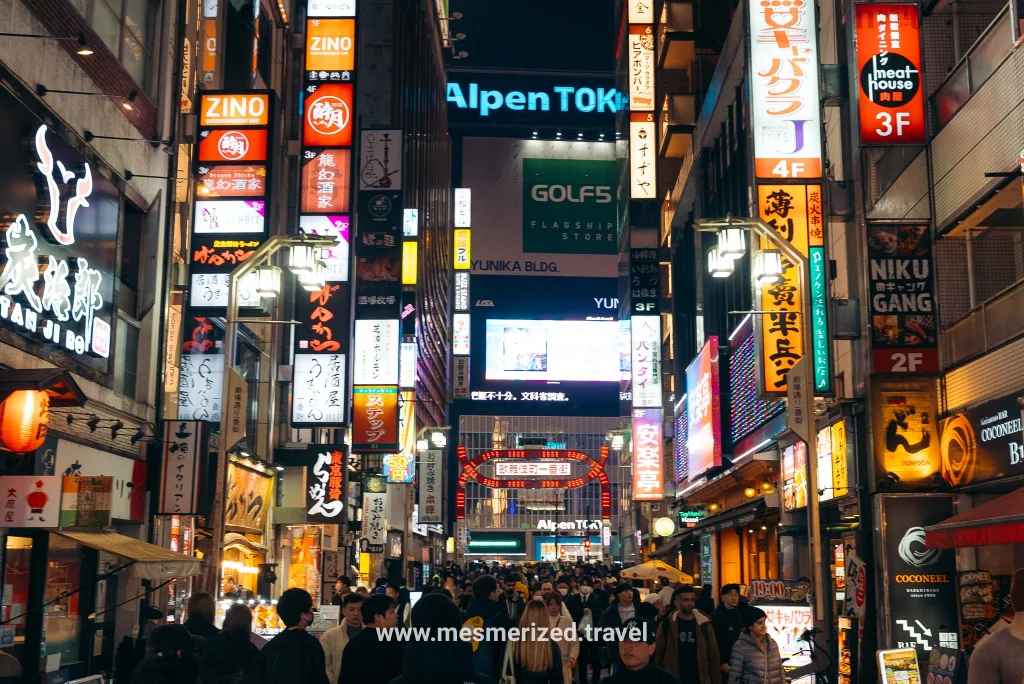
Come around 4 PM–6 PM, just before dinner, when the stores are open but the crowds haven’t flooded in yet. Check out the neon-lit Kabukicho Tower area. Street food vendors pop up at night, and the whole place turns into glowing chaos.
Shinjuku Arch at 7-Eleven (Neon Heaven)
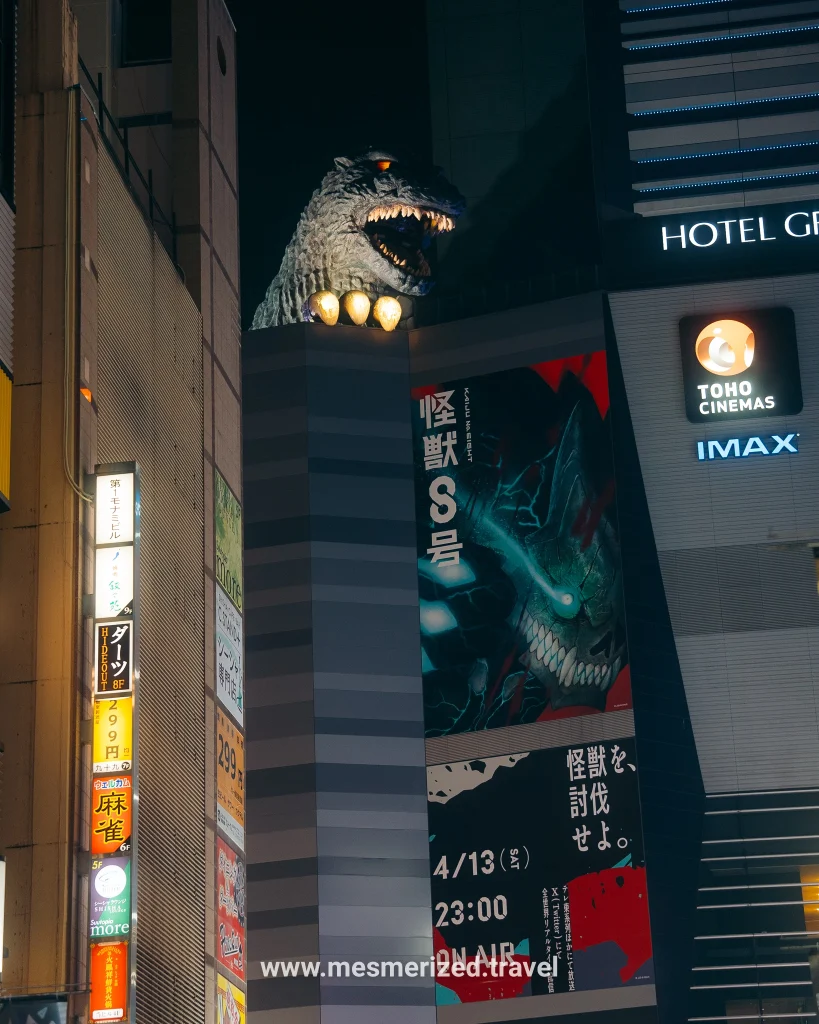
If neon lights are your thing, this corner of Shinjuku is a must-see after dark. The 7-Eleven corner is surrounded by electric signs. Don’t forget to look up, you might spot the Godzilla head peeking above the rooftops!
Where to Eat Around Shinjuku
- 800 Degrees Neapolitan Pizzeria NEWoMan – you wouldn’t say this, but this was amazing pizza with even more amazing toppings
- Nabezo Shinjuku Sanchome Store – great bbq
How to Get Around Tokyo
Days of getting lost in Tokyo are long gone. Just open Google Maps or Apple Maps (both work fine), and you’re good to go. It’ll show you exactly where to board, which exit to take, and even which carriage makes your transfer easier. Yes, that detailed.
Tokyo is huge, so don’t try to walk everywhere. The metro is the way to go—fast, clean, reliable. And super easy to figure out once you give it a try. All lines are color-coded, station signs are in English, and transfers are simple. You’ll get used to it in no time.
If something’s close, just walk. That’s when you stumble on little places you’d otherwise miss.
Oh, and grab a Suica or Pasmo card. You can use it for all public transport, and even pay in some shops, cafes, and vending machines. Don’t know which to choose, Suica or Pasmo, we’ve got your covered. We also have a couple of tips that will help you navigate through Tokyo. Check them out!
Best Time to Visit Tokyo
We planned our trip around cherry blossom season… but nature had other plans. It was colder than usual, so the blooms were a bit delayed. We did catch a few here and there, just not the full pink explosion we hoped for.
That said, Tokyo in spring or autumn is still amazing. The weather’s just right, not too hot or cold, and since Tokyo is filled with parks and tree-lined streets, the city really transforms. In spring, you get those iconic cherry blossoms (if the timing works out), and in autumn, the leaves turn the deepest reds and oranges.
Honestly, both seasons are beautiful. If you can swing it, plan for either. Just maybe keep an eye on the bloom forecast if you’re chasing sakura.

And just like that, five days in Tokyo have flown by! We’ve covered temples, neon-lit streets, quirky cafes, and enough ramen to satisfy even the most intense cravings (trust us, we’ve tested). This city’s mix of traditional charm and futuristic fun is exactly why Tokyo leaves such a lasting impression.
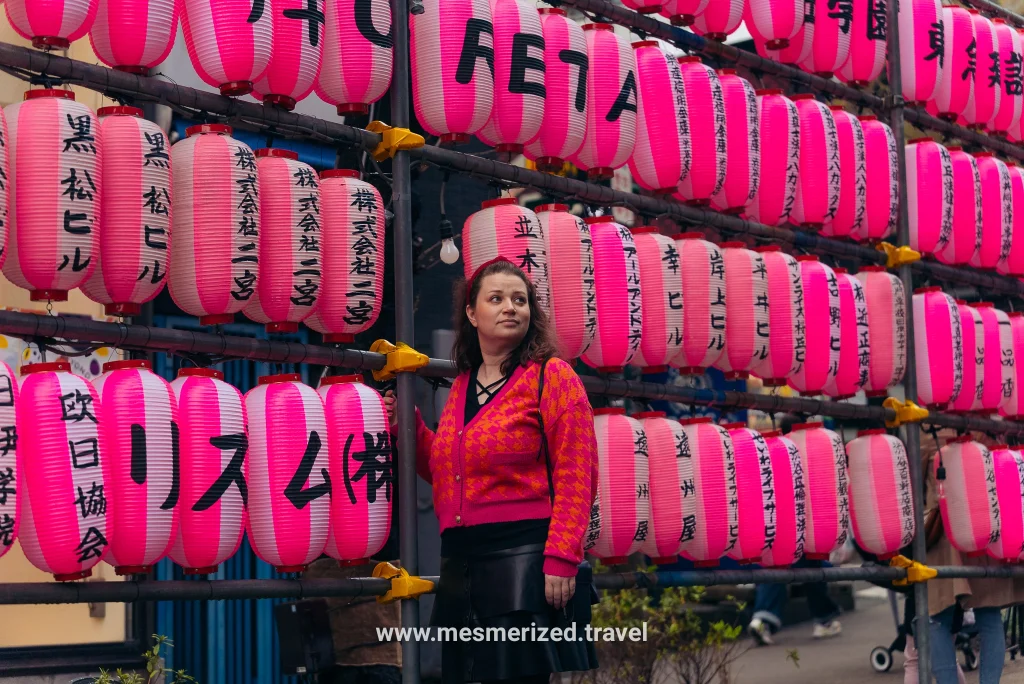
If you’ve followed this itinerary, you’re probably exhausted but smiling, your phone packed with way too many photos, and your heart already planning the next trip back—yep, Tokyo tends to have that effect.
So until next time, keep exploring, stay curious, and as always, be mesmerized 🩷