Transportation Options in Tokyo and How to Buy Tickets
Before we dive in, let’s first cover the terms that you will see all around, so it doesn’t get overwhelmed.
Transport Options
Tokyo’s transportation system is huge but incredibly well organized. Here are the main options and what they mean:
- JR Trains (Japan Railways): Includes major lines like the Yamanote Line (which loops central Tokyo). These trains are above ground and often faster than the subway for cross-city travel.
- Tokyo Metro & Toei Subway: Underground subway lines that crisscross Tokyo. You’ll use these a lot for short-distance city travel. Tokyo Metro and Toei are run by separate companies but can be used seamlessly with Suica or Pasmo.
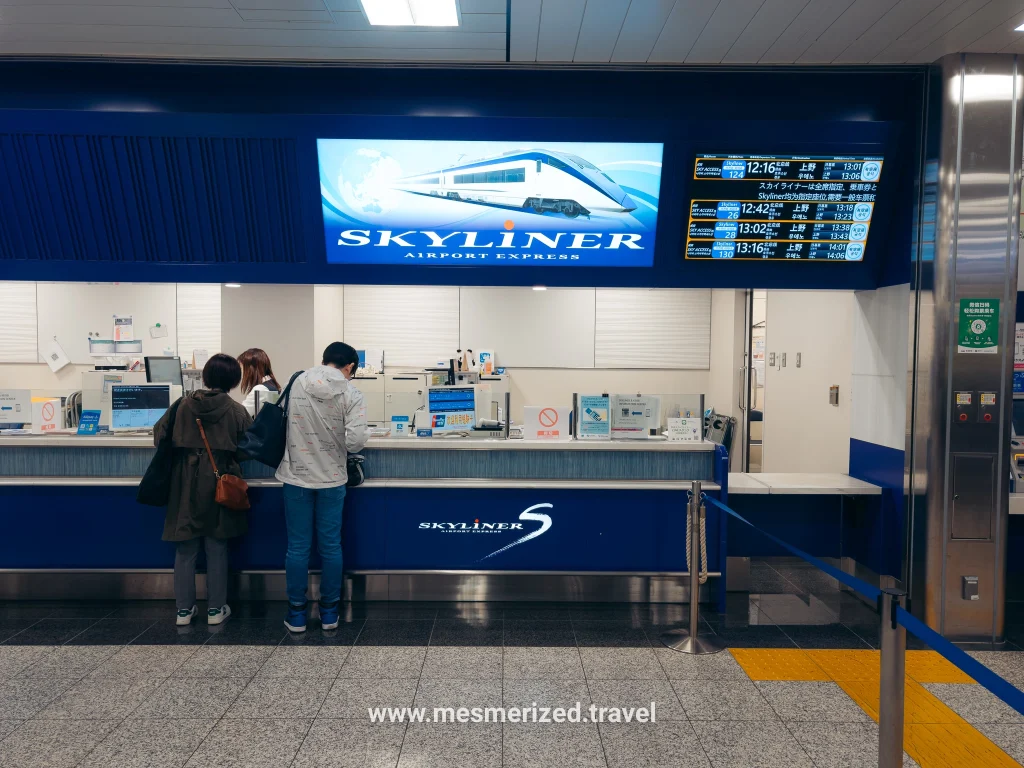
- Keisei Skyliner: A high-speed train that connects Narita Airport to Ueno Station in central Tokyo in about 40 minutes. It’s one of the fastest ways into the city. You can buy tickets at airport vending machines, dedicated Skyliner counters, or online. You can also use Suica/Pasmo.
- Narita Express (N’EX): Another train option from Narita Airport, run by JR East. It’s more spacious and comfortable than the Skyliner and goes directly to major JR stations like Tokyo, Shibuya, and Shinjuku. You can buy N’EX tickets from vending machines or JR counters.
- Tokyo Monorail: This connects Haneda Airport with Hamamatsucho Station and is fully compatible with IC cards.
- Airport Buses: These are slower than trains but useful if you’re traveling with lots of luggage or going somewhere without good rail access. Tickets can be purchased from vending machines or service counters at the airport.
- Taxis: Convenient but expensive. You won’t need them unless you’re traveling late at night or with bulky luggage. Many drivers understand basic English or use translation apps.
- Local Buses: Good for short distances or getting to specific neighborhoods. Tap your Suica or Pasmo when boarding and exiting.
Payment Options
There are two main ways to pay for transportation in Tokyo, Suica or Pasmo cards, they are also called IC cards, and purchasing tickets via vending machines.
Suica or Pasmo cards
These IC cards are your best friend. They let you tap in and out of train stations, buses, monorails, and even pay for drinks at vending machines or convenience stores. The difference between Suica and Pasmo is basically non-existent for travelers—they’re interchangeable.
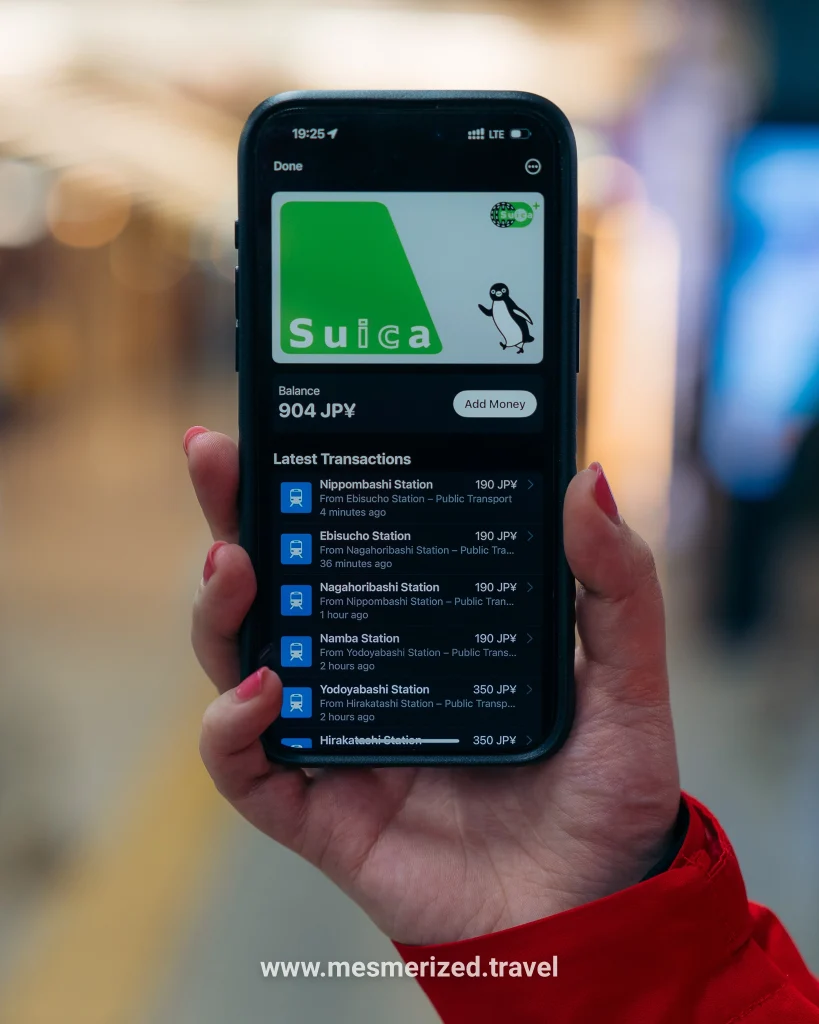
- You can add Suica or Pasmo to your iPhone Wallet if you have an iPhone 8 or later. Just open Wallet, tap the + sign, choose Transit Card, and add money via Apple Pay.
- For Android users, only Japanese-market models support digital cards. If you bought your phone outside Japan, you’ll need to get a physical card.
Where to buy physical Suica or Pasmo cards:
- At JR East Travel Service Centers (both Narita and Haneda airports)
- At ticket vending machines in JR and Metro stations
- At convenience stores inside larger stations (like Lawson or FamilyMart)
- At ticket counters (look for Midori no Madoguchi signs)
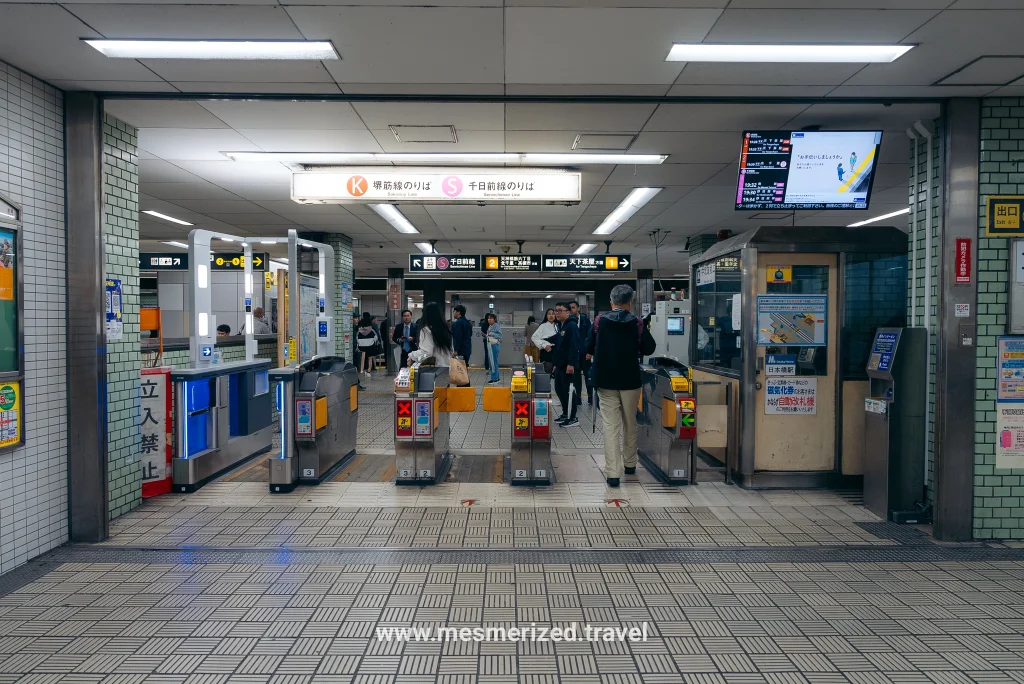
Once you have the card, you can top it up at machines or convenience stores all over the city. Machines usually offer English, so no stress there.
You can also still buy single-use paper tickets at machines, but it’s more expensive and honestly not worth the hassle unless you’re doing just one ride.
Suica vs Pasmo: What’s the Difference?
Honestly, Suica and Pasmo are almost identical in functionality. We have a whole dedicate blog to this question and you can check it here for more detailed instructions on how to use each of them.
Arriving at Narita or Haneda Airport: What Transit Ticket Should You Buy?
After a long flight, the last thing you want is to get confused about how to reach your hotel. Luckily, Tokyo has a few super reliable options, and you can grab your tickets right at the airport.
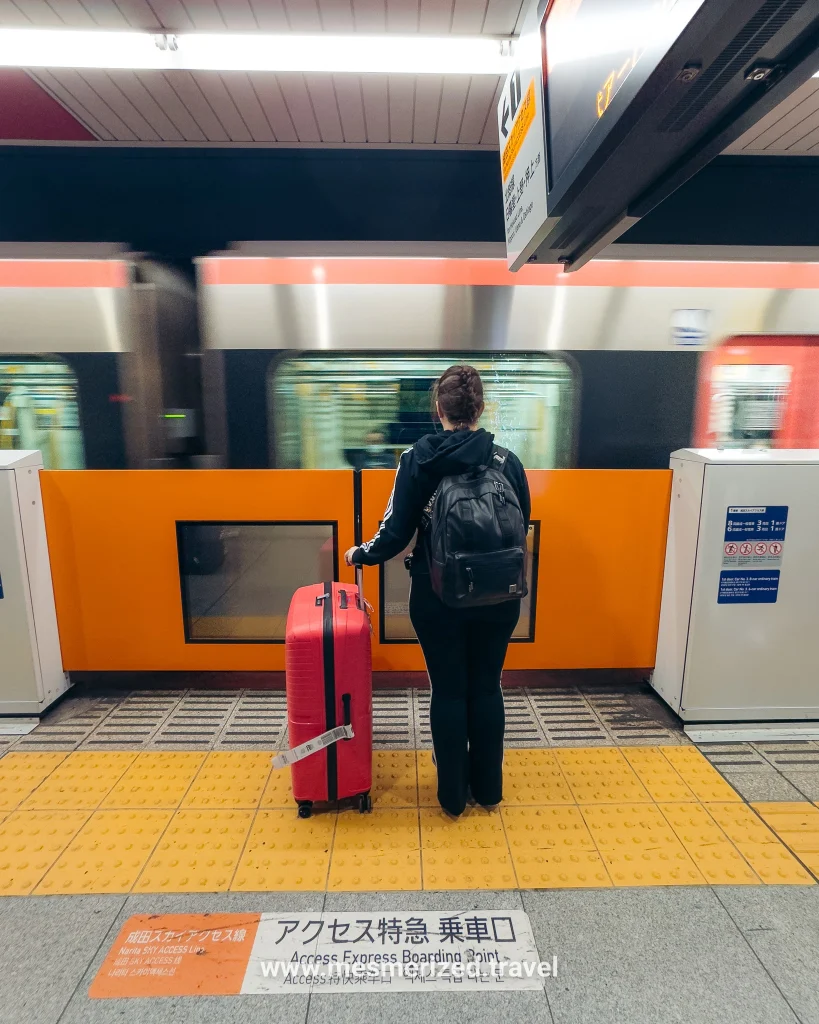
From Narita Airport (NRT)
You’ve got two great train options:
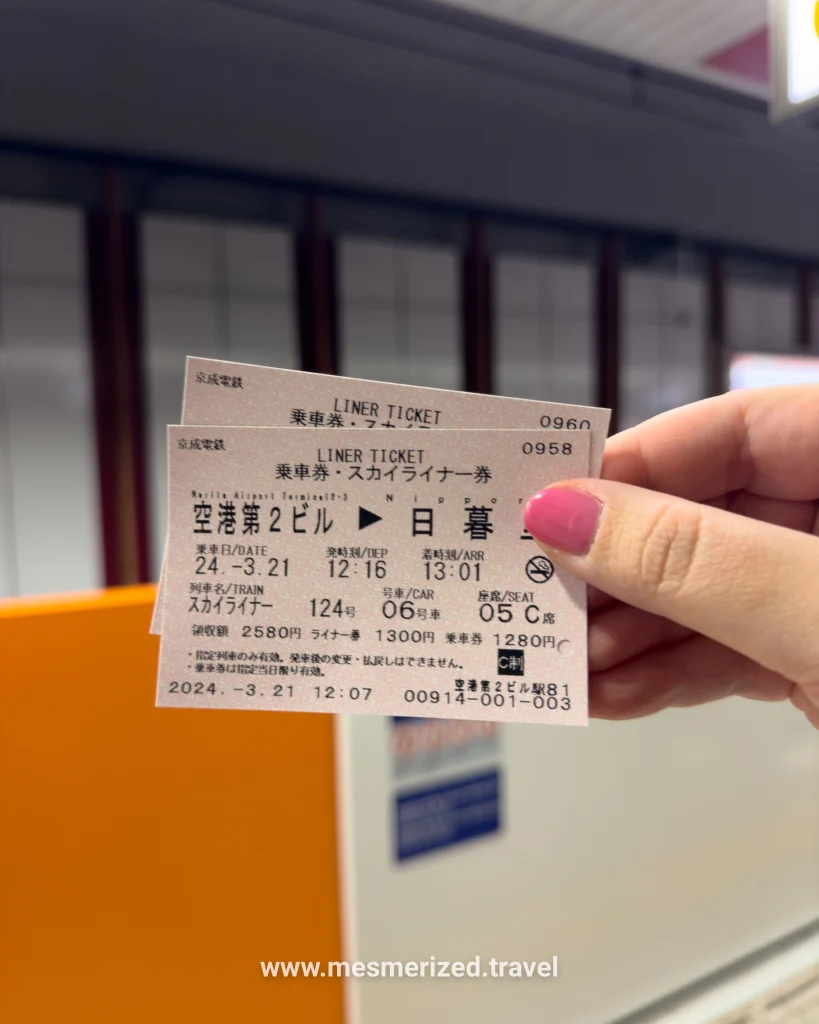
- Keisei Skyliner: This is the fastest way into the city—about 40 minutes to Ueno Station. It’s clean, comfy, and super punctual. You can buy tickets from dedicated Skyliner vending machines, ticket counters, or even online in advance. You can also tap in using Suica or Pasmo for a slight discount—but you’ll need to buy a reserved seat if you’re using it.
- Narita Express (N’EX): This JR-operated train goes to major stations like Tokyo, Shibuya, Shinjuku and Yokohama. It’s a little slower than Skyliner but more convenient depending on your final stop. You can buy tickets at JR East Travel Service Centers, vending machines, or Midori no Madoguchi (JR ticket counters)inside the terminal.
From Haneda Airport (HND)
- Tokyo Monorail: Runs to Hamamatsucho Station where you can transfer to JR lines. It’s fast, scenic (great for your first view of Tokyo Bay), and fully compatible with Suica or Pasmo.
- Keikyu Line: Takes you to Shinagawa Station, where you can jump onto the JR Yamanote Line. It’s quick, straightforward, and also works with Suica/Pasmo.
Can You Buy Suica or Pasmo at the Airport?
If you are an iPhone user, you already have it, just add it to your Wallet and top it up via Apple Pay (Wallet → + → Transit Card → pick one).
But if you are an Android user or just want a physical card, you can grab a physical Suica or Pasmo card right after landing at both Narita and Haneda. Look for:
- JR East Travel Service Centers
- Vending machines near train ticket counters
- Information counters in the arrivals area
It takes just a couple minutes to set up, and you’re ready to go.
Navigating Tokyo with Google Maps or Apple Maps
- These apps show exact routes, recommended station entrance, transfer directions, which platform and even which carriage to board to be closest to your exit or quickest transfer.
- Signs in stations are bilingual (Japanese + English), and maps help you avoid walking blocks if you exit the wrong turn. Follow the recommended exit—some exits force you to loop around for every block! Use the exit suggested by your map direction.
- When you’re in doubt, ask locals—most people are happy to help you figure it out.
Final Tips
- Always keep enough balance on your card—or have a bit of cash handy, especially for buses or small shops.
- Stick to your map app to avoid dead‑end station exits and long walking detours.
- Use a transport card (digital or physical) instead of buying paper tickets each time—it saves time and hassle.
- Don’t stress out—it looks complicated, but Tokyo’s system runs like clockwork, and the language barrier isn’t as bad as it looks.
- Follow our detailed 5-day itinerary in Tokyo to make the best of it!
Be polite, be curious, locals will often give directions with a smile. And go, be mesmerized! 🩶