Climb Fushimi Inari Taisha
If Kyoto had a postcard, this shrine would be on it. Fushimi Inari Taisha dates back to 711 A.D., dedicated to Inari, the Shinto god of rice, prosperity, and business. What makes it so famous? The thousands of bright orange torii gates winding up Mount Inari like a glowing tunnel to another world. Each gate was donated by a business or individual hoping for good fortune, which is why you’ll see the donor’s name written in black kanji on the back. If you follow the full trail, it takes around 2–3 hours to reach the summit, with smaller shrines scattered along the way.
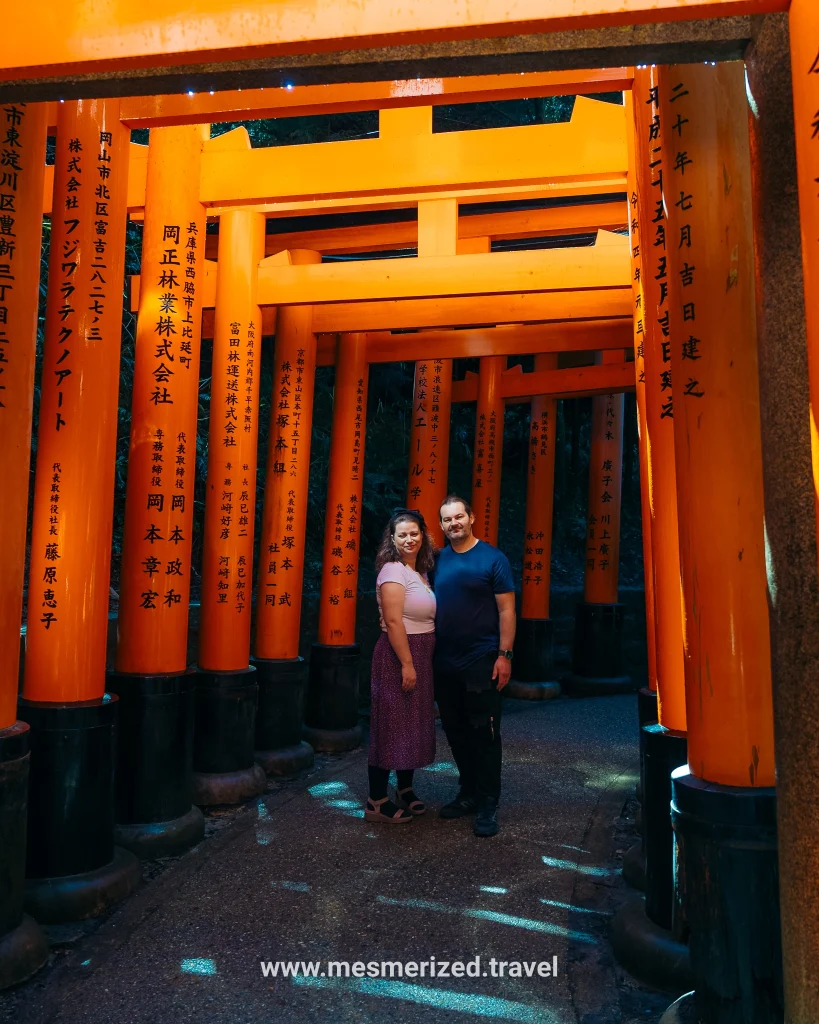
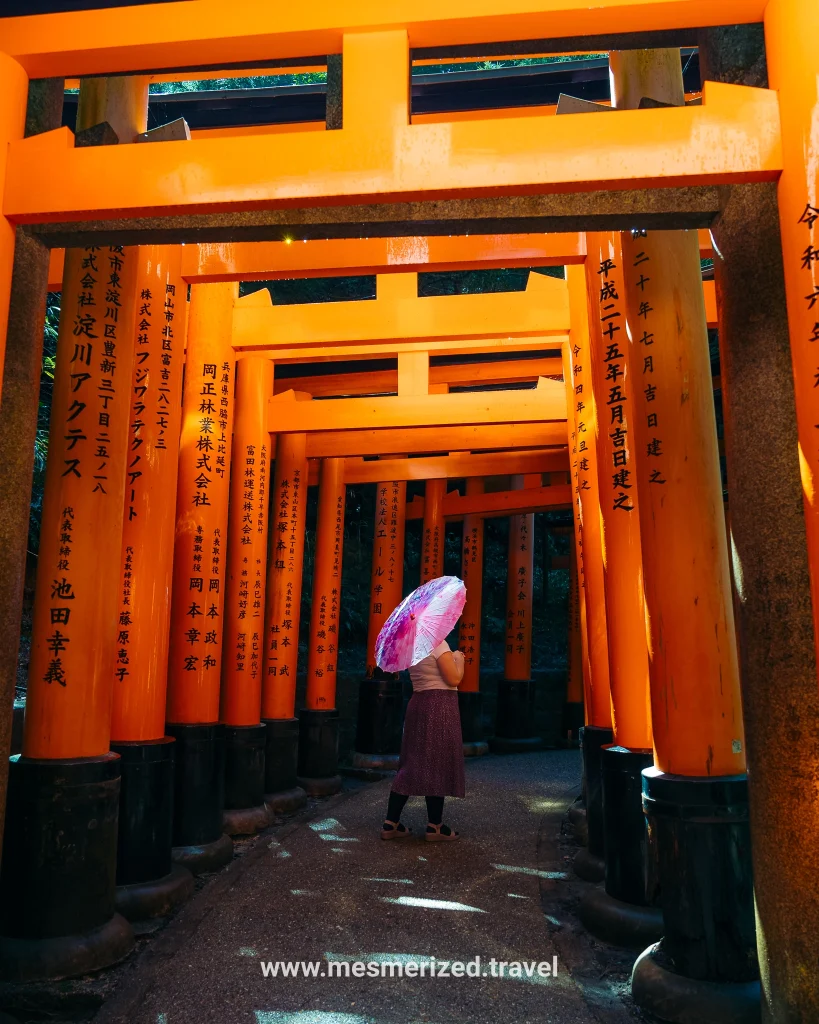
Crowds are heavy all day, but there are two times during the day when it’s a bit better. Either go very early in the morning, or in the late afternoon when most tour buses have left. And if you’ve got the stamina, keep climbing past the main viewpoints — the further you go, the more it’s just you alone in this amazing places.
Enjoy the View of Hokanji Temple / Yasaka Pagoda
This five-story pagoda is Kyoto’s tallest and probably its most photographed landmark. Built in the 6th century, it’s been rebuilt several times after fires, and what you see today has stood since 1440. Locals say the pagoda is a kind of compass for the Higashiyama area — if you can see it, you know you’re not lost.
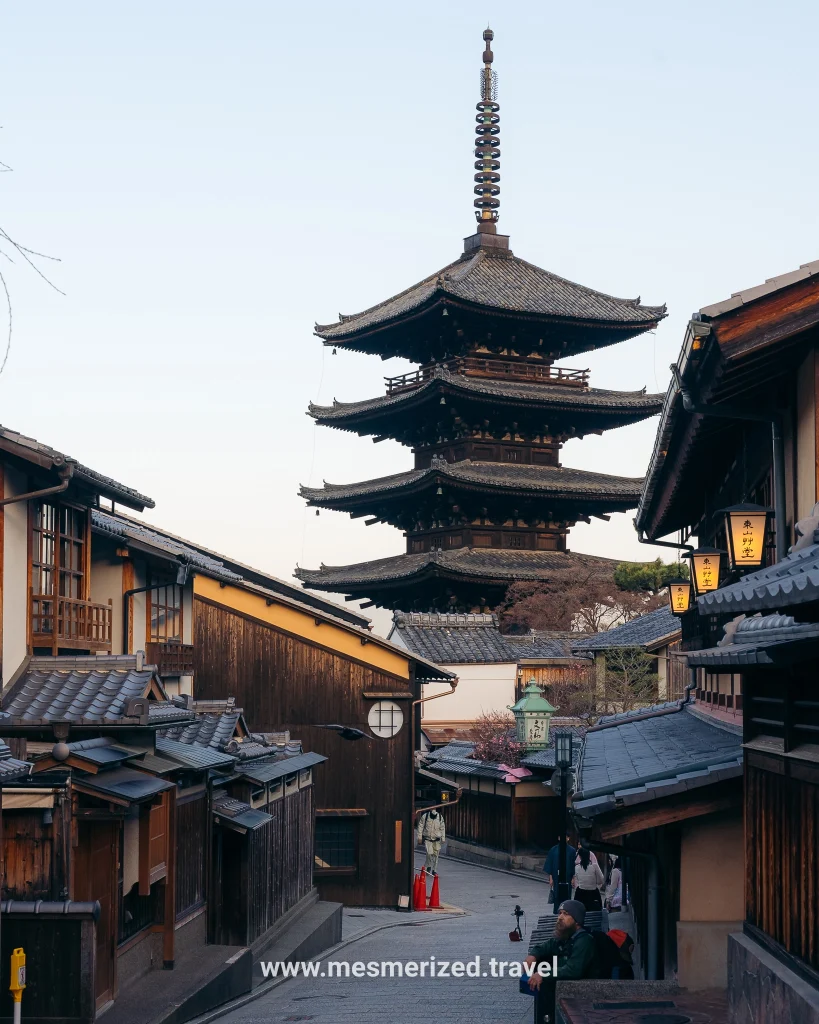
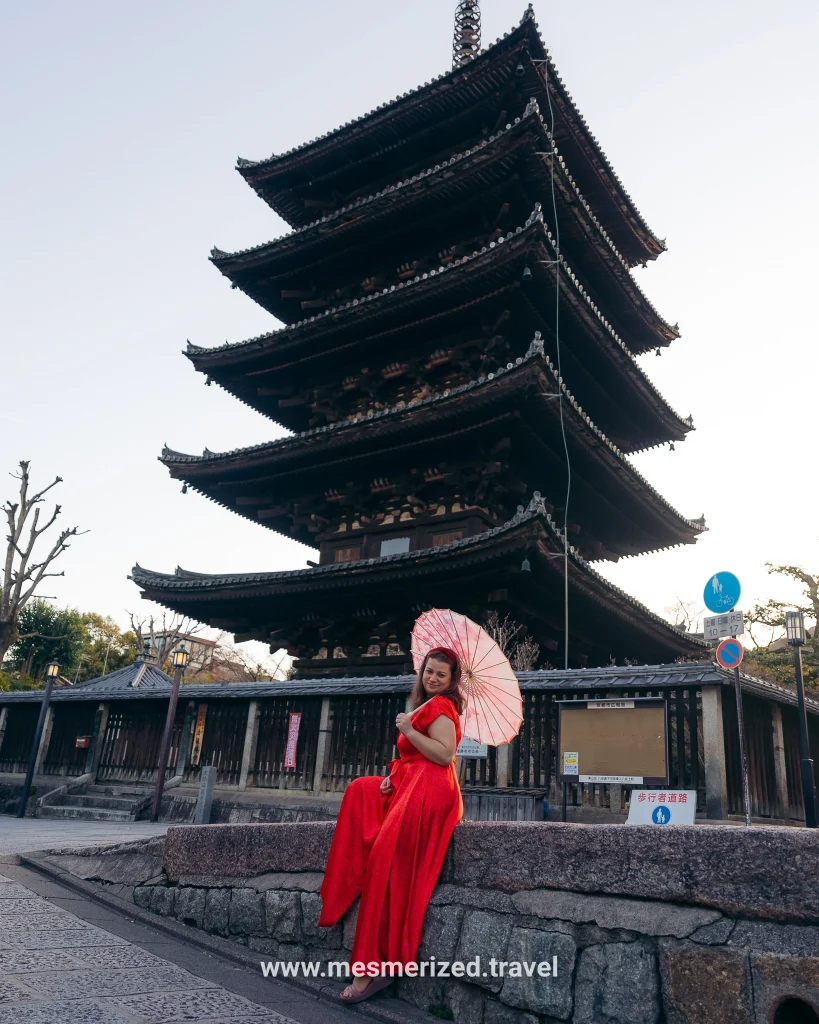
For those picture-perfect shots with the pagoda rising behind traditional wooden streets, get there at sunrise. It will be you with a couple of photographers and delivery trucks.
Explore Ninenzaka
A charming, sloping street that feels like it hasn’t changed in centuries. The name means “two-year hill” (legend has it that if you trip here, you’ll have bad luck for two years — so maybe don’t run). The street is lined with tea houses, souvenir shops, and sweet stores.
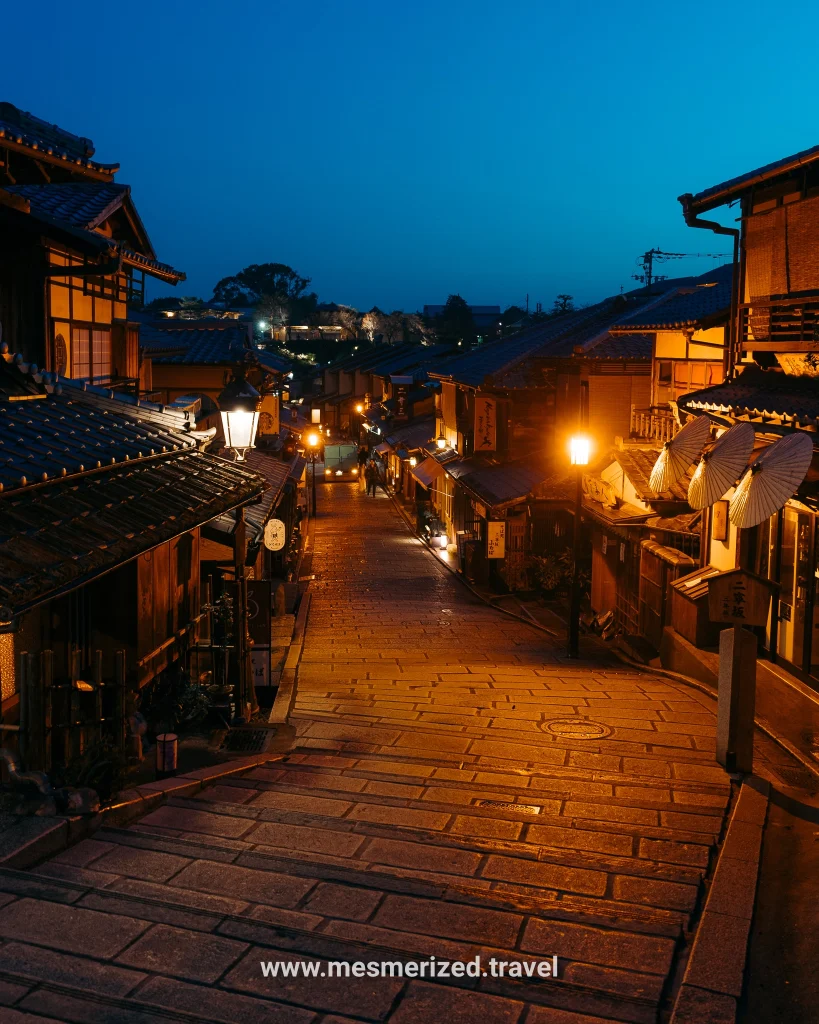
It’s lovely very in the early morning, but during the day it’s one of Kyoto’s busiest streets. If you want the atmosphere without the crowd, stroll through just before sunrise.
Walk Gion Hanamikoji Street
Gion is Kyoto’s most famous geisha district, and Hanamikoji is its beating heart. Wooden merchant houses line the street, many of them now restaurants or ochaya (tea houses) where geisha, or as they’re called in Kyoto, geiko, entertain guests.
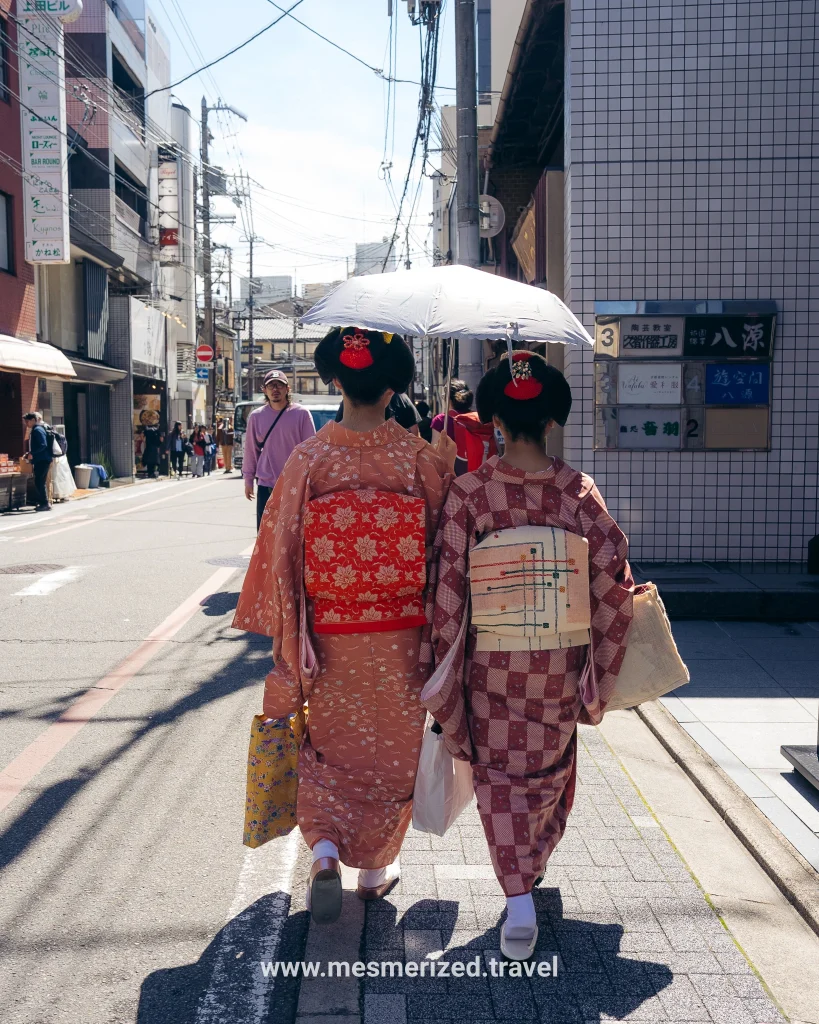
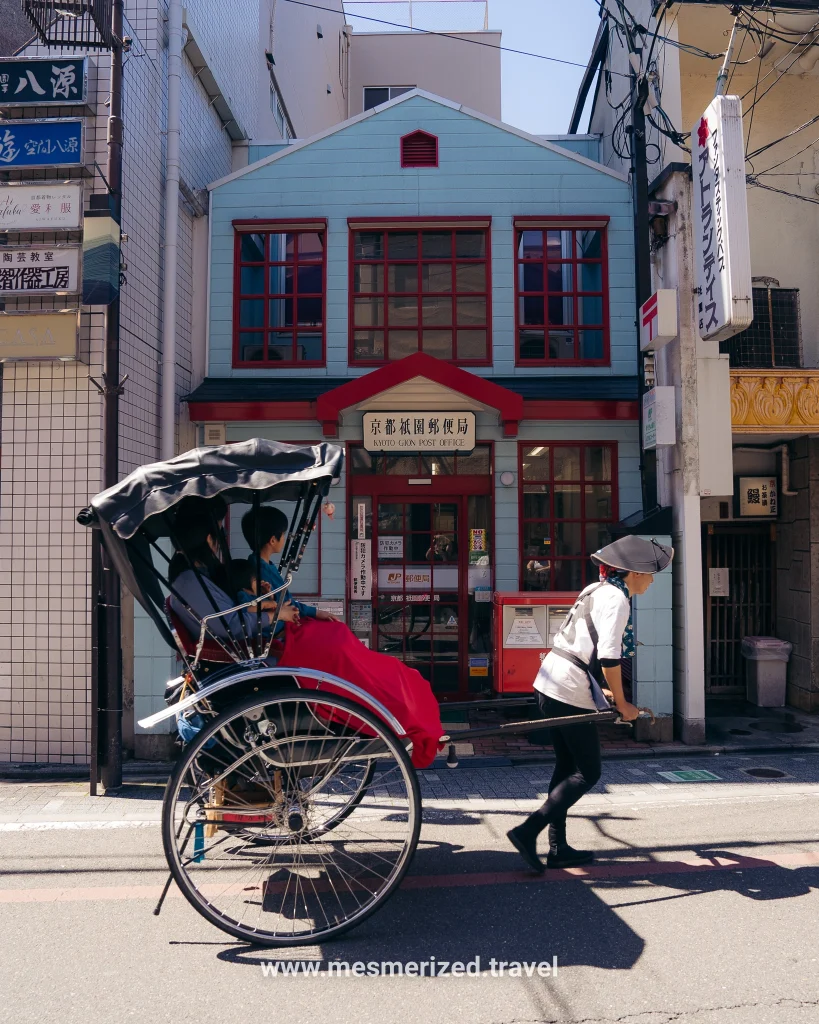
If you’re hoping to spot a geisha, your best bet is between 4 pm and 6 pm when they’re on their way to evening appointments. But remember — be respectful. A quick, discreet photo from a distance is fine. Following them down the street? Not cool.
Kiyomizu-dera
Right on a hillside with mesmerizing views of Kyoto, Kiyomizu-dera is one of Japan’s most celebrated temples. Founded in 778, it’s famous for its massive wooden stage that stoods out from the main hall, built entirely without nails. In spring and autumn, the maple and cherry trees turn the whole hillside into a photographers heaven.
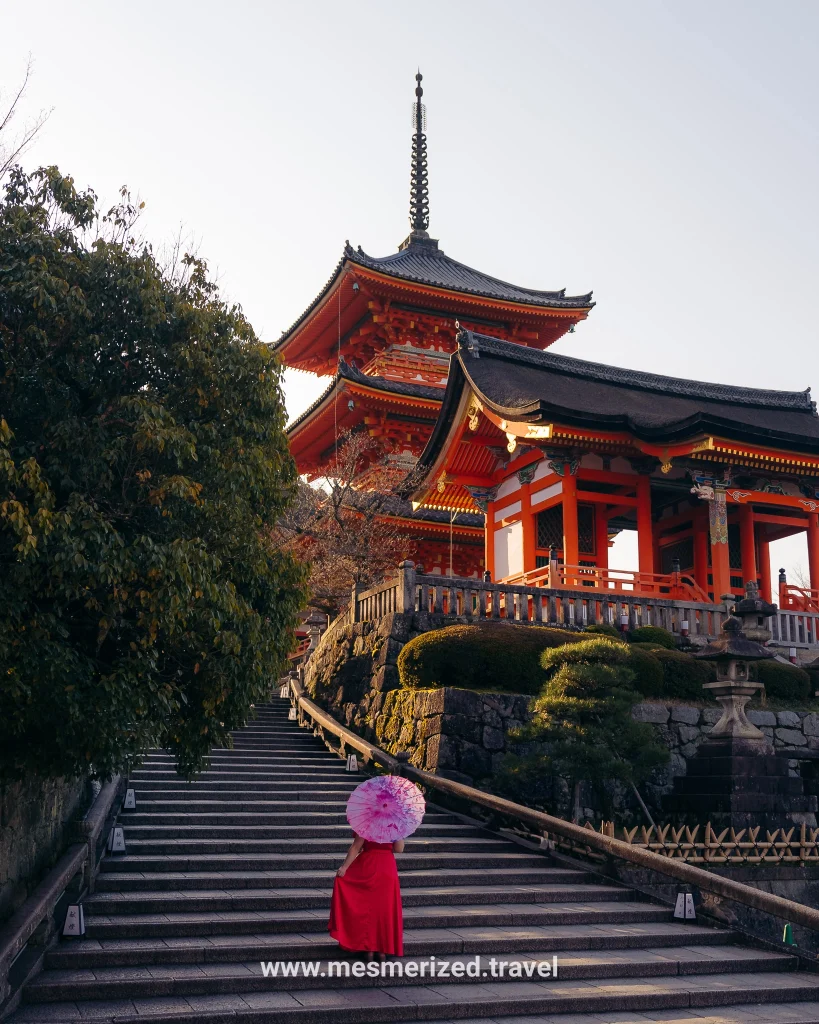
Spring cherry blossoms and autumn maple leaves turn the whole hillside into a sea of color. Admission is 500 yen, and sunset is especially magical — but also extremely crowded.
Admire Yasaka Shrine
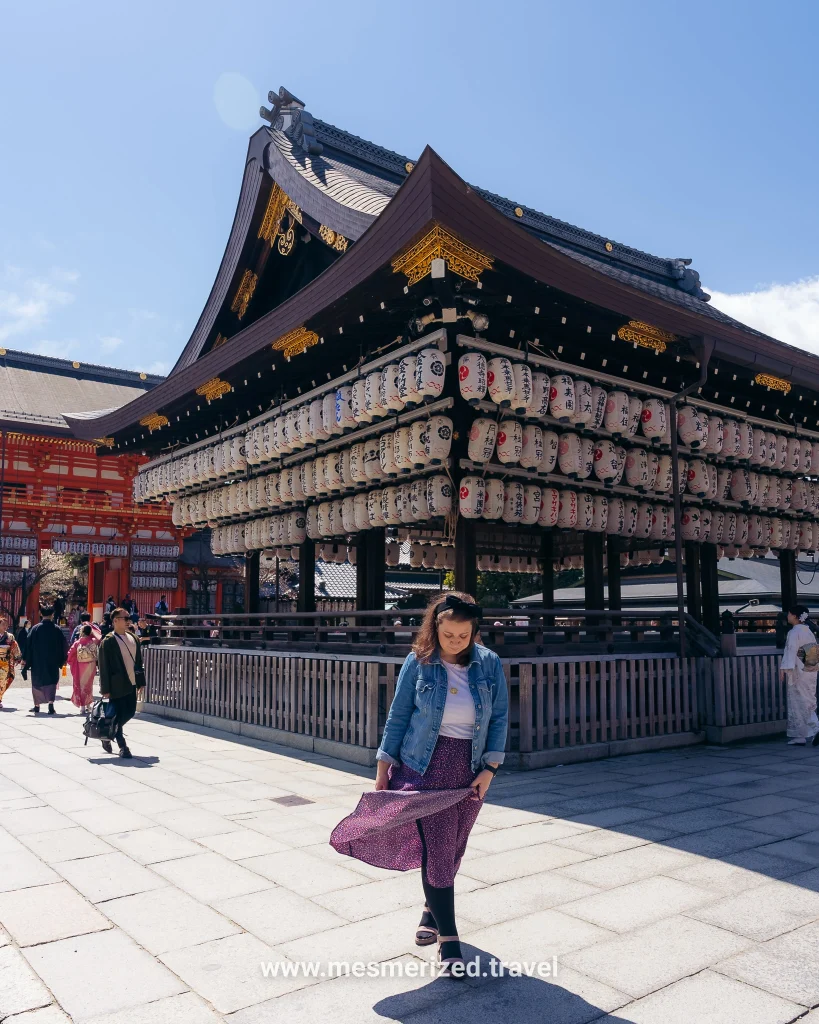
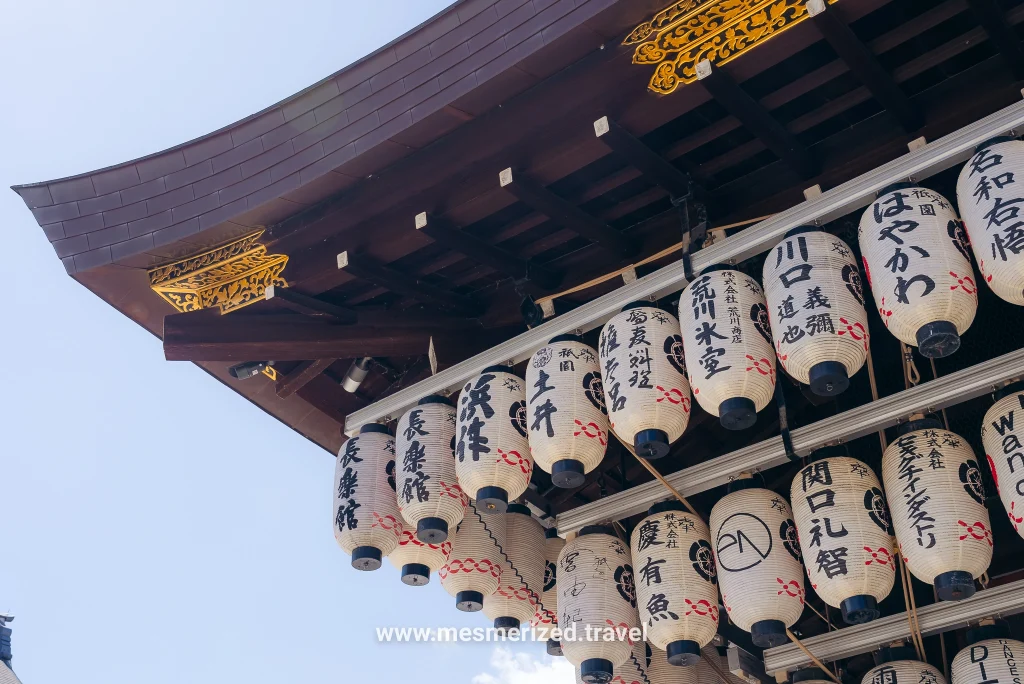
Located between the Gion district and Maruyama Park, Yasaka Shrine is famous for its striking vermilion Nishiromon Gate. Originally built in the 7th century, the gate you see today was rebuilt in 1497 after the Ōnin War. While it’s beautiful in daylight, at night it becomes magical — hundreds of paper lanterns glowing softly, each bearing the name of a local business that supports the shrine.
Do a Kyoto Tea Ceremony
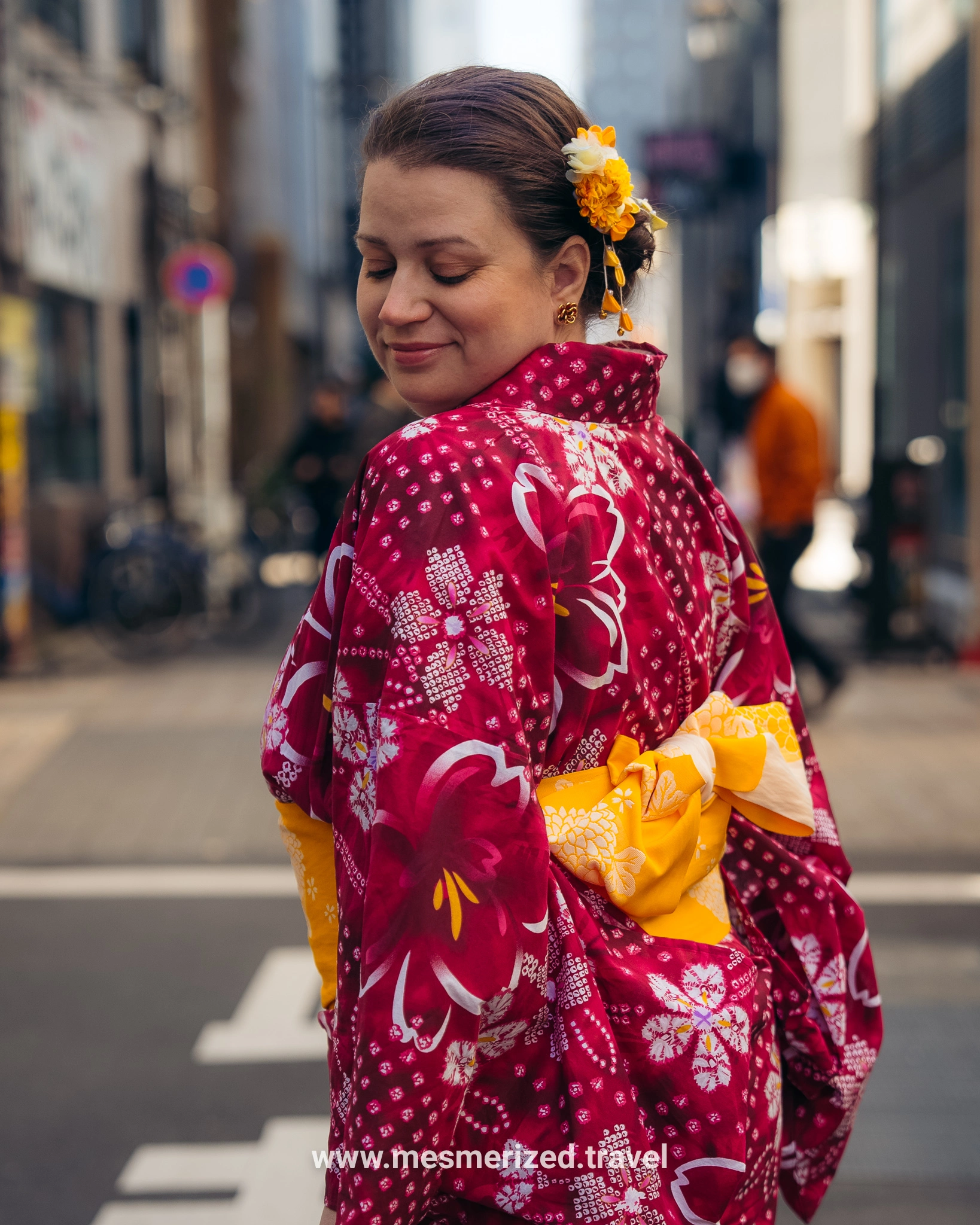
For a truly Japanese experience, join a tea ceremony in Kyoto. Even if you know nothing about matcha, you’ll leave with a new appreciation for the ritual. You can also rent a kimono for the full experience and take a stroll through the streets afterward. We booked this ceremony at Tokyo, and it was a wonderful experience. So I would definitely recommend for you to try it in Kyoto if you haven’t tried it yet.
Kyoto: Tea Ceremony in a Traditional Tea House
Join a traditional tea ceremony in Kyoto, where you’ll sip finely prepared matcha with a seasonal sweet, learn the art of whisking your own tea, and enjoy the calm views of a Japanese garden.
Book NowVisit Toji Temple
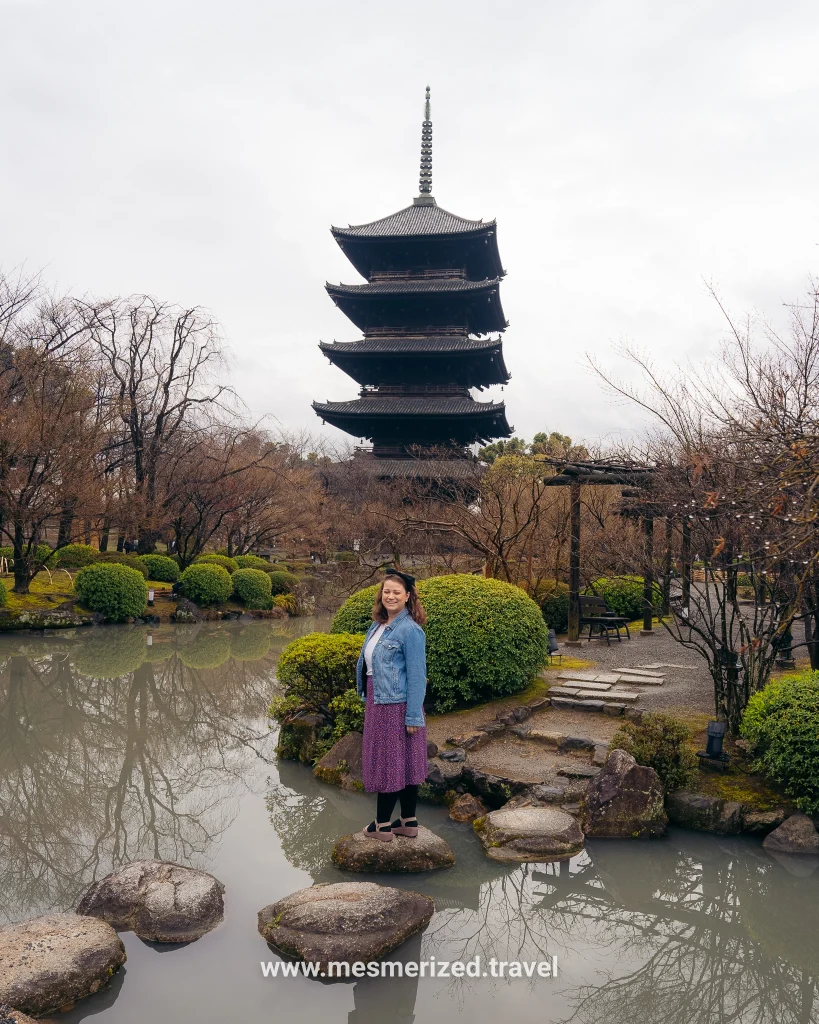
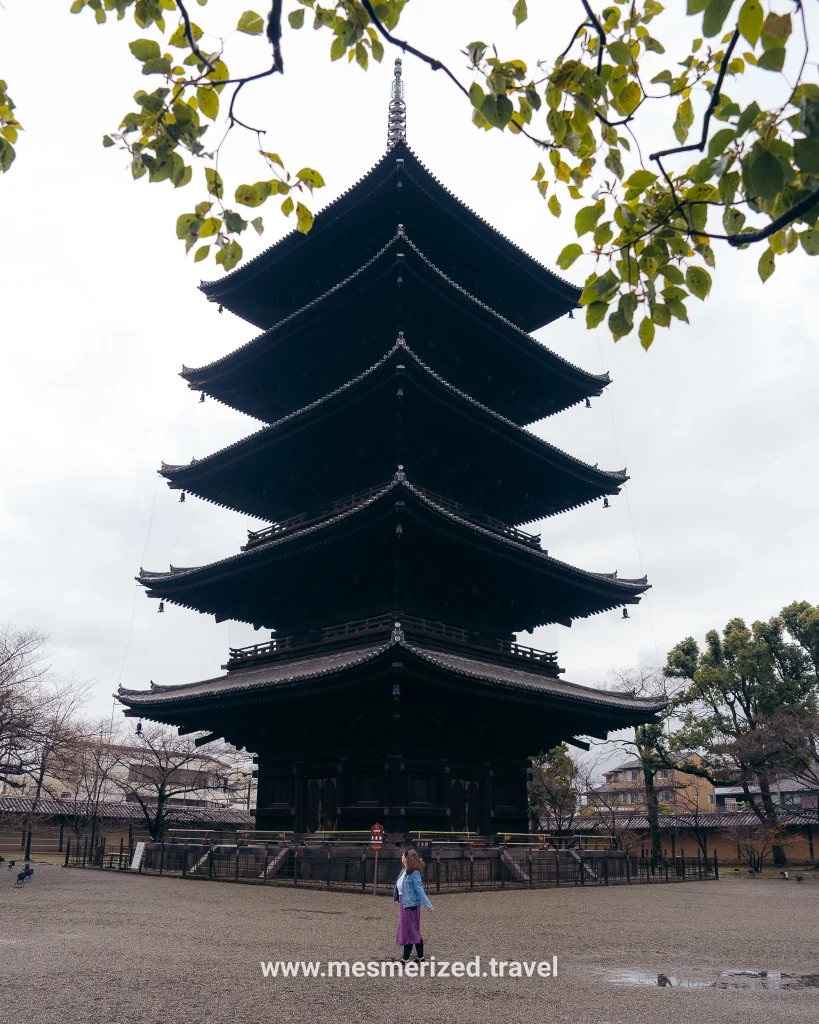
Toji Temple means “East Temple,” though it’s actually west of Kyoto Station. It was founded in 796 and is home to Japan’s tallest wooden pagoda at 55 meters. The pagoda is a symbol of Kyoto and is even visible from the bullet train as you arrive.
If you visit on the 21st of the month, you’ll also find Kobo-san Market, one of Kyoto’s biggest flea markets, where you can browse antiques, vintage kimonos, pottery, and street food.
Stroll Arashiyama Bamboo Grove
Early morning is the only way to see this place without the crowds. Walking through the tall bamboo stalks is like walking through a movie set, it’s just beautiful and special. The grove is beautiful, but it’s smaller than many people expect, so it can get crowded real fast.
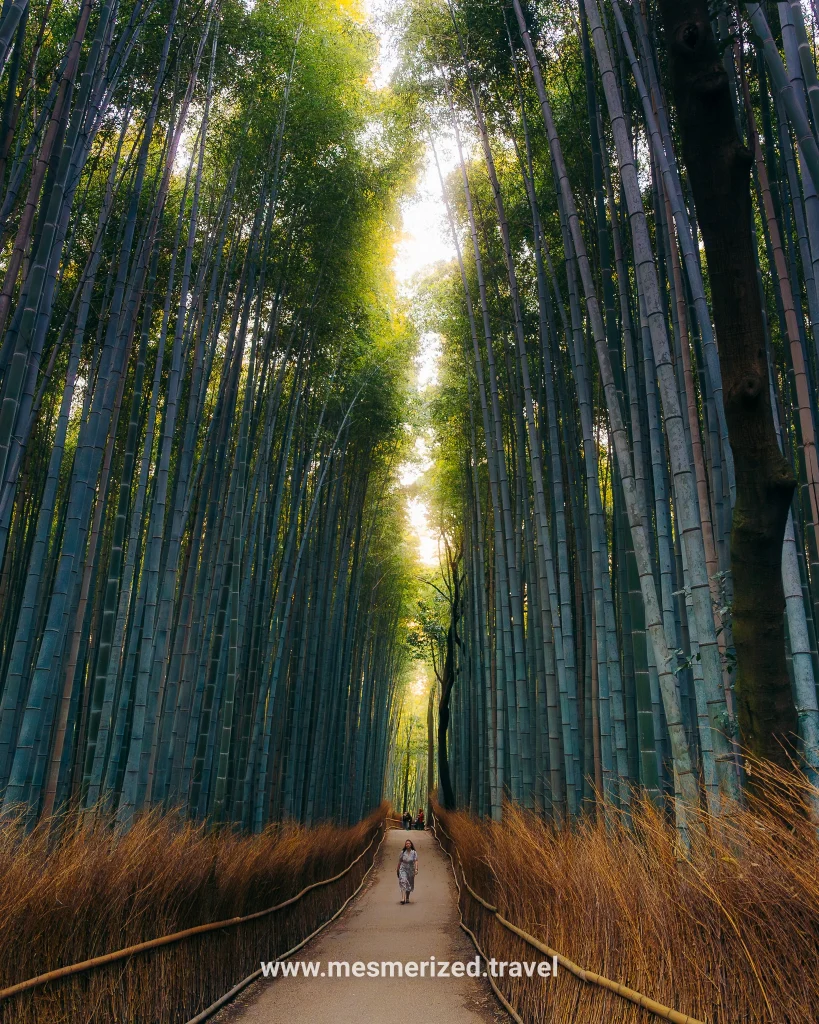
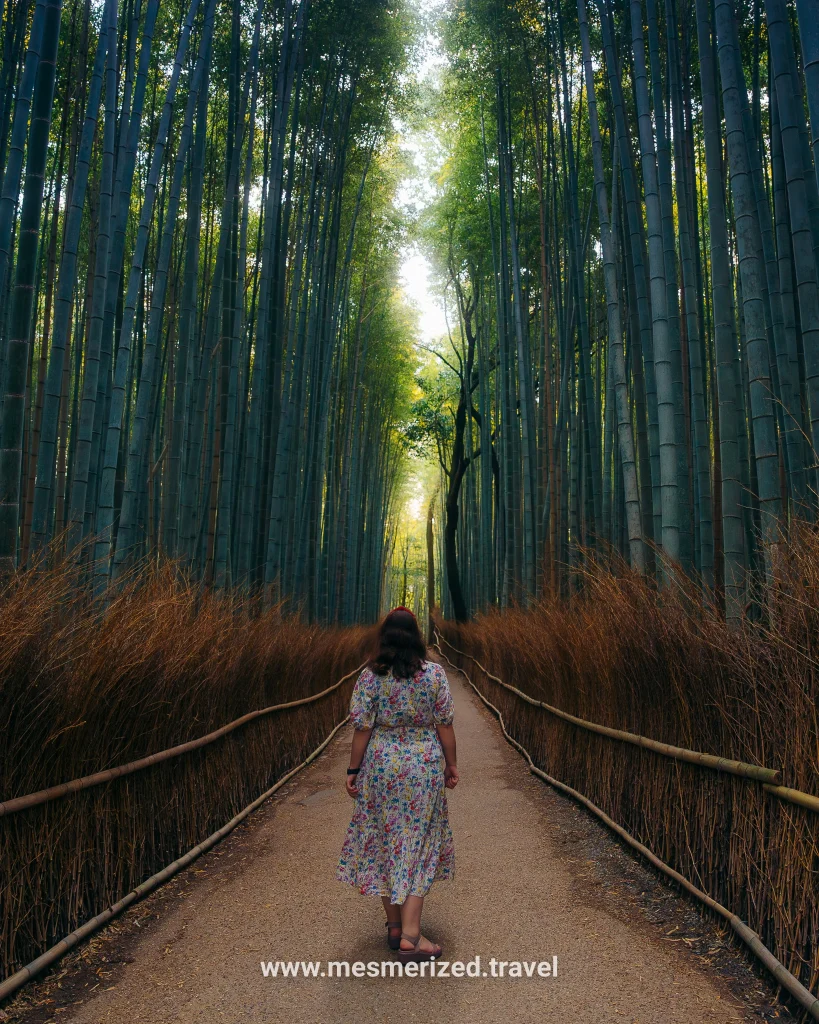
For a quieter alternative, head to Adashino Nenbutsuji, a temple with its own small bamboo path that is similar to Arashiyama one.
Discover weird Otagi Nenbutsuji temple
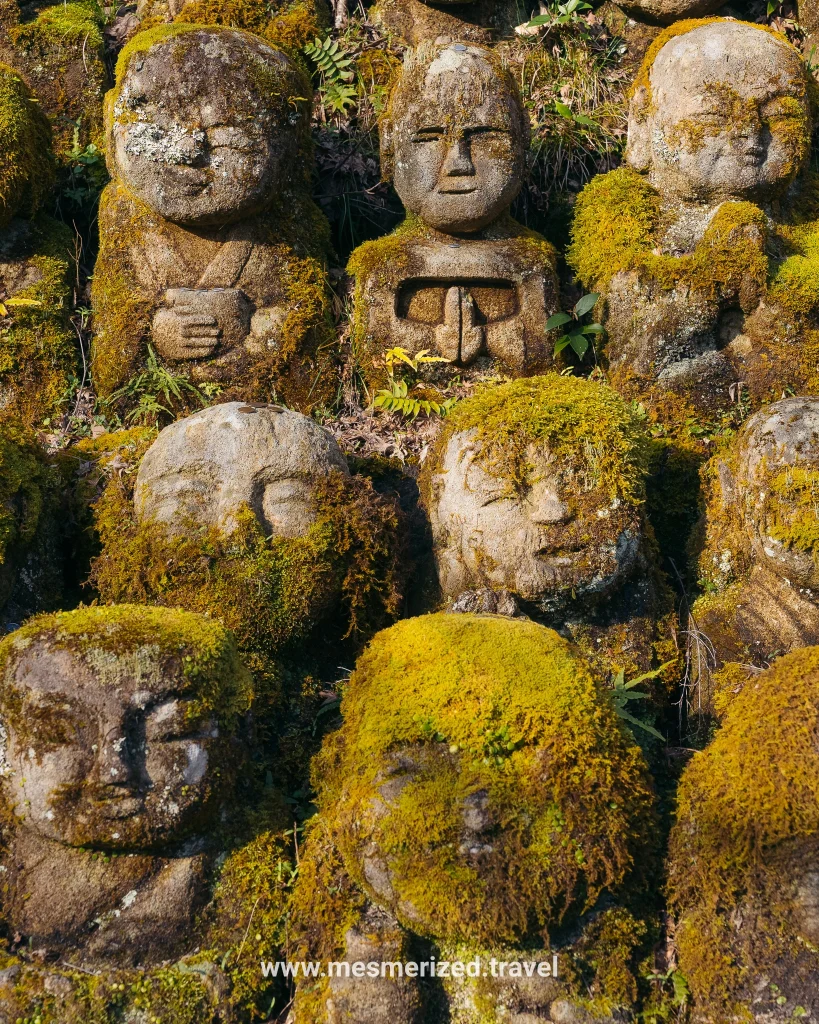
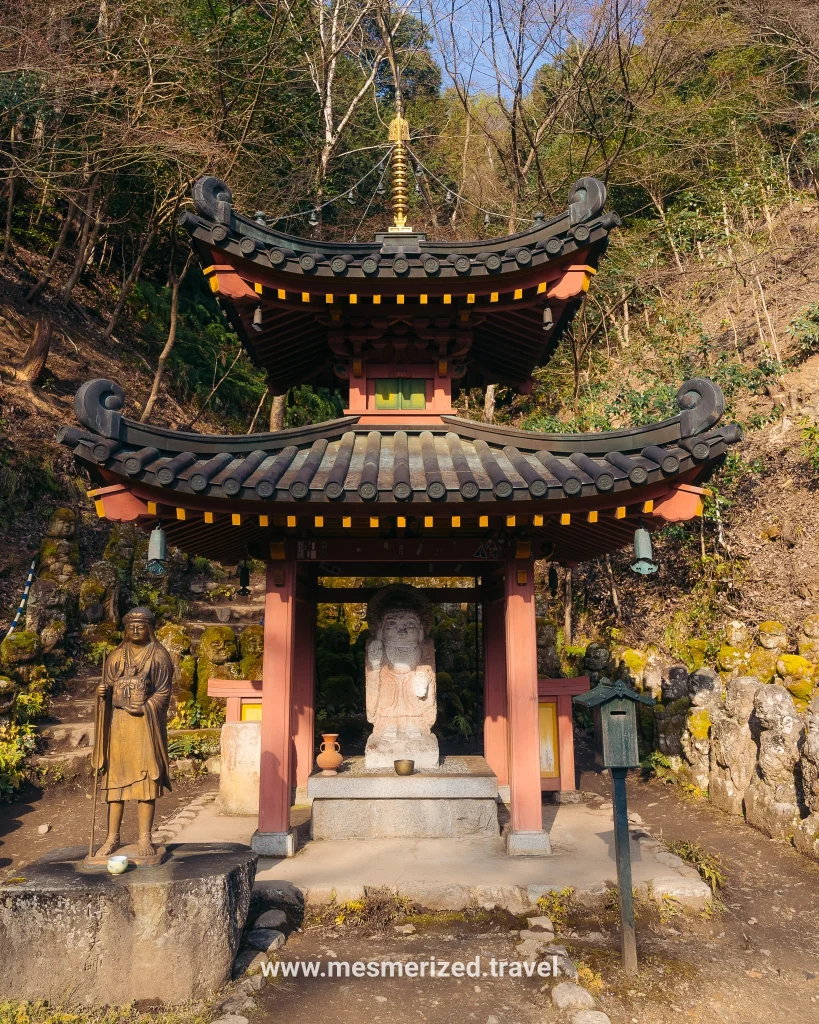
A small, off-the-beaten-path temple in the Arashiyama area, Otagi Nenbutsuji is famous for its 1,200 Rakan statues representing the disciples of Buddha. Each statue has its own expression: some are smiling, others laughing, a few are even holding musical instruments. They were carved by visitors in the 1980s, which I don’t know why but it makes me laugh.

Walk through Kyoto Botanical Garden
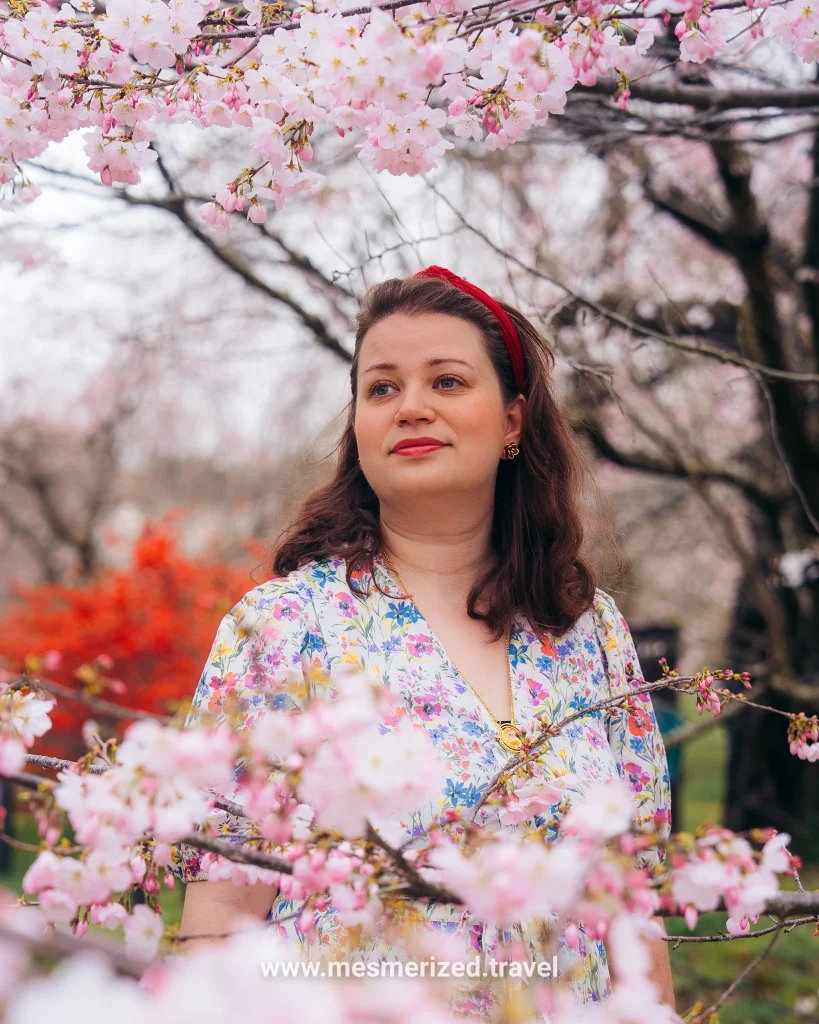
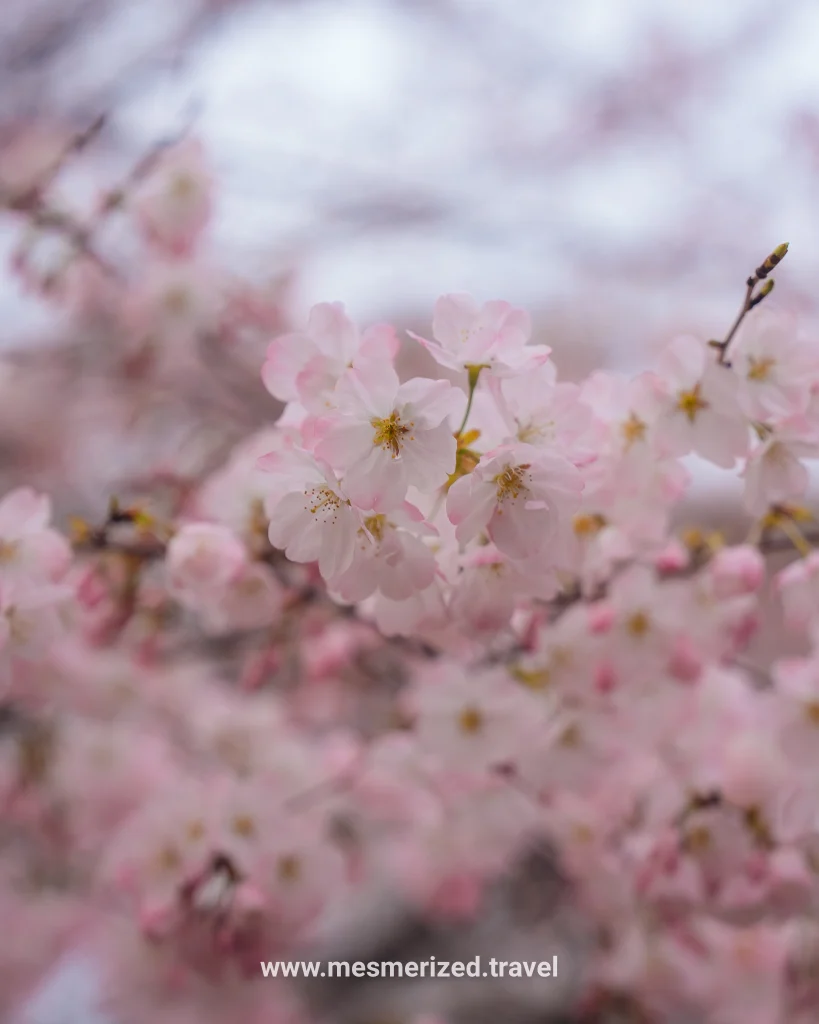
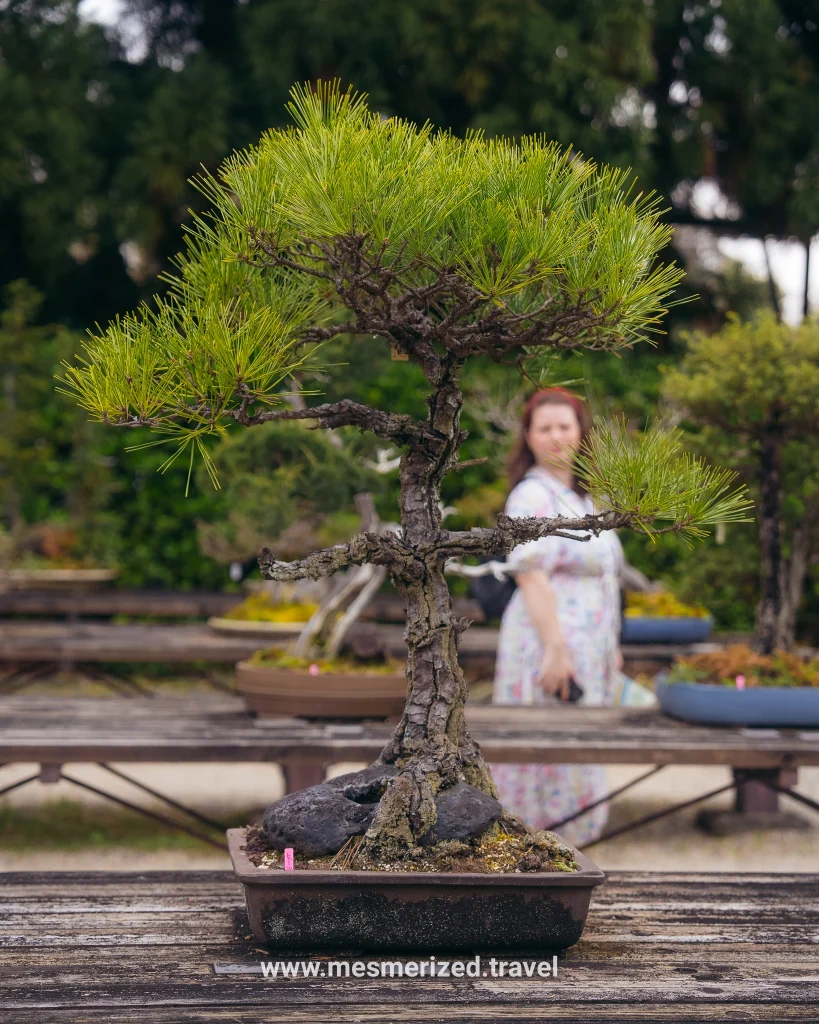
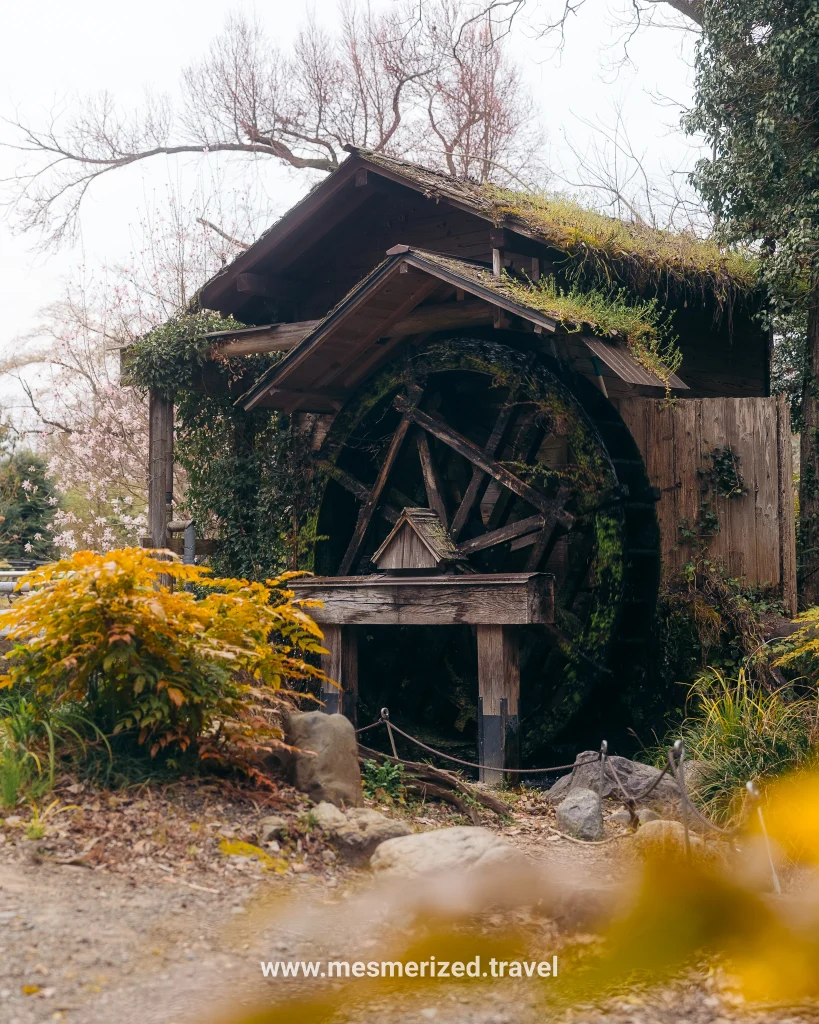
We visited during cherry blossom season and saw so many varieties. But it’s beautiful year-round, with sections dedicated to tropical plants, bonsai, and seasonal flowers. There’s even a large greenhouse with orchids, ferns, and palms, making it a nice break if you need some shade.
Since the cherry blossom was so gorgeous, we had a little photoshoot on the spot.

Take detour to Enkōji Temple
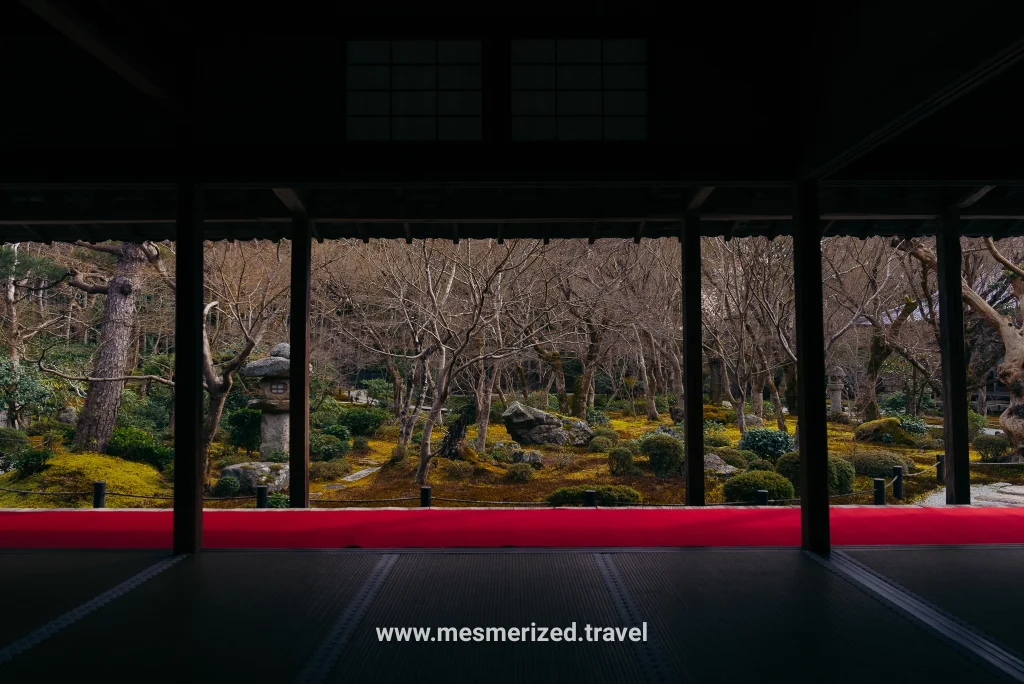
We stumbled upon this one by accident, and it turned out to be one of the most peaceful spots in Kyoto. Founded in 1601, it’s known for its moss garden, autumn foliage, and a small but beautiful bamboo grove hidden at the back. It’s a bit out of the city center, which might explain why it’s so quiet. Let’s hope it stays that way.
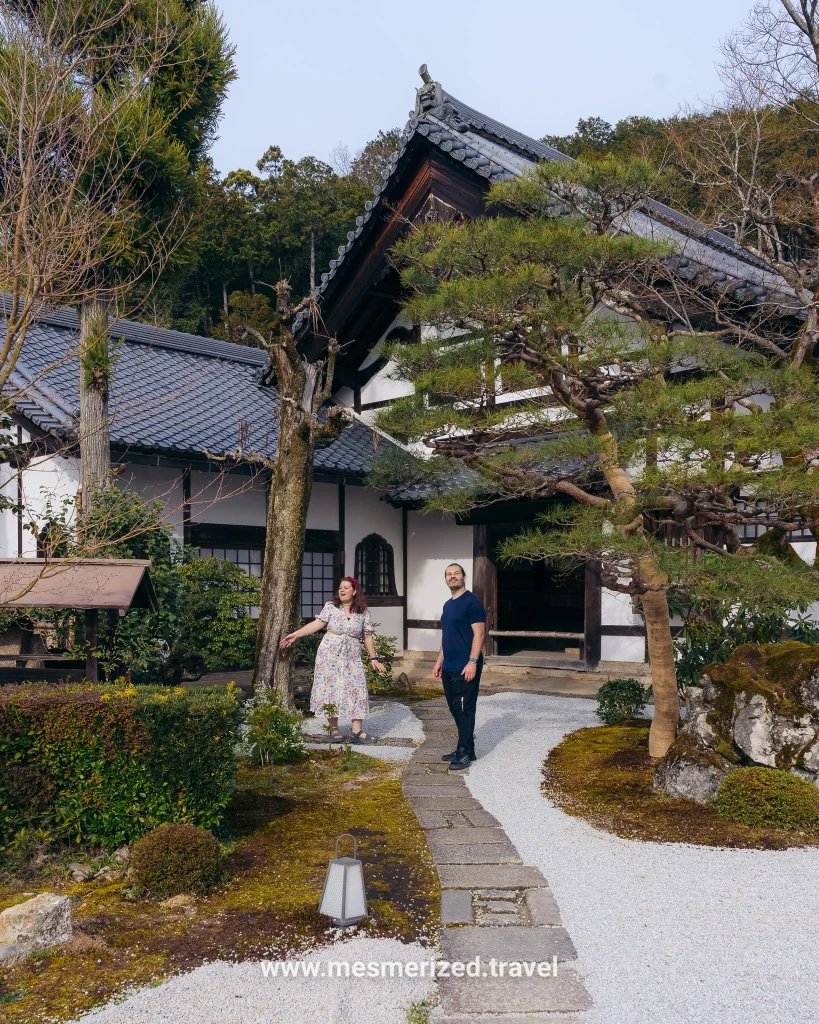
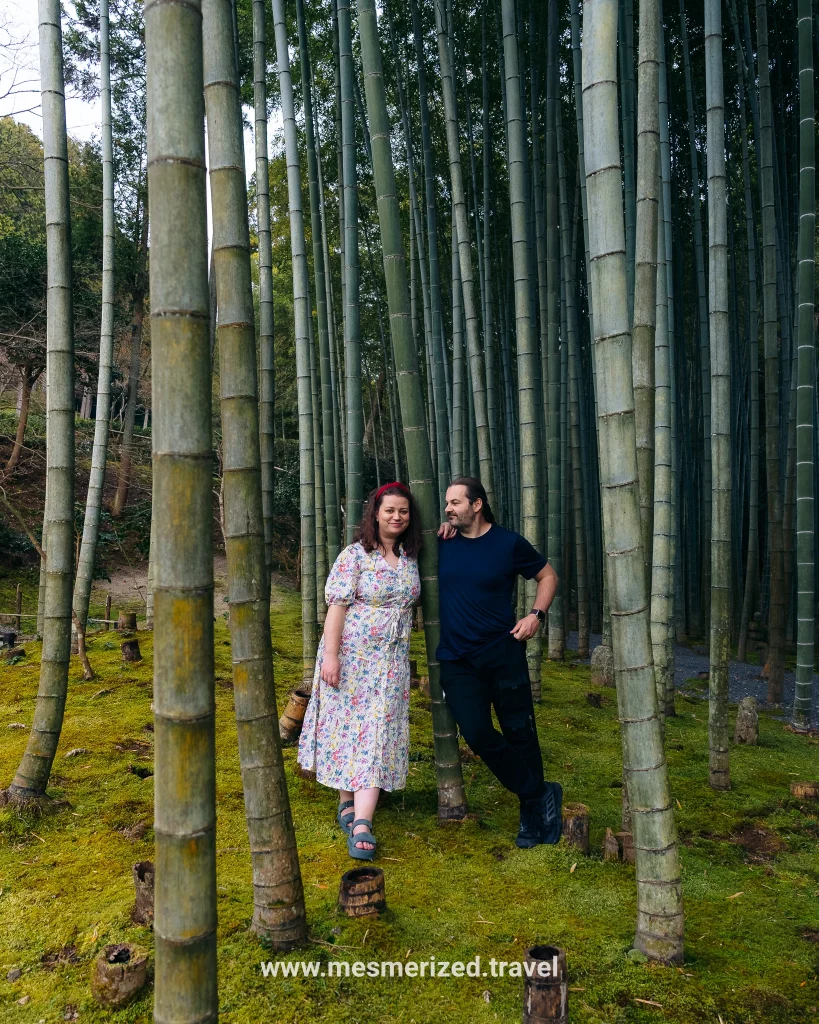
Japanesse zen gardens have this calming effect on you when you enter them. I remember we stayed until closing time here because it was so peaceful and relaxing.
Try Unique Kyoto Activities
Kyoto isn’t just temples and gardens. You can join a cooking class to learn how to make sushi or wagashi (traditional sweets), try Zen meditation at a temple, take a sake tasting tour, or even join a samurai experience class where you learn sword techniques. I’ll list bellow some of the popular activities you can try.
How to Get Around Kyoto
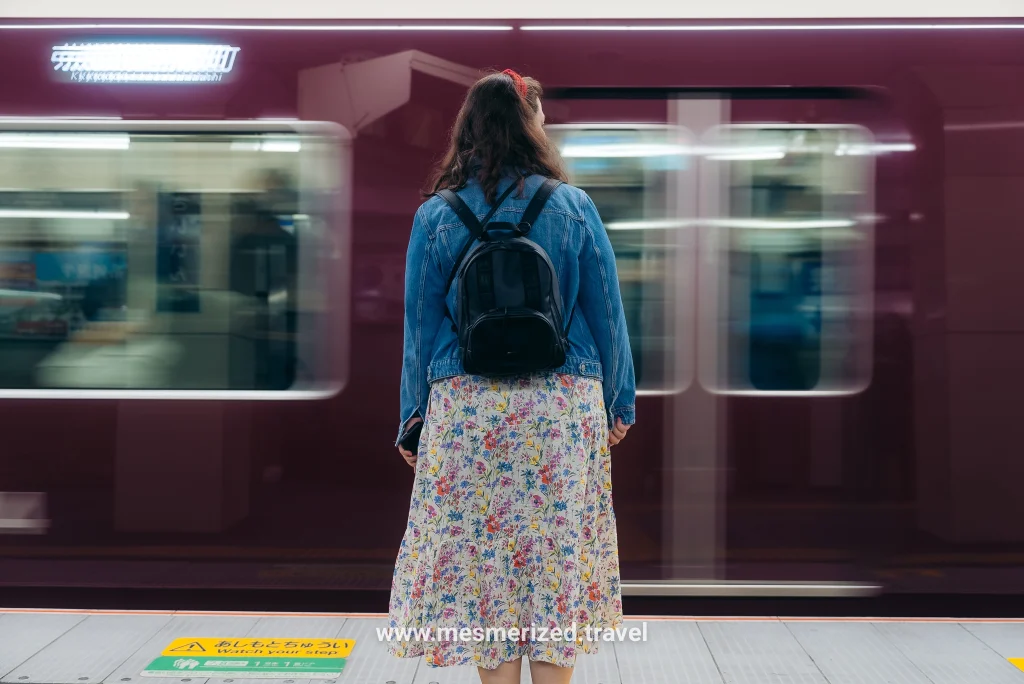
Kyoto’s public transport is excellent and will get you almost anywhere you need to go. And you can pay for public transport with your Suica or Pasmo!
- Buses are the main way to reach many temples, especially in northern and eastern Kyoto. The Kyoto City Bus & Kyoto Bus One-Day Pass is 700 yen and can be bought from bus stations or inside some buses.
- Trains & Subways are great for longer distances, like reaching Arashiyama or Fushimi Inari.
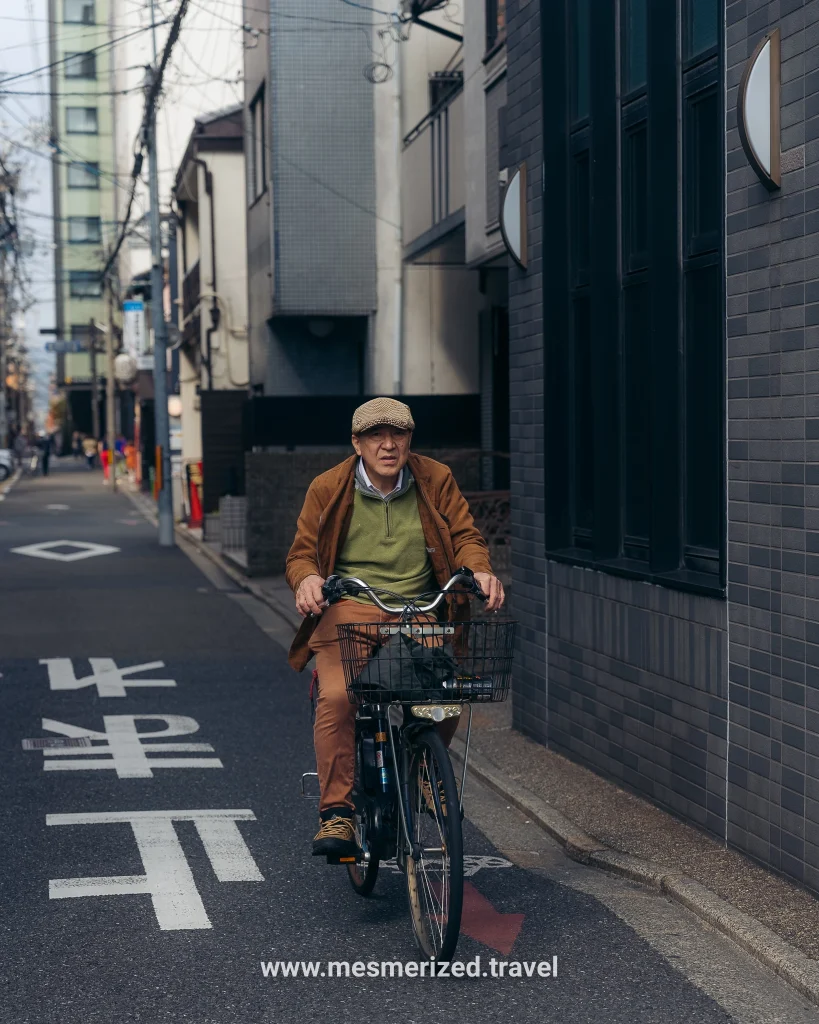
- Walking & Cycling are perfect in central areas like Gion, Higashiyama, and downtown Kyoto. Many hotels and rental shops offer bikes for 1,000 yen a day.
Best Time to Visit Kyoto
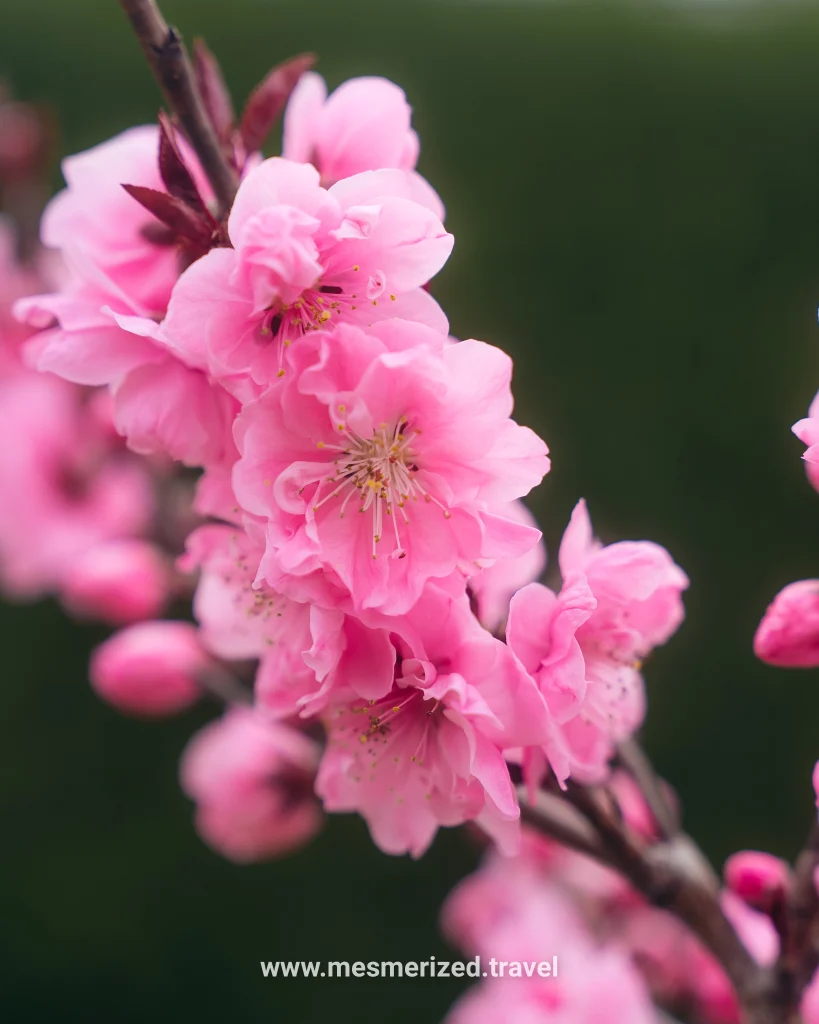
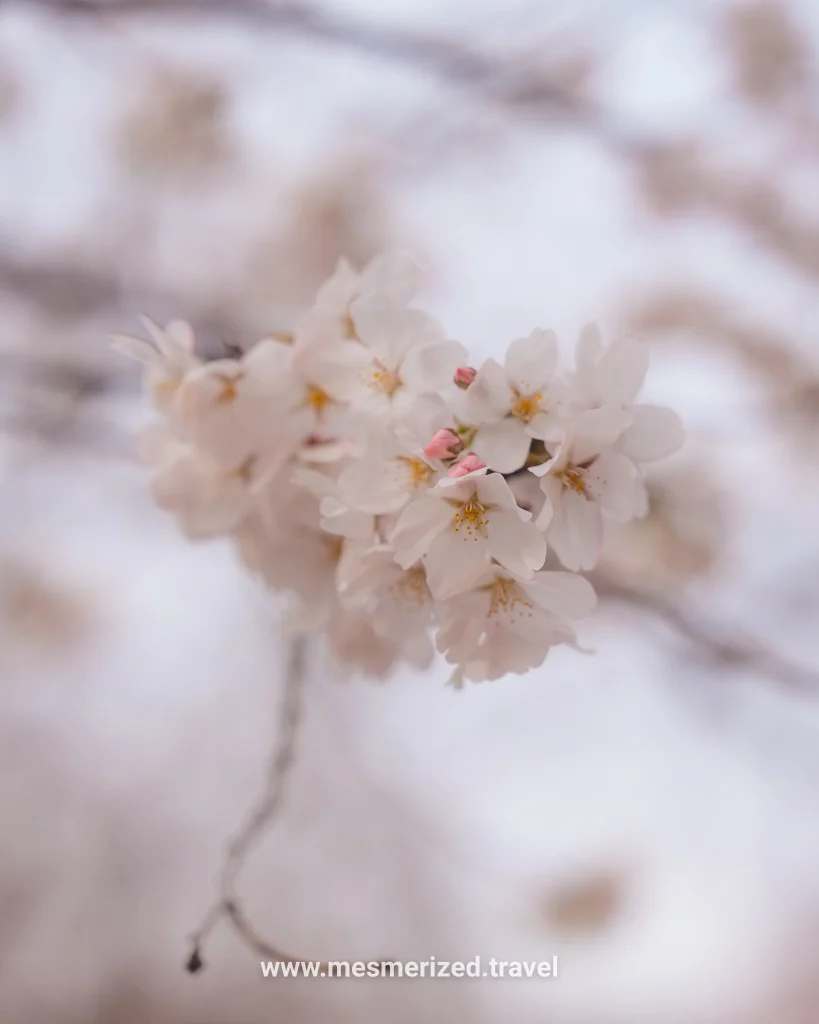
Kyoto is stunning year-round, but spring (late March–early April) and autumn (mid-November) are especially magical with cherry blossoms or autumn leaves. These are also the busiest seasons, so book accommodation early. Winter brings fewer crowds, while summer can be hot and humid but lively with festivals.
Where to Eat in Kyoto
Kyoto has some great choices for food. Matcha sweets are specialties here, but you’ll also find cozy ramen shops, wagyu beef restaurants, and street food stalls.
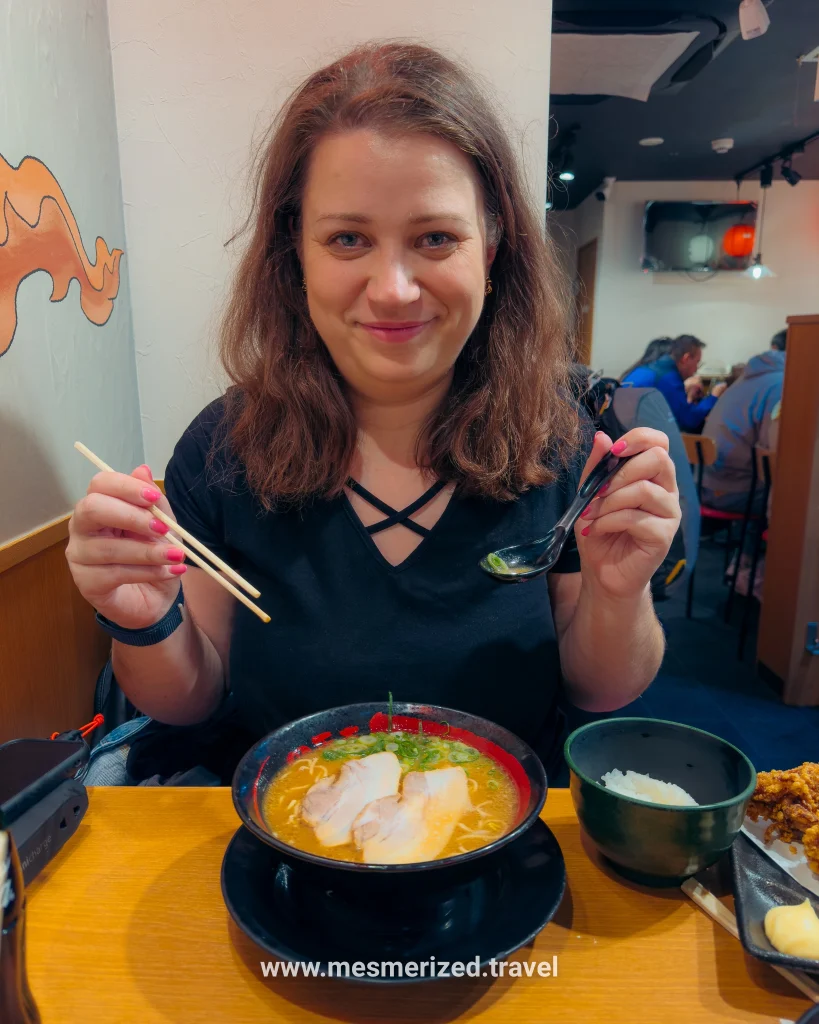
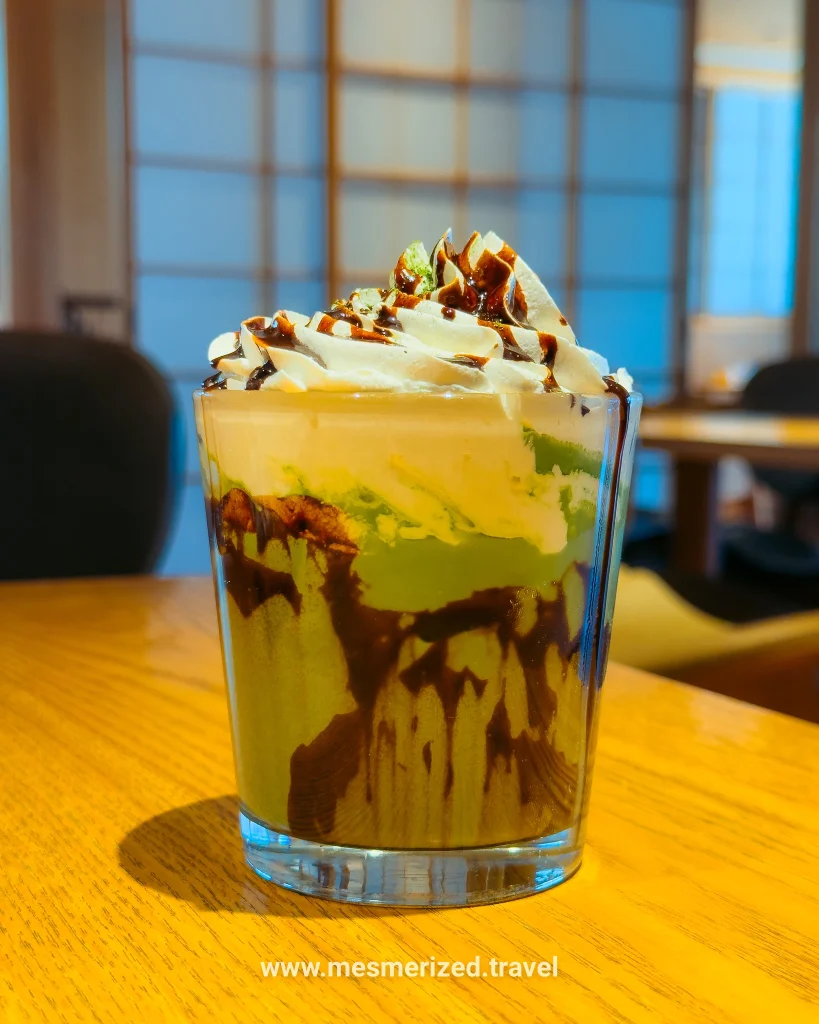
Here are some of the places where we had great food, and some that we’ve saved but didn’t have enough time (there are not enough meals in a day!) to go to:
- Maccha House – maccha in all its form: ice cream, coffee, tiramisu, parfait.
- Gyukatsu Kyoto Katsugyu – had the best gyukatsu here, tender beef that you can finish on tabletop grill
- Mister Gyoza – ramen and gyozas
- Ikkyu-An – traditional Japanese sweets
- Pizzeria da Ciro – if you’re craving pizza, this is the place
- Iicho Ramen – simple menu, great ramen
- Musoshin – great ramen place
- Kobe Beef Steak Mouriya Gion – the price is very high, but so is the quality, the chef cooks everything to perfection in front of you
- Gion Nikutei Shin – also high in the price, but so worth it

We really, really liked Kyoto. It gave us such a true look into Japan’s history, from old streets to quiet temples, and even the nature around the city felt special. It honestly surprised us how much we connected with it, Kyoto made us feel closer to Japanese culture than anywhere else on our trip.
Until next time, be mesmerized 🩷