Because of its location between Sicily and North Africa, Malta has a fascinating mix of cultures. You’ll find Arabic influences all over the island in houses, language, Italian flavors in the cuisine, and British quirks in daily life (yes, they drive on the left!). So let’s dive in!
Valletta
Malta’s capital, Valletta, might just be one of the most beautiful cities in Europe and it completely mesmerized us(no pun intended). Built on a hill overlooking the sea, it’s small but full of charm, and every corner feels like it belongs in a movie. We loved wandering through its narrow streets lined with colorful balconies and golden limestone buildings glowing in the sunlight. It’s also officially the sunniest city in Europe, and we can confirm, a week here in December, no bad weather, on 2 separate occasions.
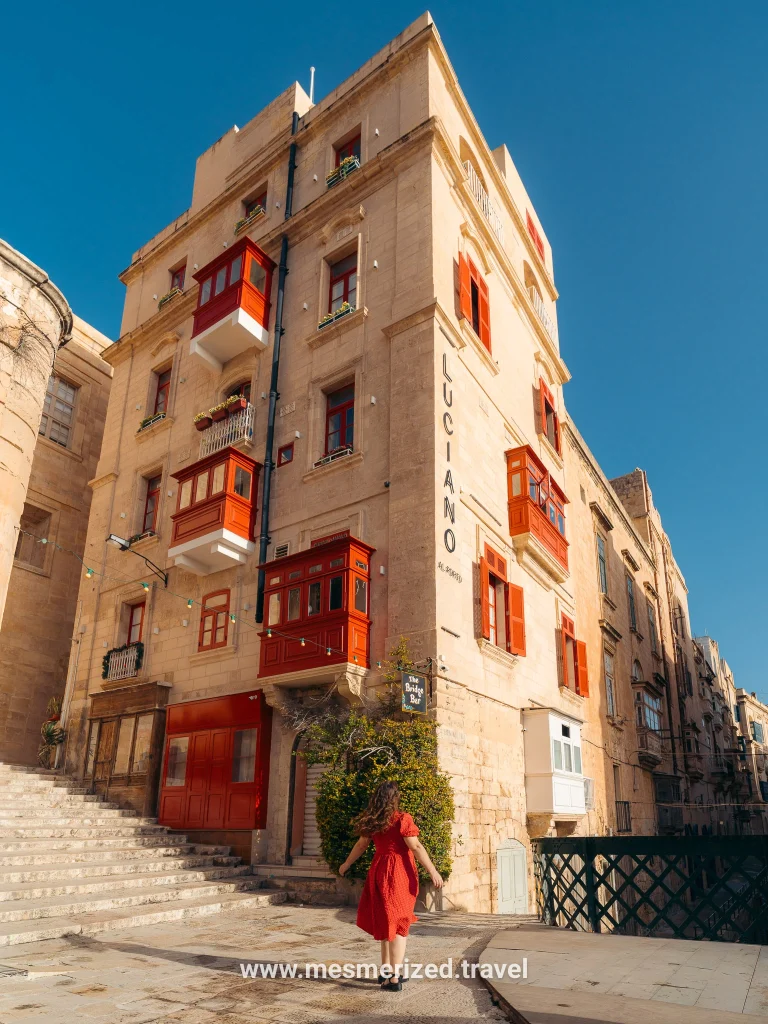
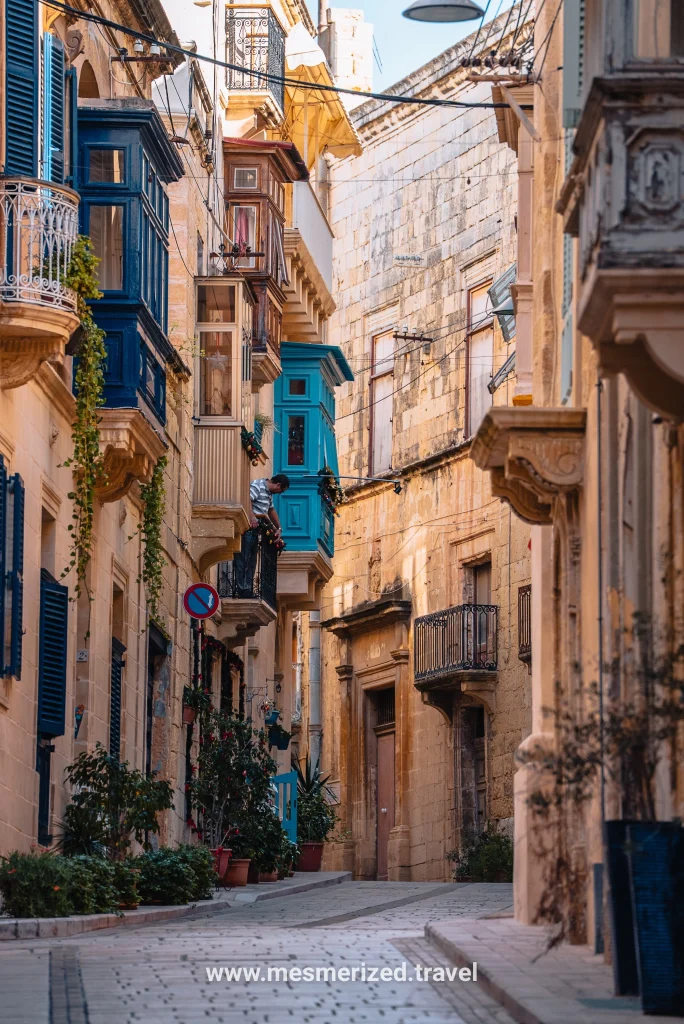
Walking here means a lot of stairs and hills, but the views make every step worth it. From the Upper Barrakka Gardens, you get sweeping views of the Grand Harbour, and the whole city glows golden in the sunlight. Don’t forget to look up, above doorways you’ll spot statues of saints, and even one said to mark an old brothel. It’s these little quirks that make Valletta so interesting and why we love it so much. And if you’re near the gardens at noon, be ready, the cannon firing tradition might make you jump like we did!
Don’t know where to start in Valletta, we got you covered!
Mdina (The Silent City)
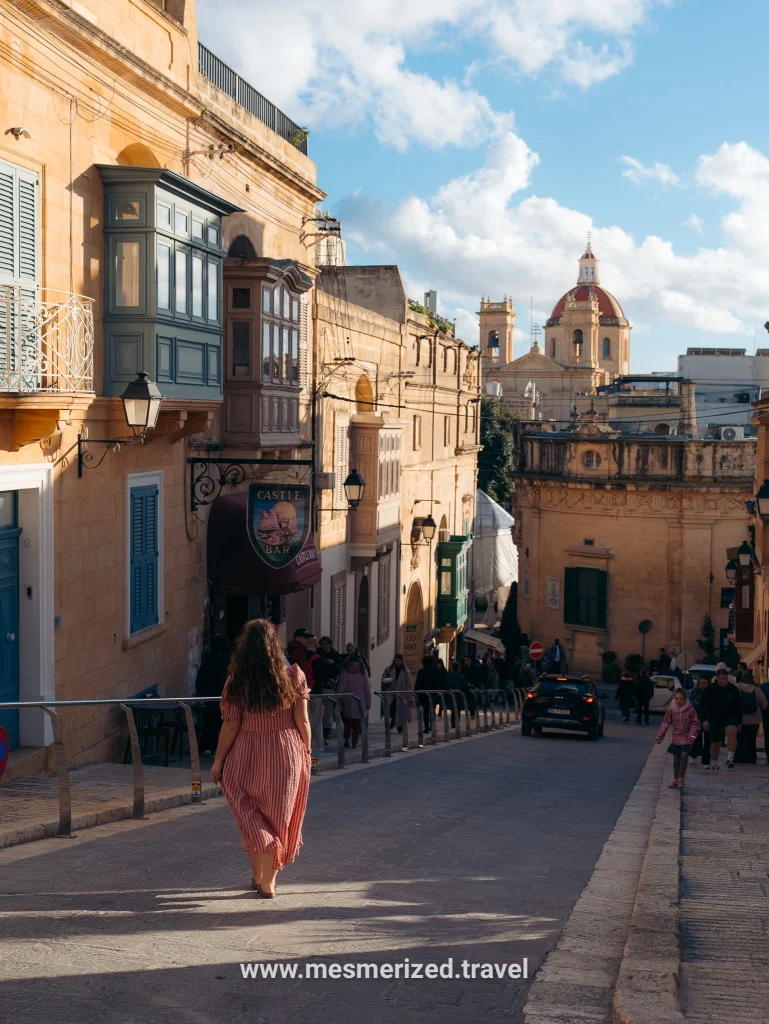
Right in the heart of the island sits Mdina, Malta’s old capital. Known as the Silent City, it’s quiet, peaceful, and feels like stepping back in time. Cars are mostly banned inside the walls, so you can wander freely through narrow alleys and courtyards surrounded by yellow coloured stone. The city’s history goes back more than 4.000 years, and it’s even mentioned in the Bible as the place where St. Paul stayed after being shipwrecked on Malta.
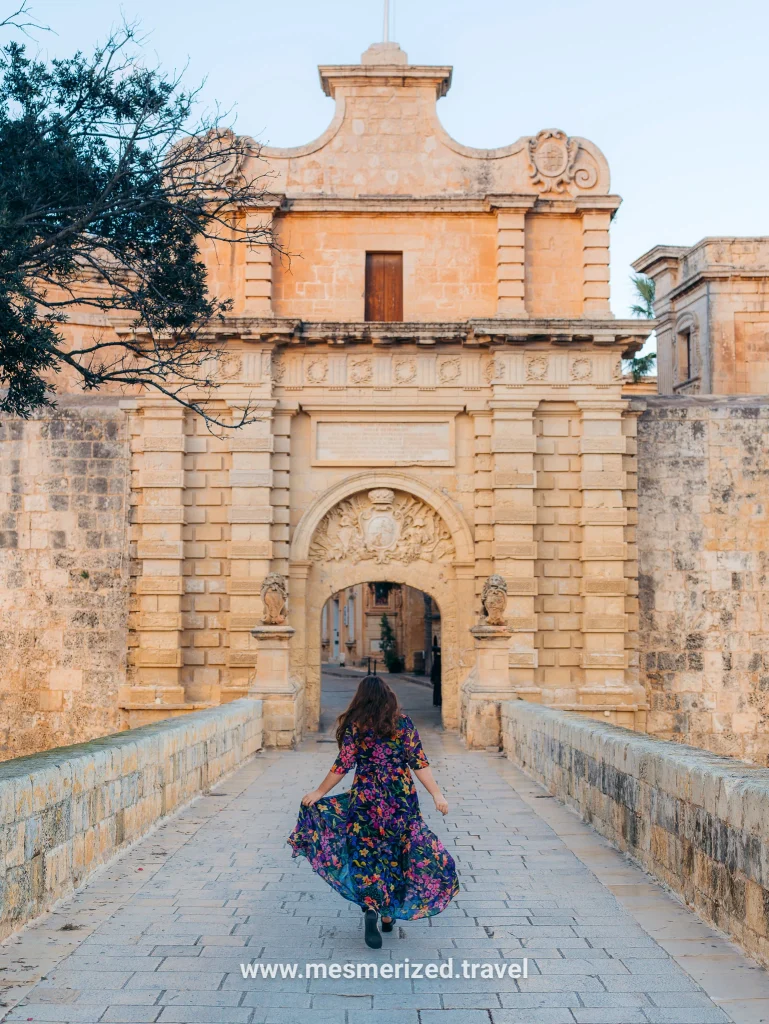
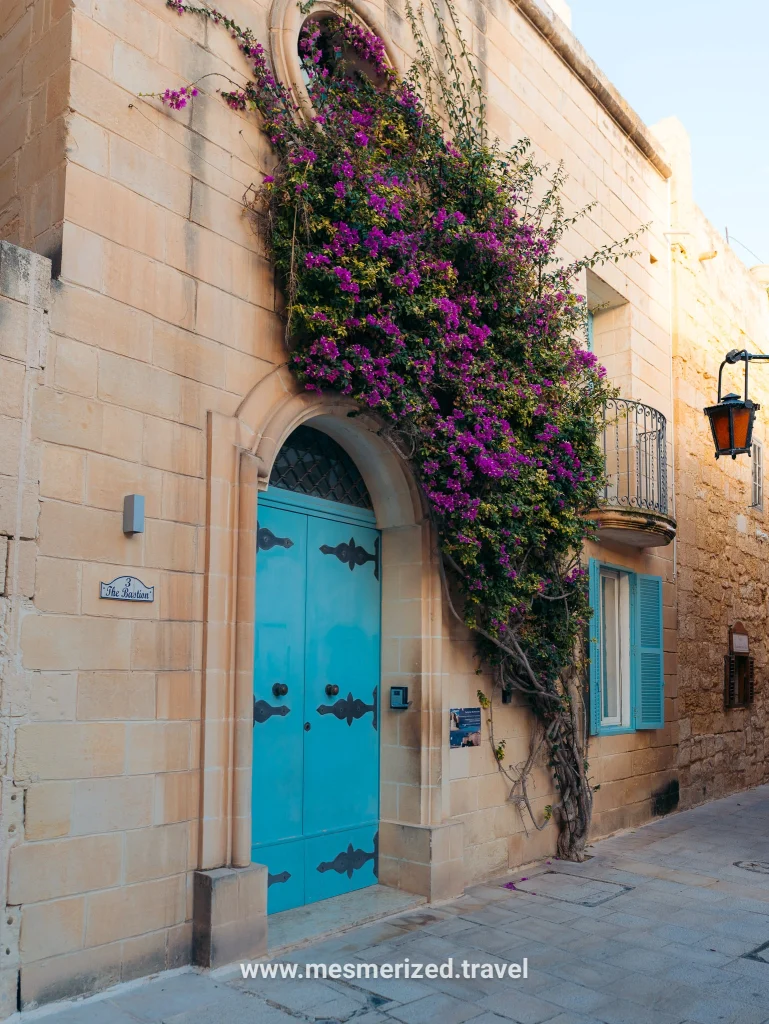
From the city walls, you can see all the way to the sea. At sunset, the golden light over the countryside is absolutely magical. We actually came here twice just to watch it again and catch those golden sunshine rays.
Marsaxlokk Village
This colourful fishing village looks straight out of a postcard. Lined with bright traditional boats called luzzu, Marsaxlokk is Malta’s most photographed harbour. The boats are painted in bright shades of blue, red, and yellow, often with an eye symbol on the front to protect fishermen at sea.
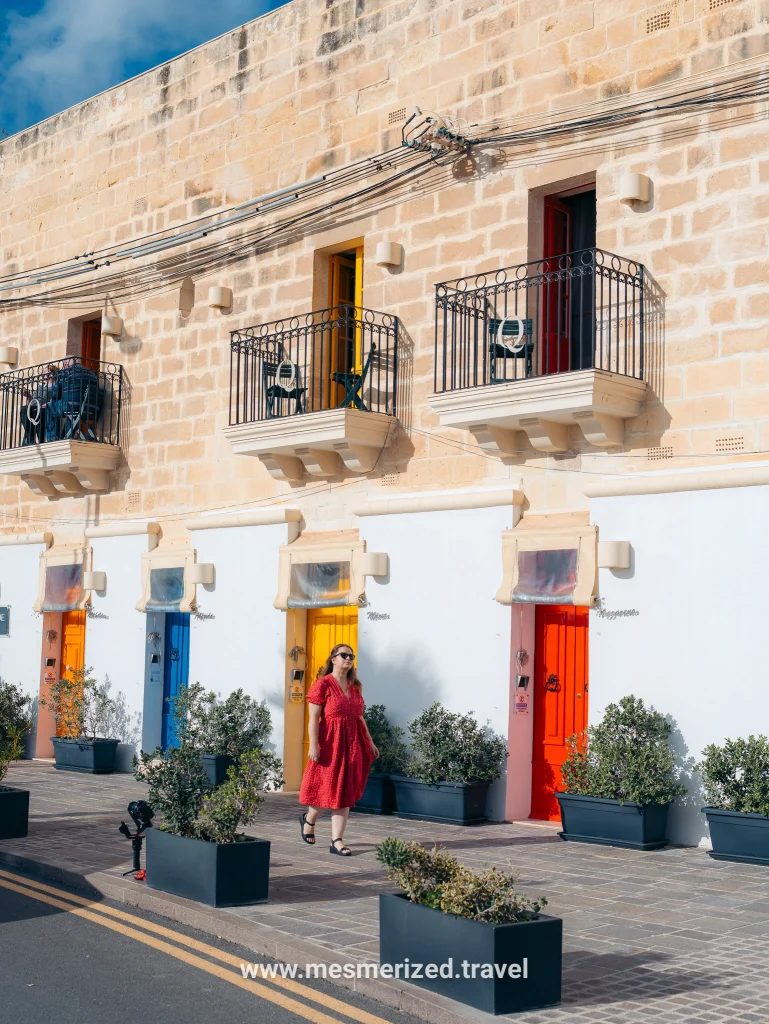

Sundays are especially lively thanks to the local fish market, where you can find everything from freshly caught octopus to handmade crafts. We spent an entire day here just walking along the waterfront, taking photos, and just enjoying the views.

Popeye Village
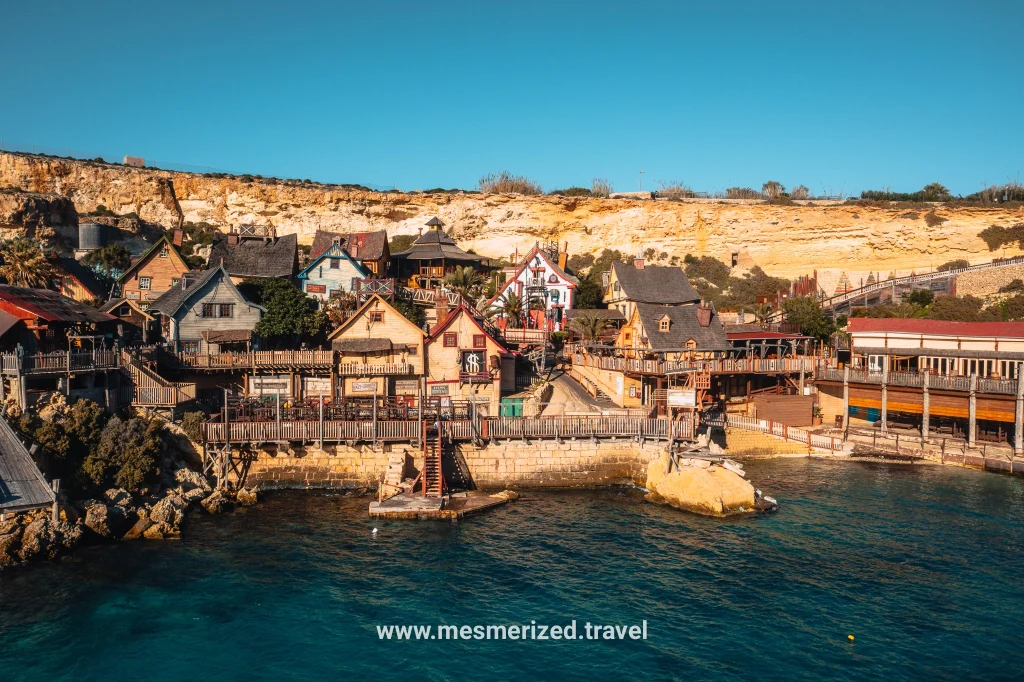
Originally built as the film set for the 1980 musical Popeye starring Robin Williams, this colourful seaside village has now become one of Malta’s quirkiest attractions. The wooden houses, small harbour, and cliffs make it a fun photo stop, even if you don’t go inside. We viewed it from the nearby cliffs. If you’re traveling with kids, though, it’s worth visiting for the playful shows and family activities.
Blue Lagoon (Comino Island)
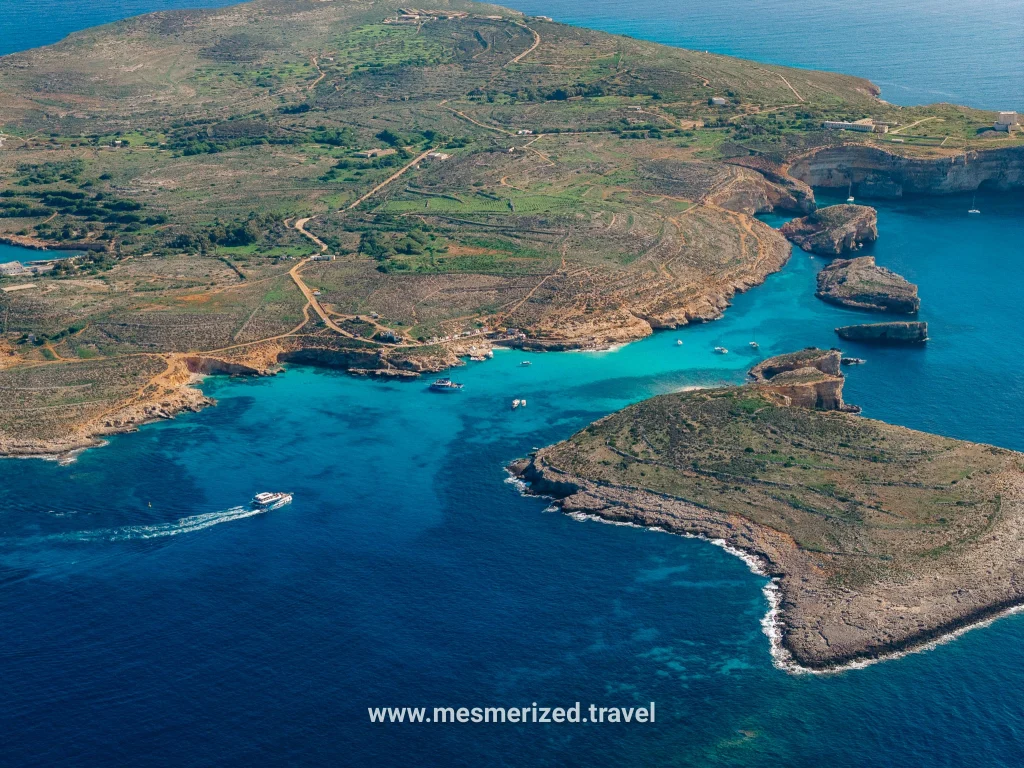
The Blue Lagoon is probably Malta’s most famous natural attraction. Located on Comino islanda, it’s a shallow bay with turquoise waters so clear you can see the sand below. It’s a paradise for swimming, snorkeling, or just relaxing on a boat.
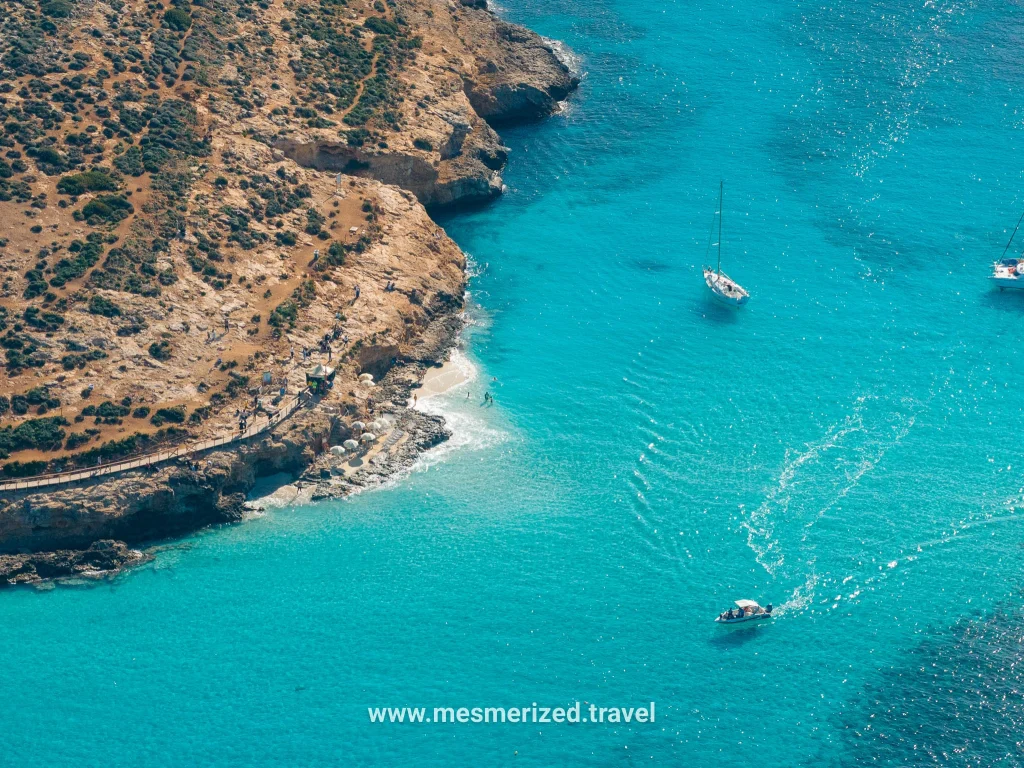
In summer, it gets crowded, but even from the ferry, the colour of the water looks unreal. We passed by on our way to Gozo and added it to our list for next time if we visit in summer.
Gozo Island
Just a short ferry ride from the main island, Gozo is quieter and more rural, perfect for a day trip or overnight stay. It’s known for its cliffs, ancient temples, and picturesque villages. Don’t miss the salt pans near Marsalforn, pools carved into the rock that have been used to collect sea salt for centuries. From above, they look almost like modern art.
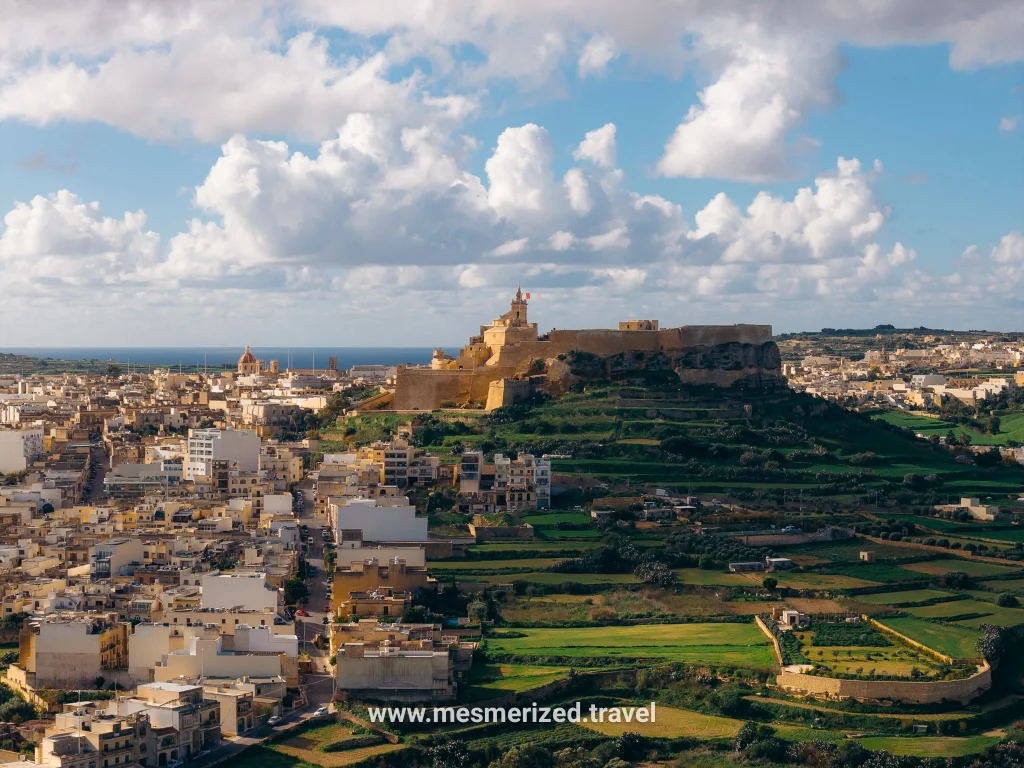
Gozo is also great for diving, hiking, or simply relaxing by the sea. And if you’re a history lover, check out the Ggantija Temples, they’re older than the pyramids of Egypt. We always enjoy exploring these kind of things.
Follow our guide and spend a day on Gozo!
St. Peter’s Pool
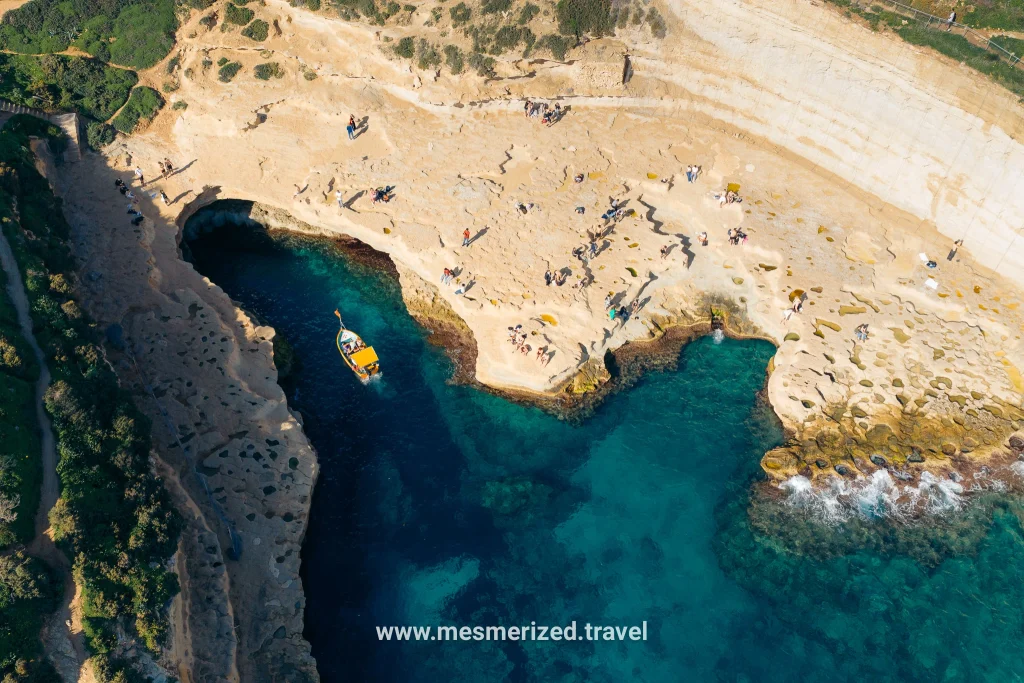
One of Malta’s most beautiful swimming spots, St. Peter’s Pool is a natural rock formation with crystal-clear water. It’s located near Marsaxlokk and popular among locals for cliff diving and sunbathing. The walk down can be steep, but once you arrive, the view is breathtaking. And the pictures look amazing! We saw locals bathing here and just having fun, so if you want, bring a bathing suit.
Blue Grotto
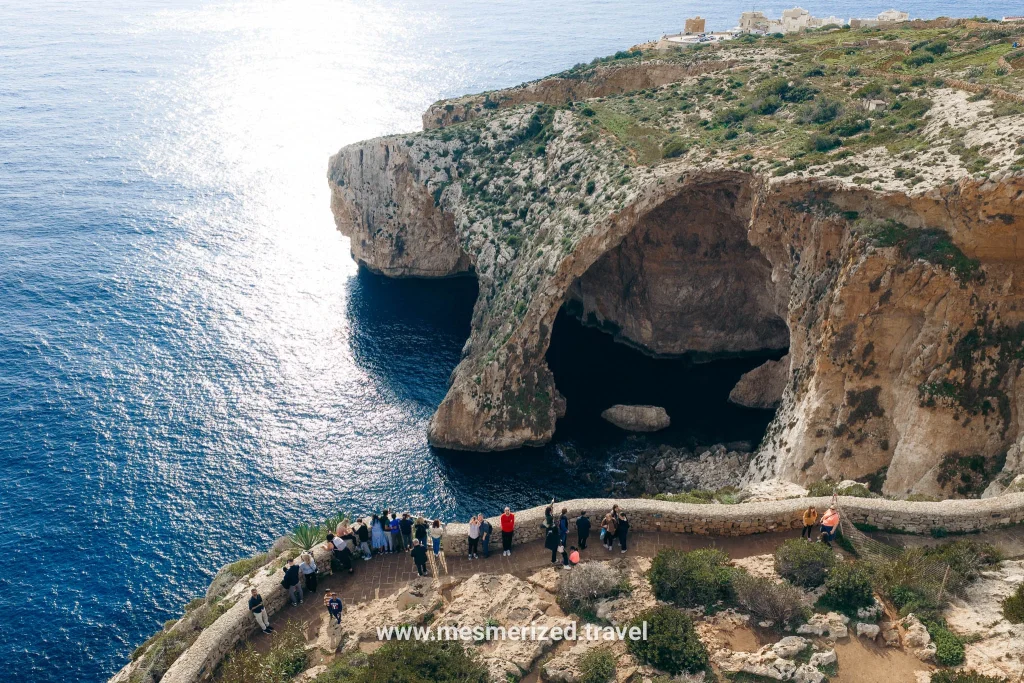
On southern coast, the Blue Grotto is a group of sea caves that glow this deep, almost unreal blue when the sunlight hits the water just right. From above, it already looks beautiful, but the real experience is going inside.
There are plenty of small boat tours that take you through the caves, and honestly… don’t be like us and skip it. This is one thing we actually regret. We just admired it from the viewpoint, which is still nice, but seeing it up close from the water looks like a completely different experience.
If you do go, try to come early in the morning or later in the afternoon when the light is softer and the colours really show. It’s one of those places that looks good in photos, but probably even better in real life if you actually go in.
Three Cities
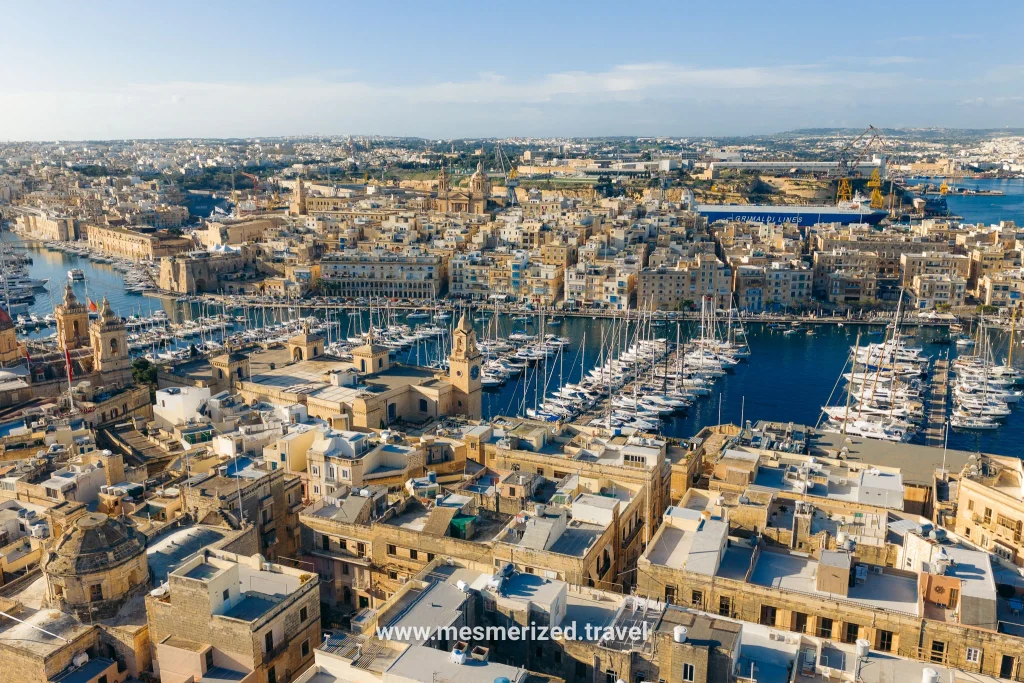
Across the harbour from Valletta, the Three Cities: Vittoriosa, Senglea, and Cospicua offer a glimpse of Malta’s maritime past. These fortified towns are less crowded than Valletta but just as charming, with narrow streets, old fortifications, and harbours filled with yachts. And something interesting, in Vittoriosa, you can even find the headquarters of the Sovereign Military Order of Malta, a Catholic order recognised as its own sovereign entity, complete with its own flag and the possibility of getting your passport stamped as a fun keepsake.
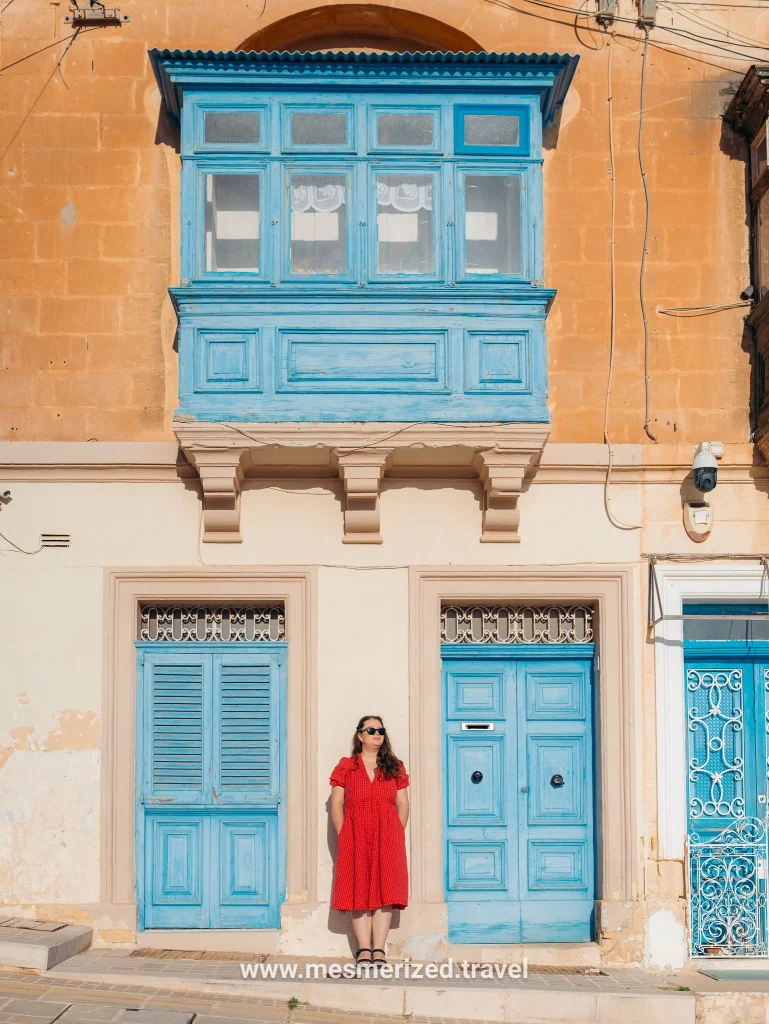
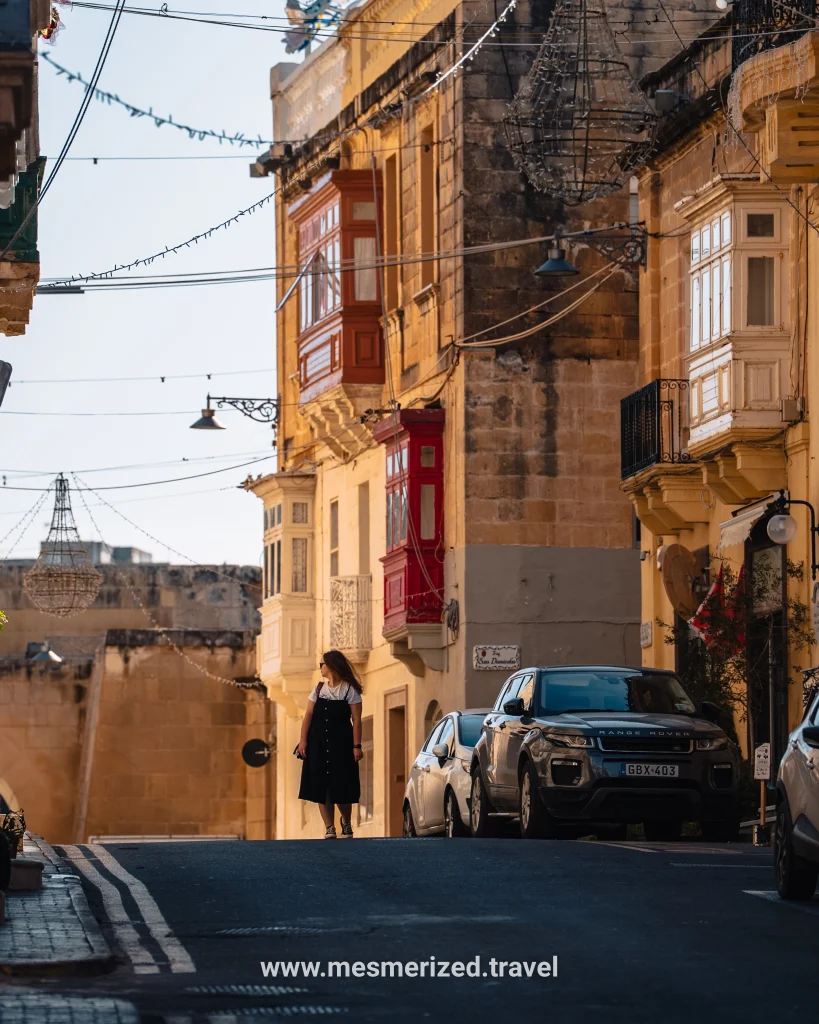
If you take the ferry from Valletta, you’ll also get one of the best skyline views of the capital on the way back.
Dingli Cliffs
If you’re looking for one of the most breathtaking views, head to the Dingli Cliffs on the island’s western coast. Standing about 250 meters above sea level, these are the highest points in Malta, offering sweeping views of the Mediterranean that seem to stretch endlessly into the horizon.
We visited around sunset, and honestly, it was one of those moments where time just slows down. The golden light reflecting off the sea, the sound of waves crashing far below — it felt peaceful and wild at the same time. There’s not much around here besides nature, a small chapel dedicated to St. Mary Magdalene, and a few benches to sit and take it all in, which makes it feel even more special.
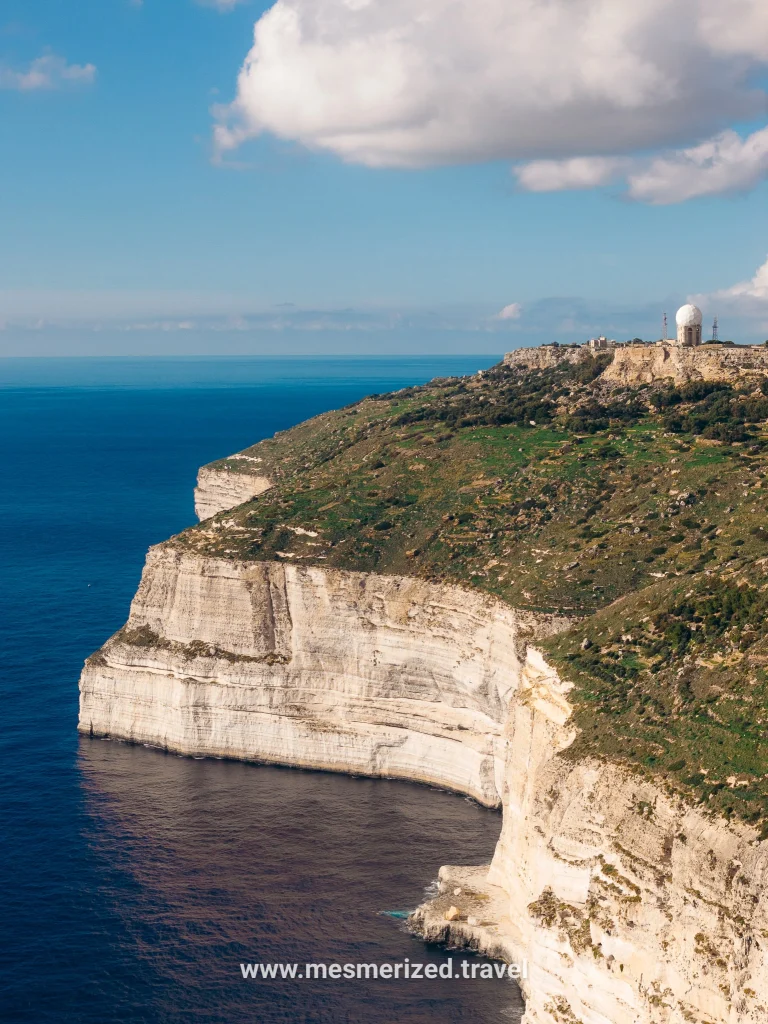
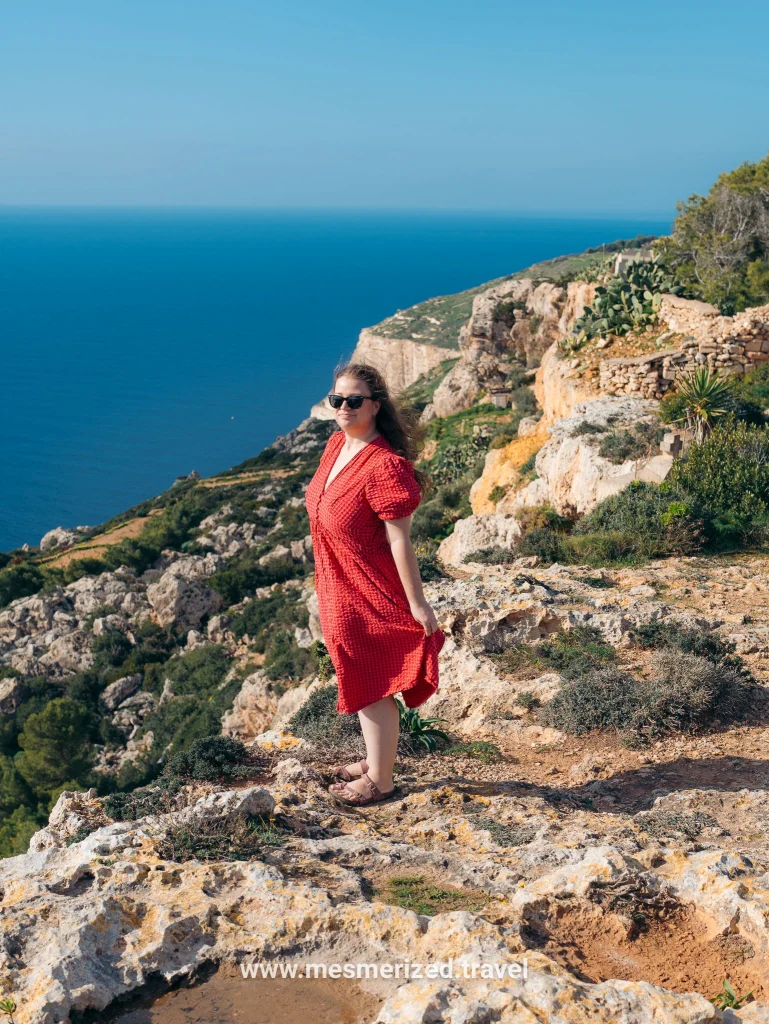
If you’re lucky, you might spot paragliders launching off the cliffs or small fishing boats far out at sea. It’s also a great spot for a short walk or to end your day after exploring Mdina or Rabat, which are just a short drive away.
Tip: bring a jacket — even on warm days, the wind here can be strong!
Best Time to Visit Malta
Malta has a Mediterranean climate, so it’s great to visit year-round. Summer (June–August) is hot and perfect for swimming but it get’s very crowded and a bit too hot for our liking, while spring and autumn offer mild weather and fewer crowds. Even in winter, temperatures hover around 15-20°C, making it ideal for sightseeing. We visited in December both times and still wore short sleeves most days. You just need a light jacket in the evening. But we would highly recommend visiting in winter, as is’t much cheaper and there are no crowds, and we hate crowds with over 30°C.
How to Get Around Malta
Malta is small, so getting around is easy. You can rent a car (just remember they drive on the left), use the public bus network, or take ferries between islands. Driving gives you the most flexibility, especially if you want to explore Gozo or visit off-the-beaten-path beaches. We rented a car both times we were there. It was so much fun, first time driving on the left, had a small car and just rolled our windows and enjoyed the islands!
Need help renting a car in Malta?
Best Restaurants in Malta
If you have a car, everything is 30 min distance from where you are, give or take. So that means you can be in a hotel in Valletta, and go have dinner at the other side of the island. Here are some restaurant recommendations all over the island, some of them are linked directly to our personal reviews with pictures:
- La Buona Trattoria del Nonno in St Paul’s Bay (Italian)
- Diar il-Bniet in Dingli (Maltese)
- Trattoria Romana Zero Sei in Valletta (Italian)
- Maldonado Bistro Gozo in Victoria (French-Italian)
- Made in Sud in St Paul’s Bay (pizza)
- La Pira Maltese Kitchen in Valletta (Maltese)
- Chang Thai Restaurant in St Paul’s Bay (Thai)
Things to Know Before Visiting Malta
- English is one of the official languages, so communication is easy
- the Maltese drive on the left side of the road
- tap water is safe to drink but has a slightly salty taste
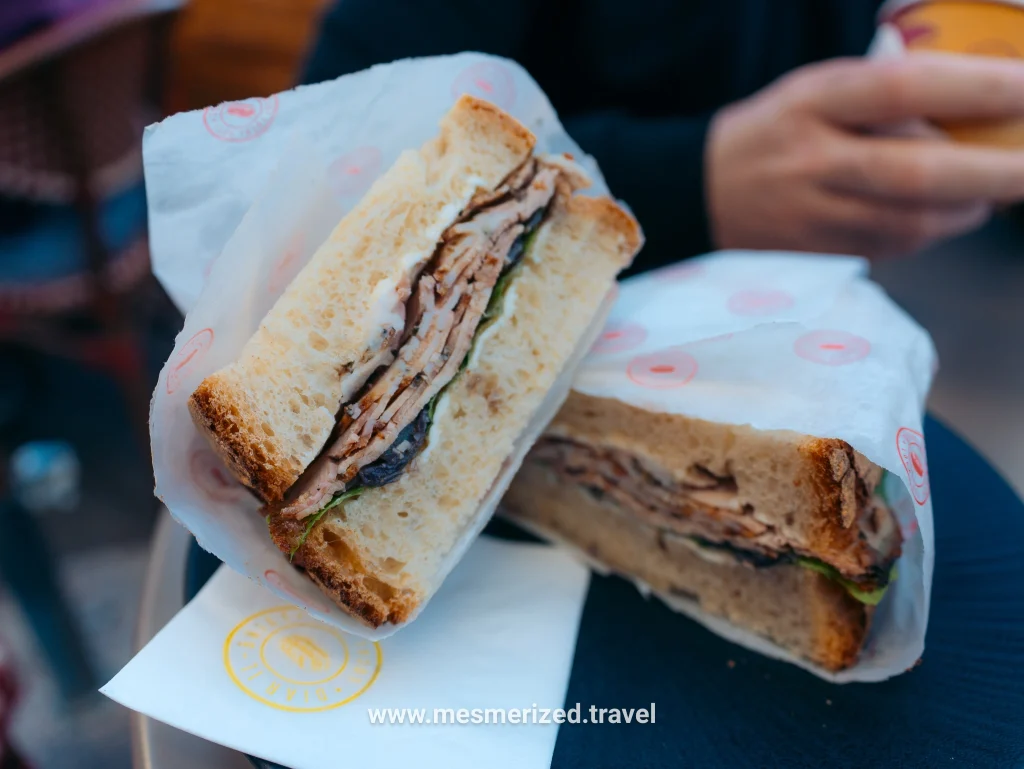
- Maltese cuisine is a delicious mix of Mediterranean and North African flavors, try rabbit stew, ftira bread, and pastizzi
- pack comfortable shoes, the streets in older towns are cobbled and hilly

Malta might be small, but there’s a lot more to it than you expect. You’ve got history, beaches, little villages, viewpoints, and honestly some really good traditional food along the way. We still dream about that Diar il-Bniet restaurant and shop. Hope this guide will help you in planning your trip to Malta.
Until next time, be mesmerized ❤️