Day 1: South Coast, Small Villages & Evening in Valletta
Start your first day by heading straight to the south of the island, it’s a much nicer introduction than jumping straight into Valletta crowds.
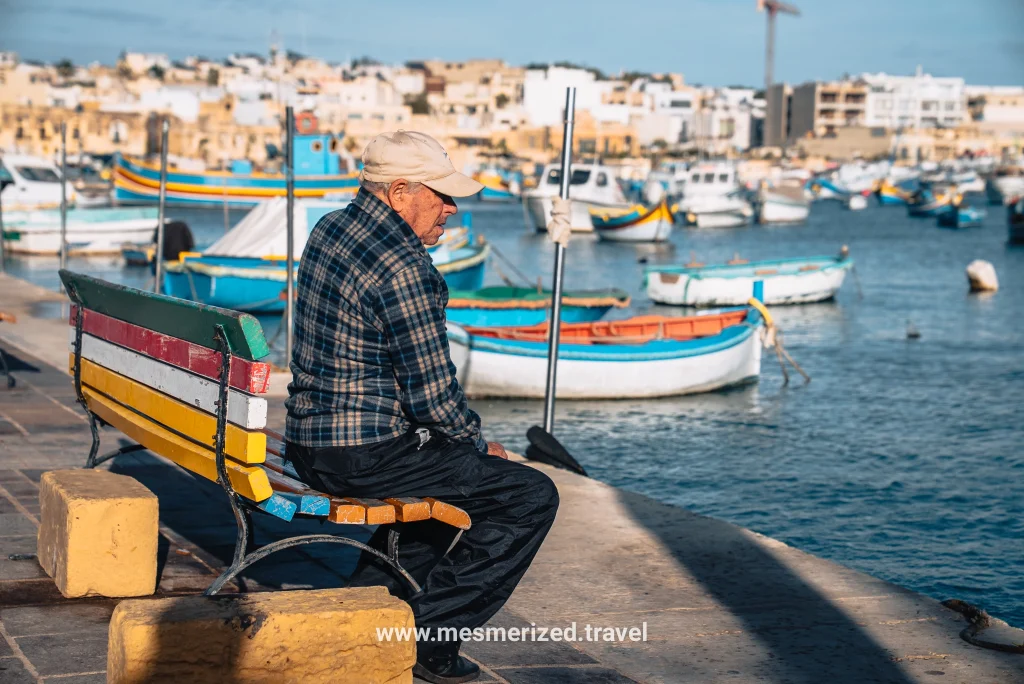
Begin in Marsaxlokk. It’s one of those places where nothing really happens, but that’s exactly why it’s nice. Colourful boats, calm water, people just going about their day. Walk along the harbour, grab a coffee, and don’t rush it.
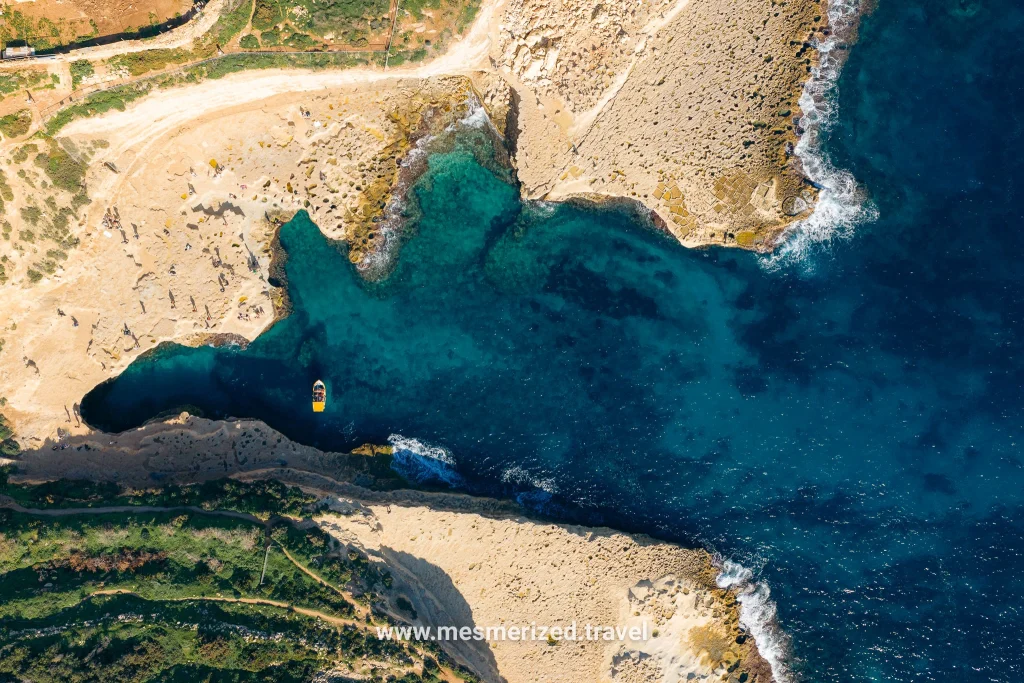
From here, you can stop by St. Peter’s Pool if you feel like it. It’s more of a quick detour than a full stop unless you want to swim, but the water is incredibly clear and worth seeing at least once.
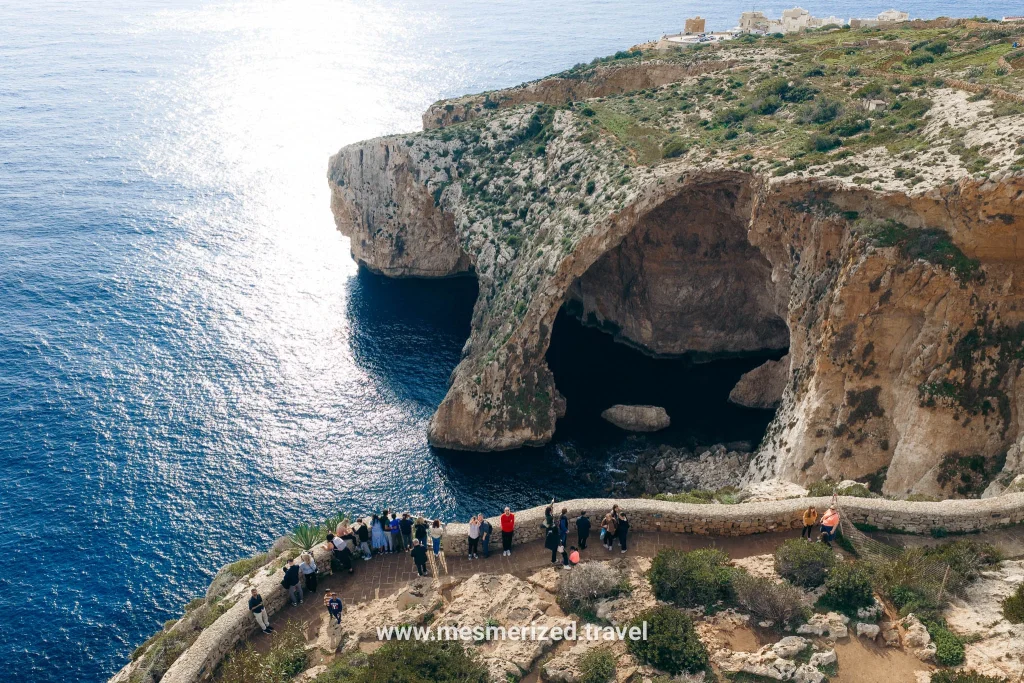
Continue towards the Blue Grotto. You’ll see it first from above, and if you have time, take one of the small boats into the caves. We skipped it the first time and still regret it a bit. In the afternoon and around noon is the best time to explore the cave as the sun lights it up.
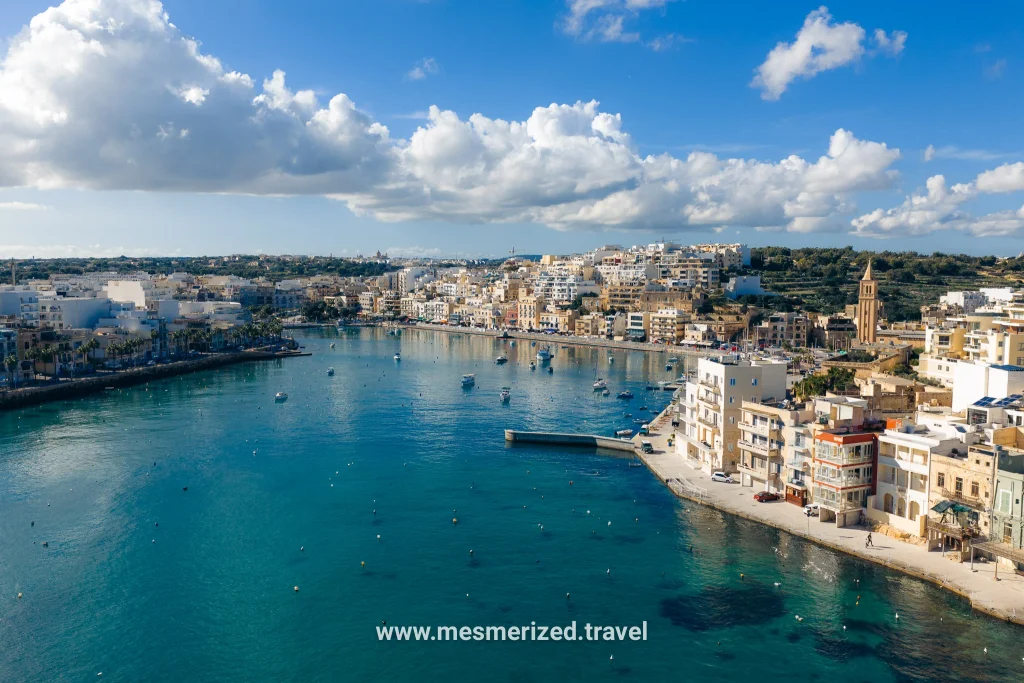
Instead of going inland, keep following the coast and head to Marsaskala. It’s quieter, more local, and honestly just a nice place to slow down again for a bit. Sit by the water, maybe grab something small to eat, and just enjoy it.
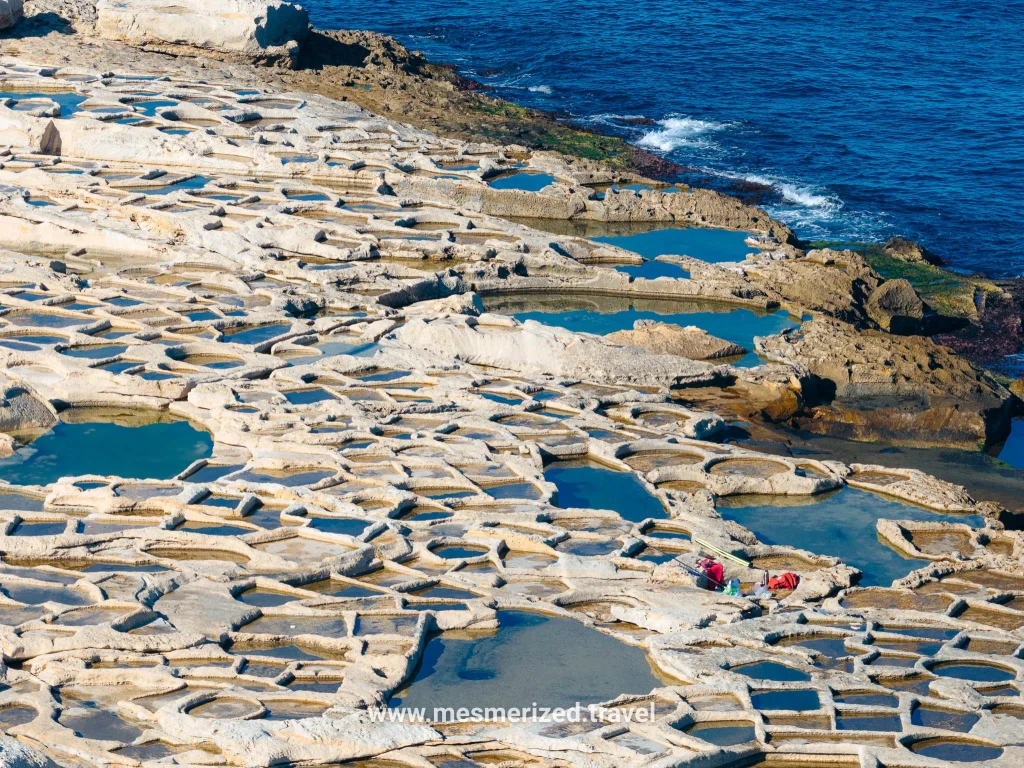
And there are also beautiful Darmanin Salt Pans here, you can visit and enjoy the view and this century old tradition of sea evaporation.
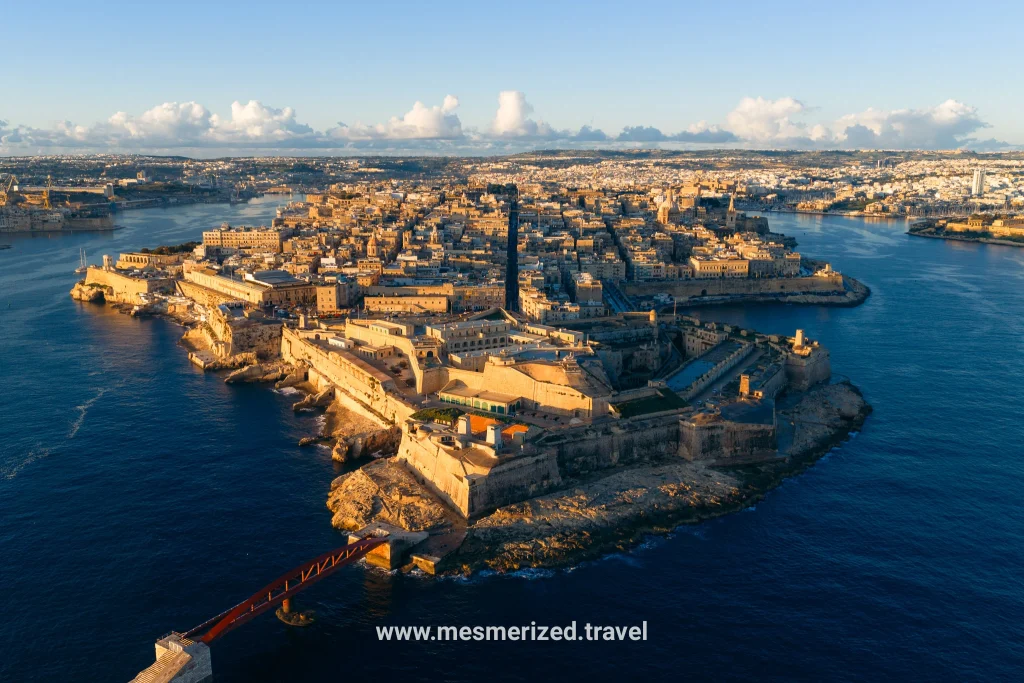
In the evening, make your way to Valletta, or if you’re staying nearby, just walk along the sea in Sliema and enjoy the best view of Valletta in our opinion.
Restaurant recommendations in Sliema:
- Lou’s Bistro Mix of everything, but very good food
- one thai kitchen Thai restaurant
- Lina’s Maltese bistro by Cuccagna Maltese restaurant
Day 2: Central Malta, Mdina & Traditional Dinner
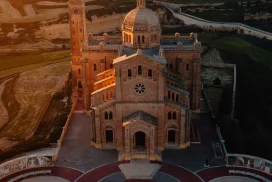
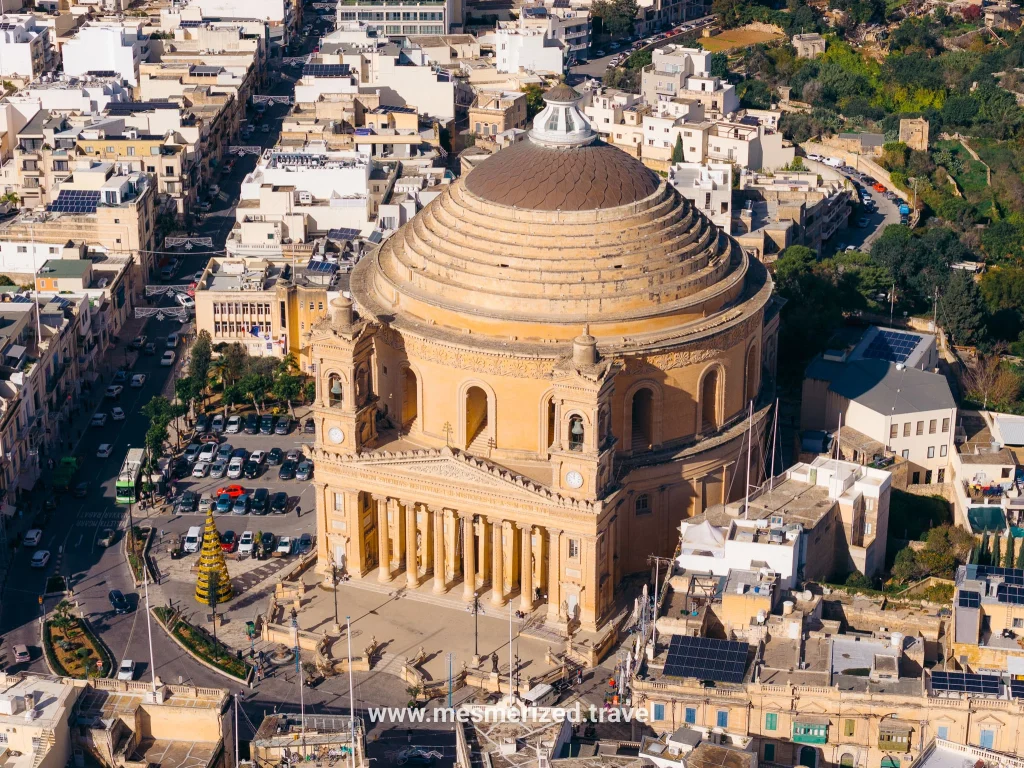
Start your day with Mosta Rotunda.
From the outside it looks impressive, but once you step inside, it’s something else. The dome is massive, and it’s one of those places you don’t expect much from and then end up standing there for longer than planned.
From here, continue to Rabat, just next to Mdina. It’s a bit more local, less polished, and a nice place to walk through before heading into Mdina.
This is where the pace completely changes. Less noise, fewer people, no cars. It almost feels like the island pauses here.
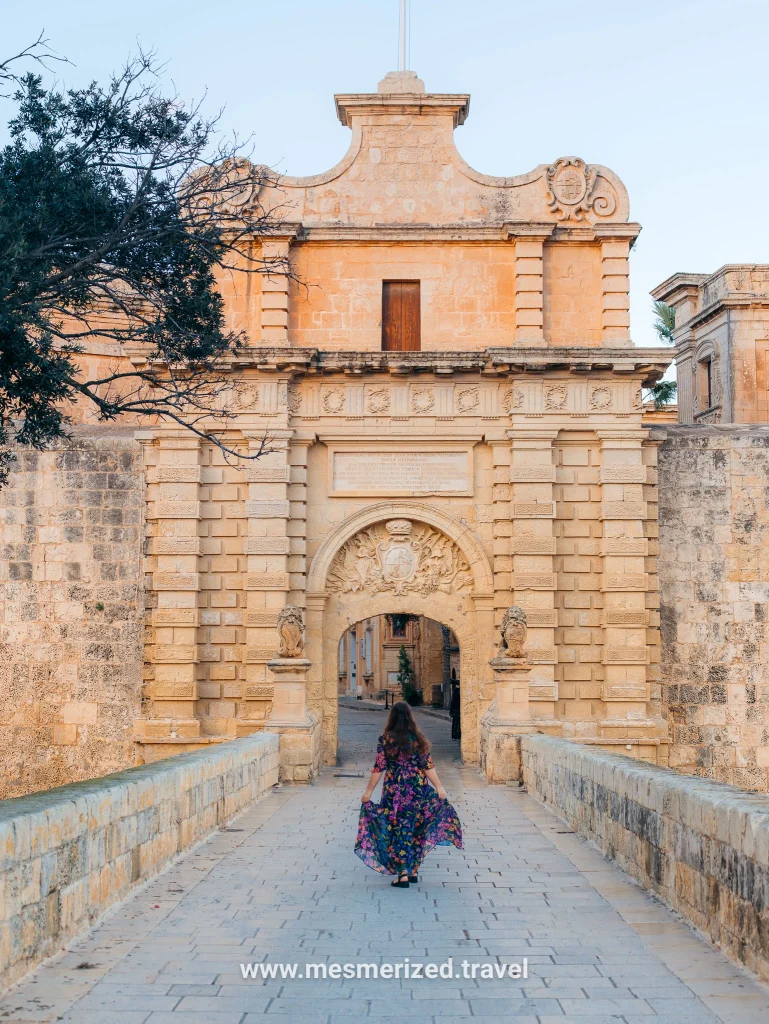
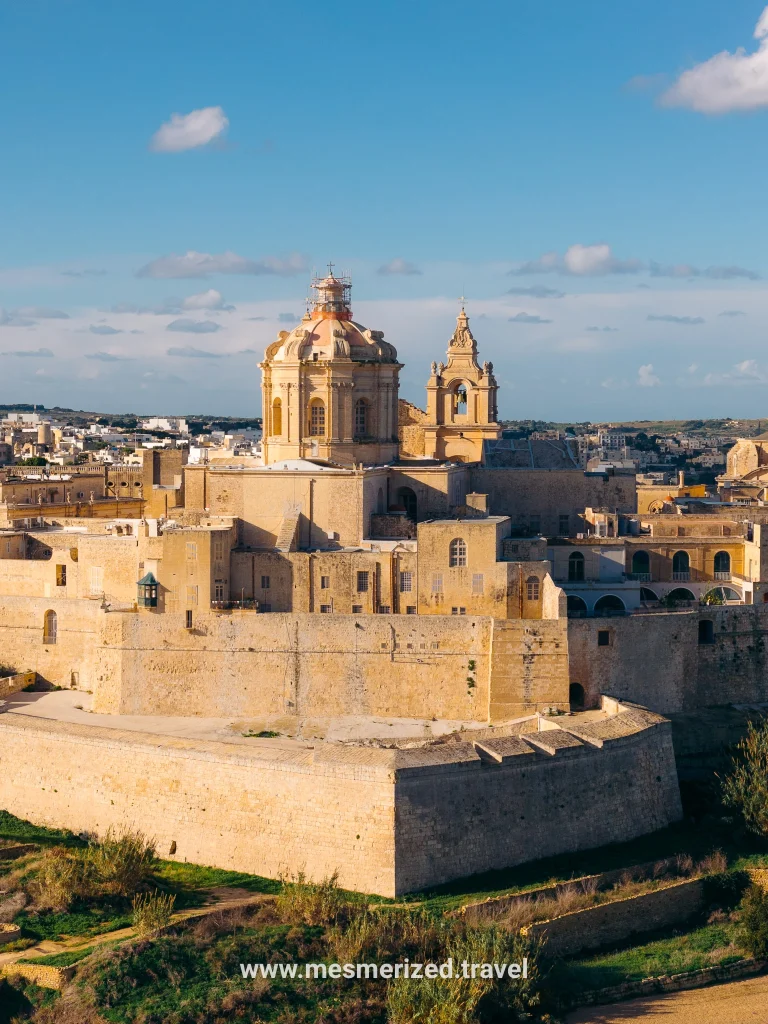
Don’t try to “see everything”. Just walk. Turn into random streets, stop when something looks interesting, then keep going.
It’s more about the feeling than the checklist.
Continue to Dingli Cliffs.
This is not a long stop, but it’s one you’ll remember. Open horizon, nothing in front of you, just sea and sky.
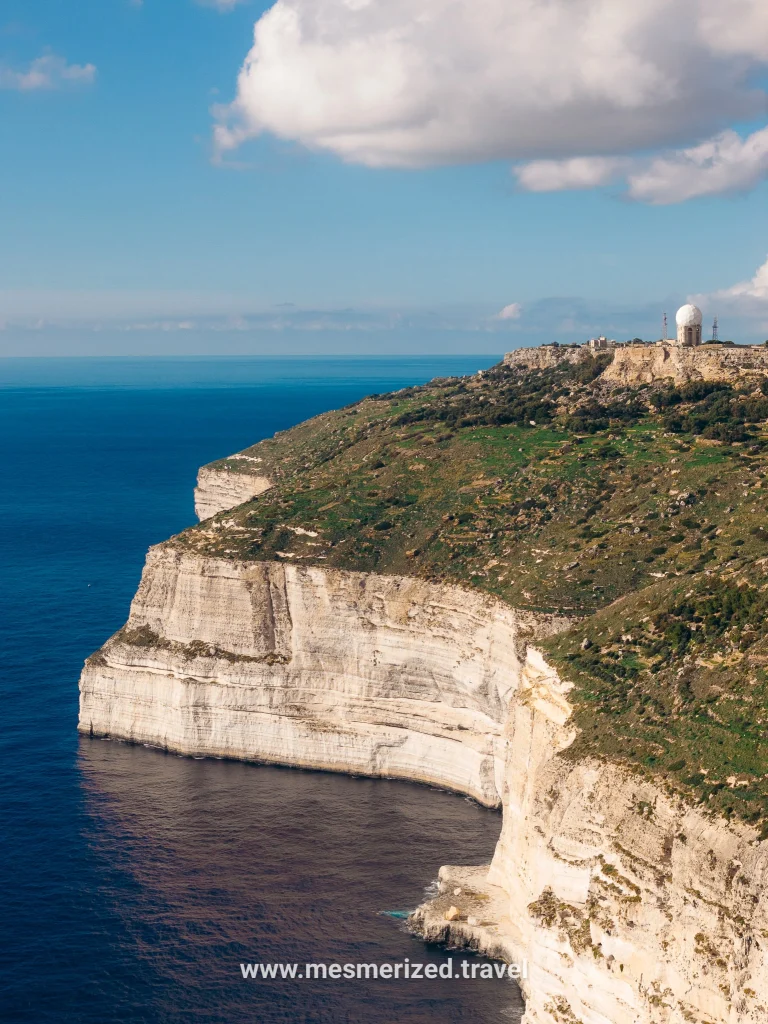
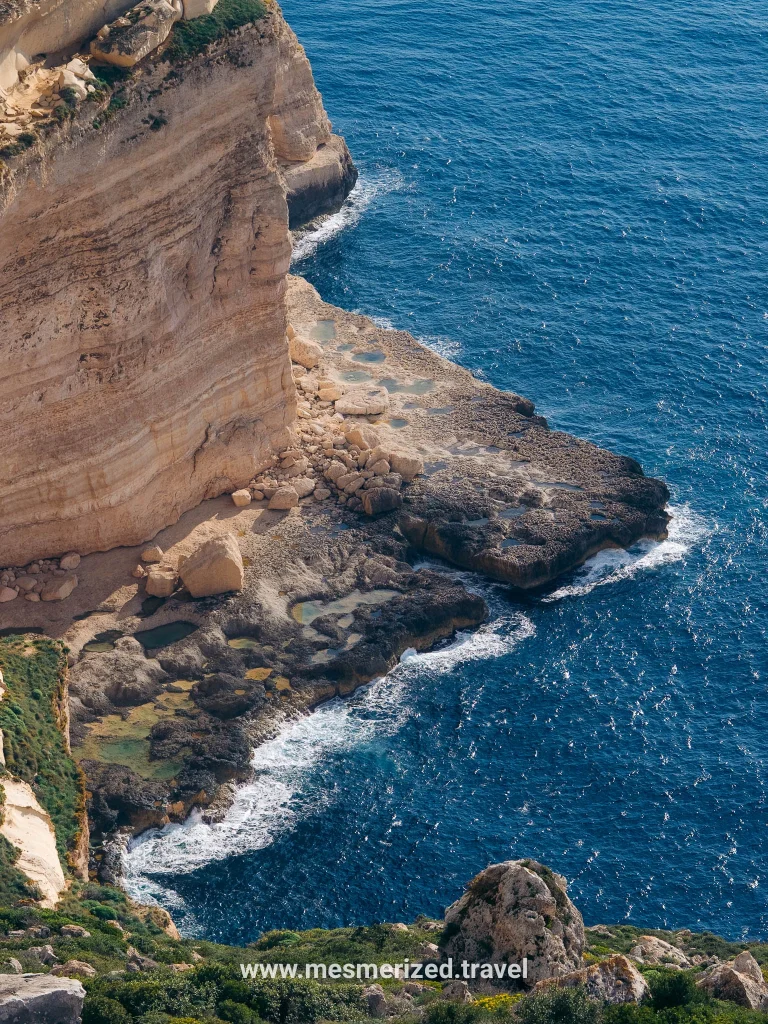
Stay for sunset if the weather is good. It’s simple, but really good. There are benches nearby, just sit enjoy the calm.
And by now, we think you are ready for a proper Maltese dinner.
Diar il-Bniet is the place for the best food on this island. Local food, big portions, and everything tastes like it came straight from someone’s home kitchen.
On our first visit to Malta we didn’t book this restaurant on time and were so sad about it. Then on our next trip we booked it in advance.
This restaurant (and their small shop) is absolutely worth planning ahead for. Do yourself a favour and eat here.
Day 3: Gozo Road Trip (Circle Route)
This is one of the best days of the trip, and it works best if you treat it like a proper road trip.
Take the ferry early and once you arrive in Gozo, just start driving and make a loop around the island.
You’ll pass through a mix of small villages, open landscapes, and coastal views that feel completely different from Malta.
Start with the Ġgantija Temples, which are older than the pyramids. Then continue towards Ramla Beach, one of the nicest beaches on the island with that distinctive reddish sand. Overlooking the beach is Mixta Cave, in our opinion a bit overrated, but the walk towards the cave is nice, it’s overlooking the Ramla Beach.
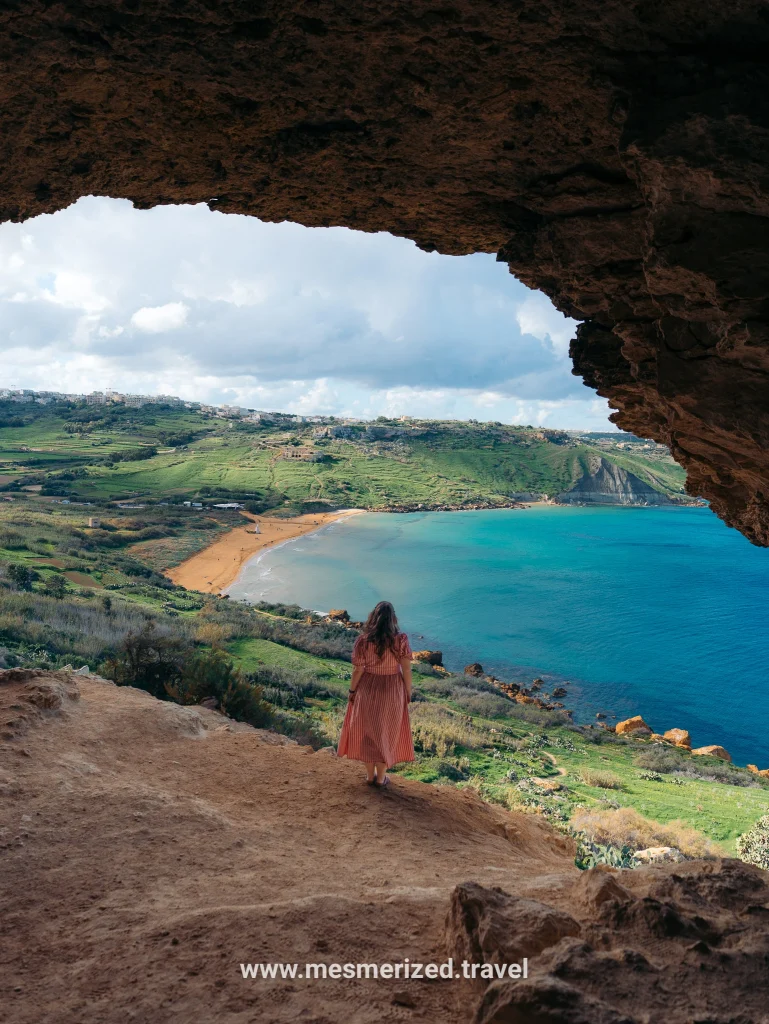
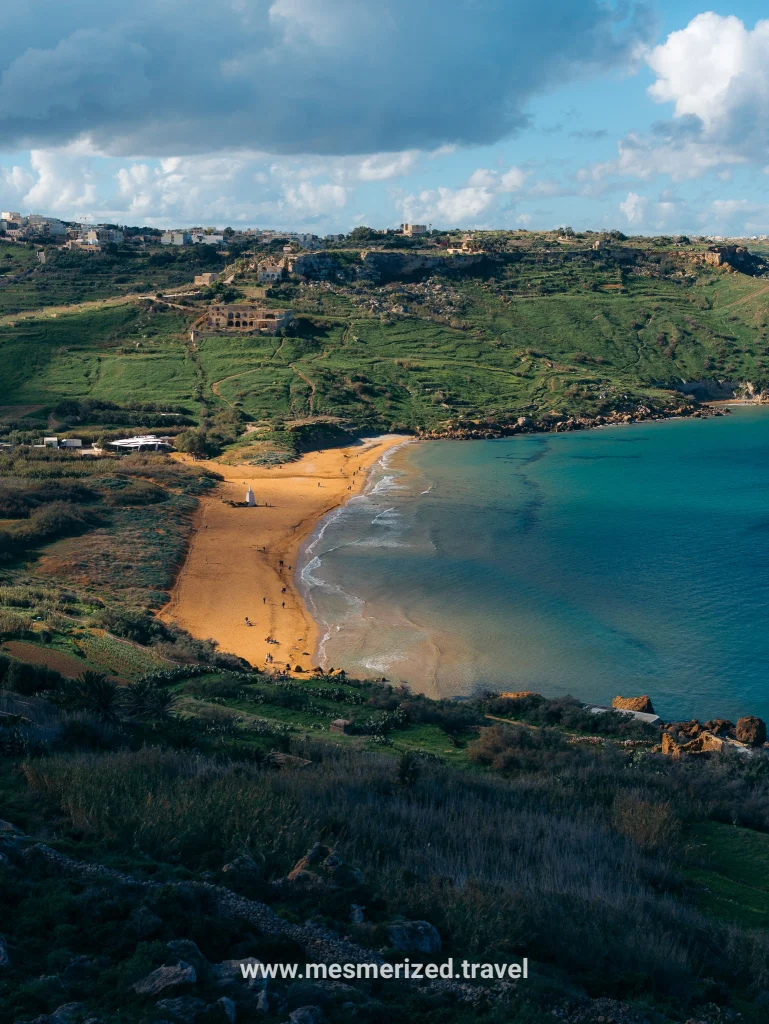
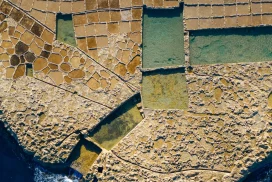
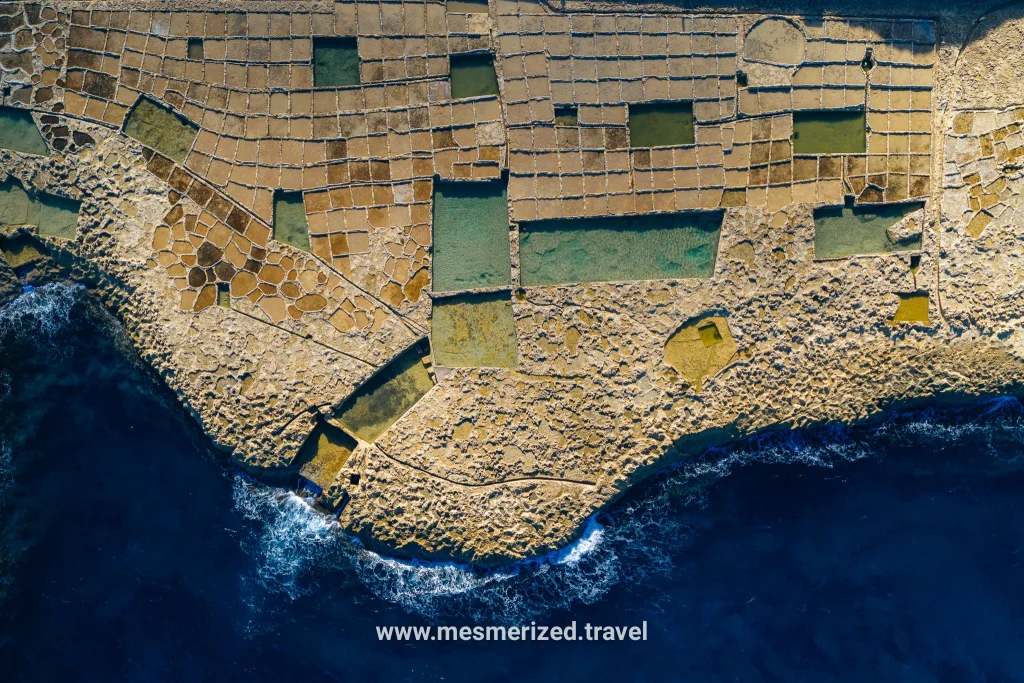
From there, head towards the coast and stop at the salt pans near Marsalforn. From above, they almost look like patterns or something man-made, but they’ve been used for centuries. You can buy a souvenir here, a small bag of salt if you want.
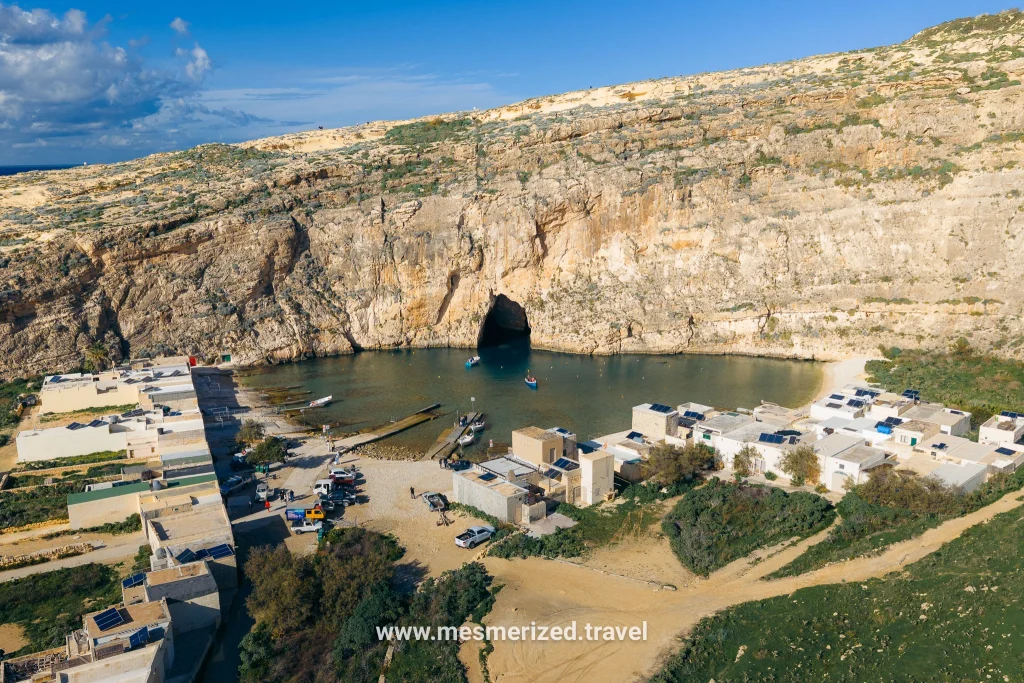
Continue your loop towards Dwejra, where you’ll find the Blue Hole and rugged coastline. Even without the Azure Window, this area still feels dramatic and looks cool. You can hop on a small boat trip here on Dwerja Inland Sea that has a small passage towards the open sea. Looks really cool.
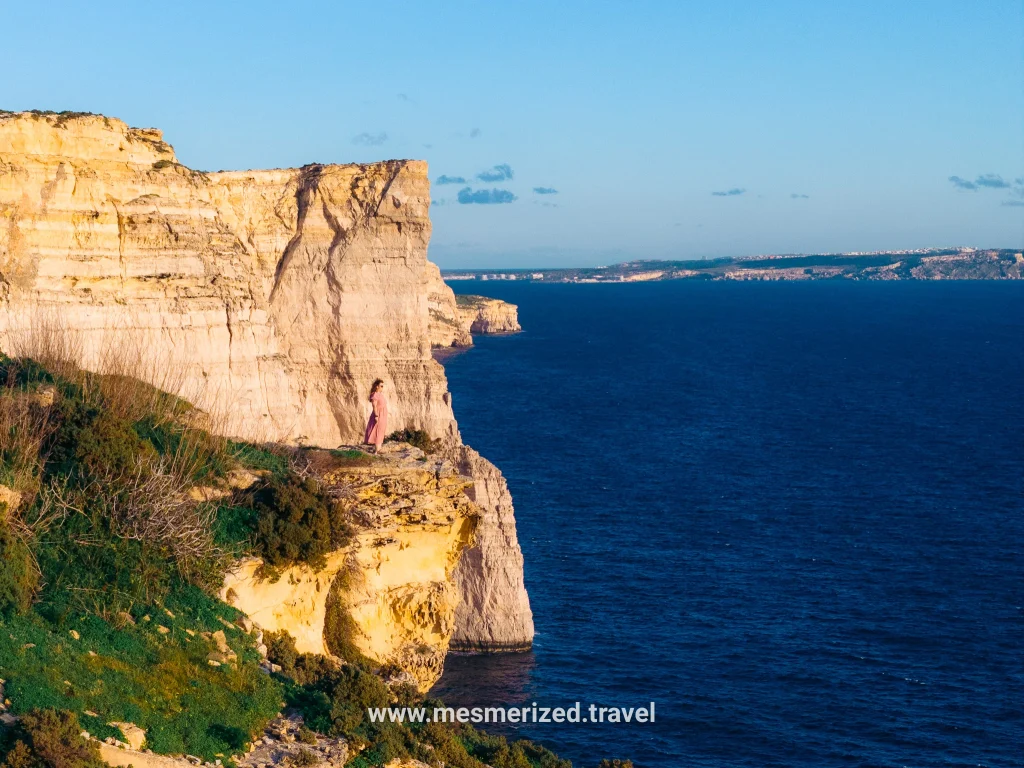
If you have time, stop by Sanap Cliffs. Fewer people, wide open views, and a nice contrast to the rest of the island. But similar to Dingli cliffs we saw yesterday.
Finish your day in Victoria, the main town, where you can walk around a bit and then sit down for dinner in this amazing restaurant Maldonado Bistro Gozo, a fusion of Maltese, French and Italian cuisine. Loved the food and tried so many new things.
Day 4: Beach Day & Comino
This is your slower day.
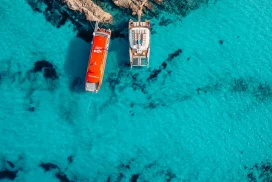
If the weather is good, take a boat to Comino and spend some time at the Blue Lagoon. The water here really is that bright turquoise you see online.
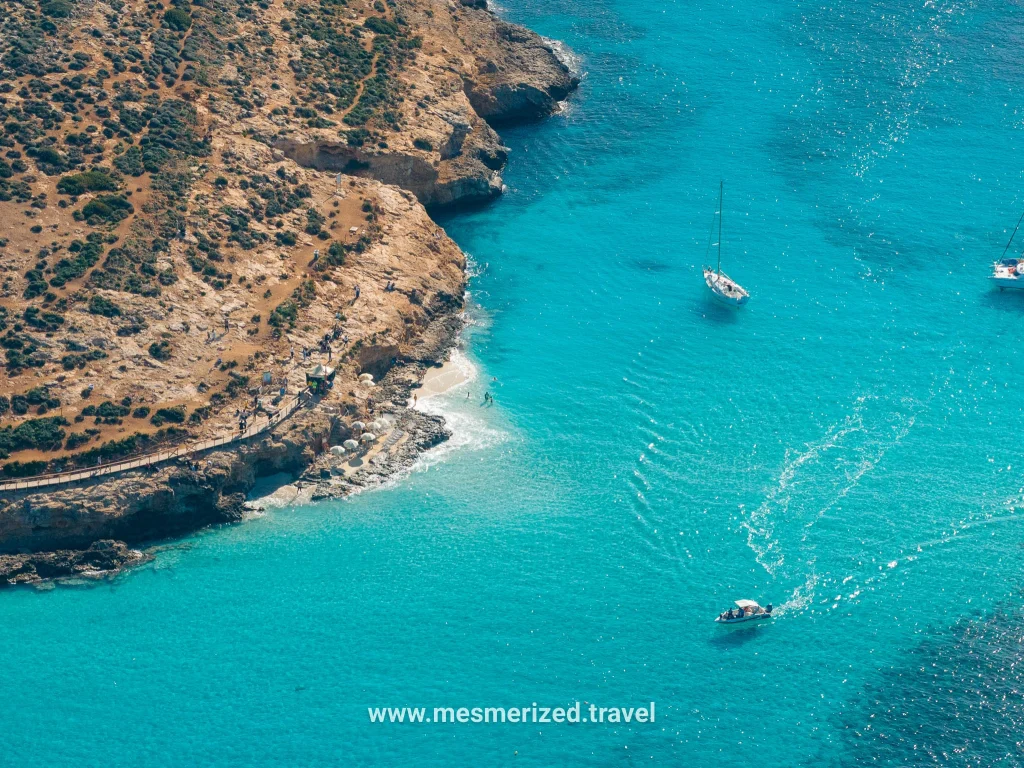
There are regular boats going there, especially in season, and you can also book tours in advance. It’s quite easy to organise either way.
If you don’t feel like going to Comino, you’ve got plenty of other options in the north:
- Paradise Bay
- Armier Bay
- Mellieħa Bay
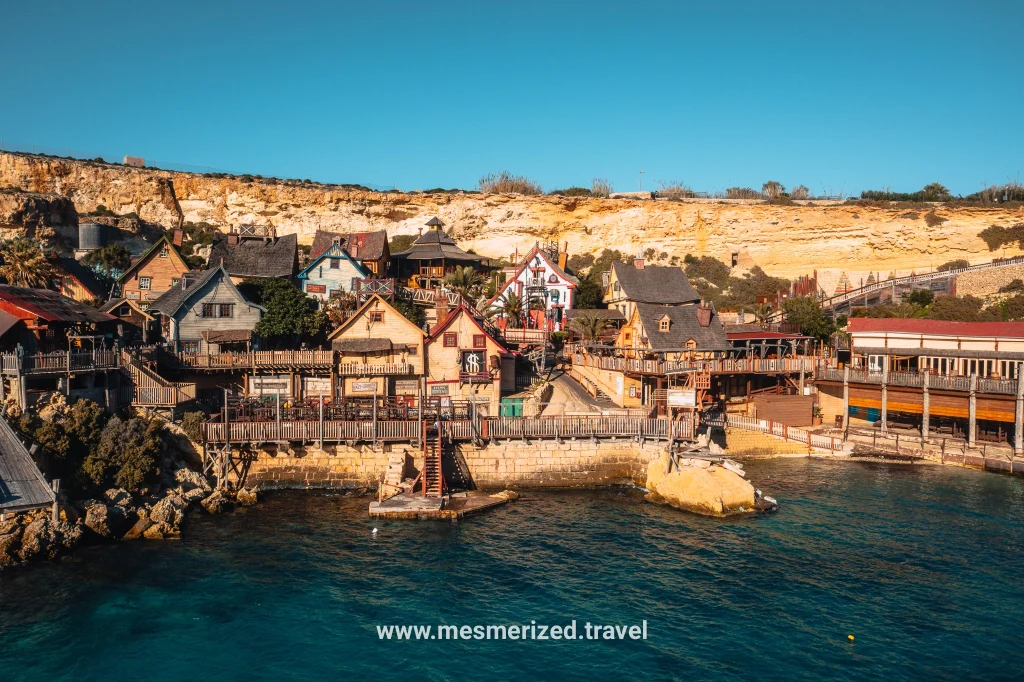
You can also stop by Popeye Village. We didn’t go inside, just viewed it from above, and that was enough.
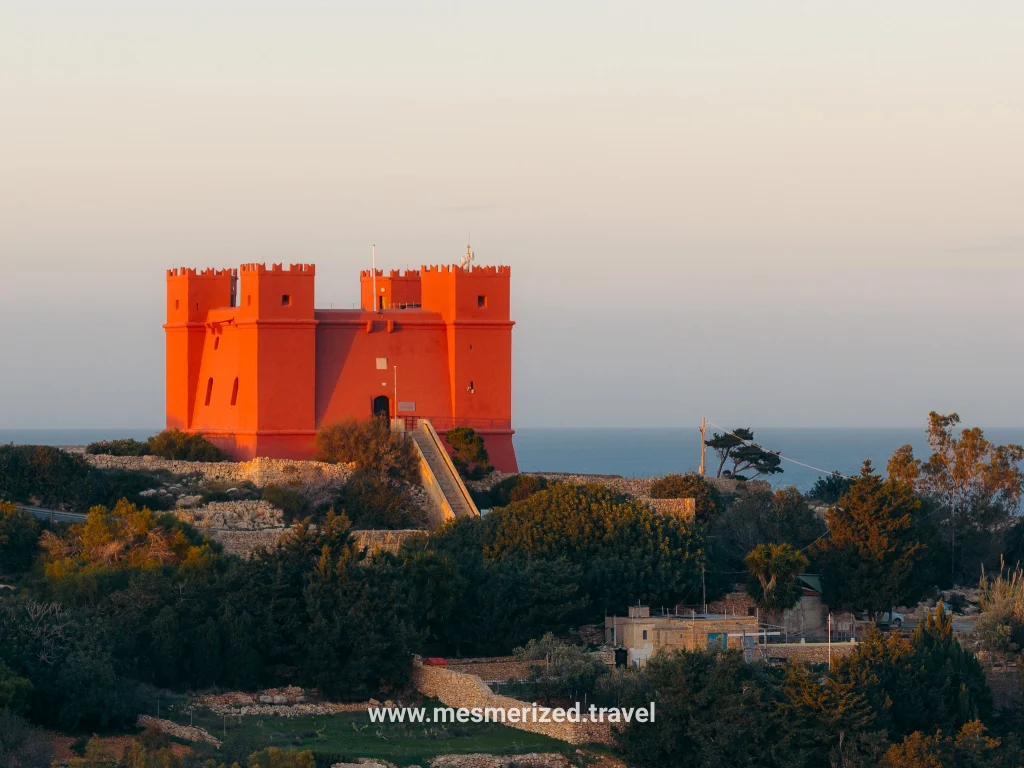
Nearby, there’s also the Red Tower, which looks a bit random, but stands out and is worth a quick stop if you’re already in the area.
Finish the day with dinner at:
La Buona Trattoria del Nonno or Made in Sud. The trattoria is famous for their ribs, and incredible pasta. We celebrated Alen’s birthday here and it was a proper feast. We ate at Made in Sud… probably five times on our first trip. It’s just really good Neapolitan pizza.
Day 5: Valletta
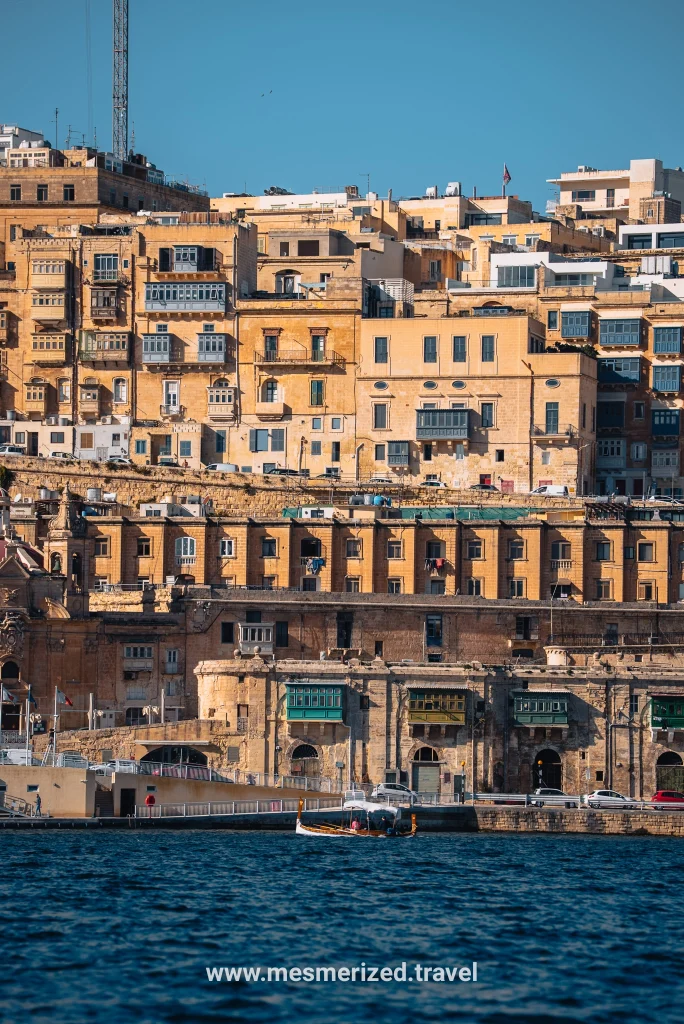
Up until now, you’ve seen Valletta from a distance, from the water, from Sliema, but not really walked through it.
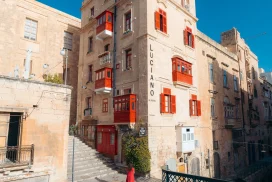
Start your morning in Valletta and just head inside the city, no rush. The streets are narrow, a bit uneven, full of small details, and honestly, it’s one of those places where looking up is just as interesting as looking around.
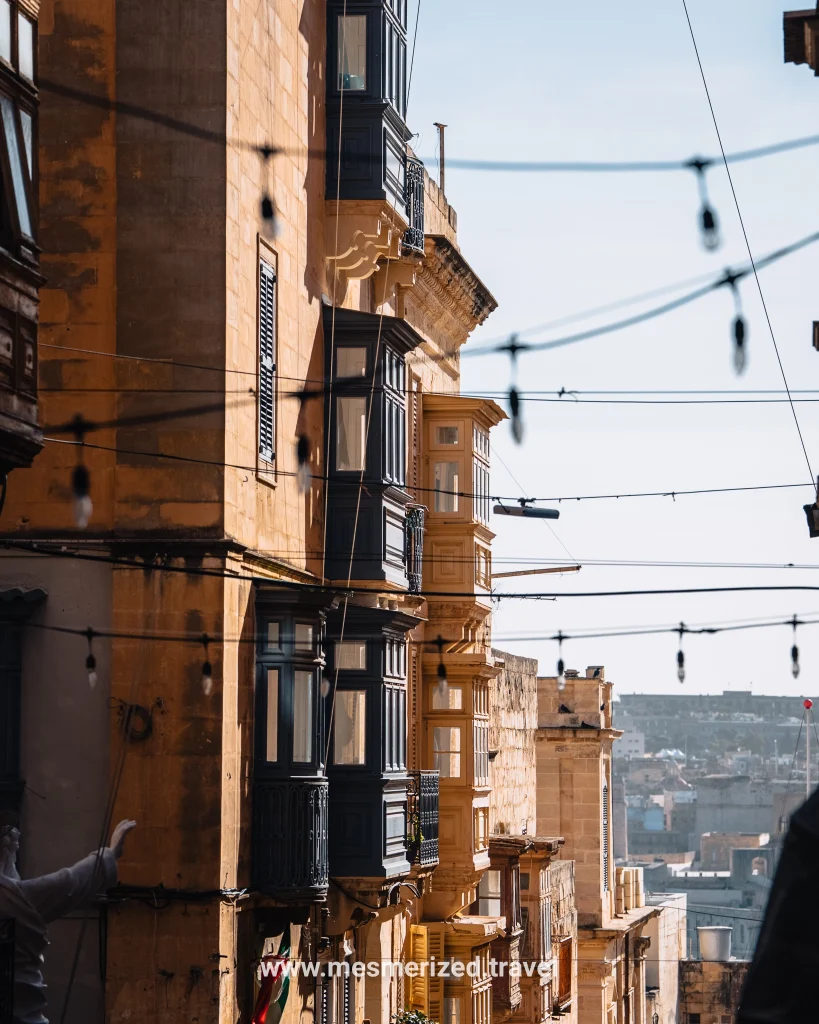

Make your way through the city and stop at the main spots along the way:
- St. John’s Co-Cathedral
- Upper Barrakka Gardens for the harbour view
- walk past the Grand Master’s Palace
- and you’ll keep seeing the dome of Our Lady of Mount Carmel from different angles
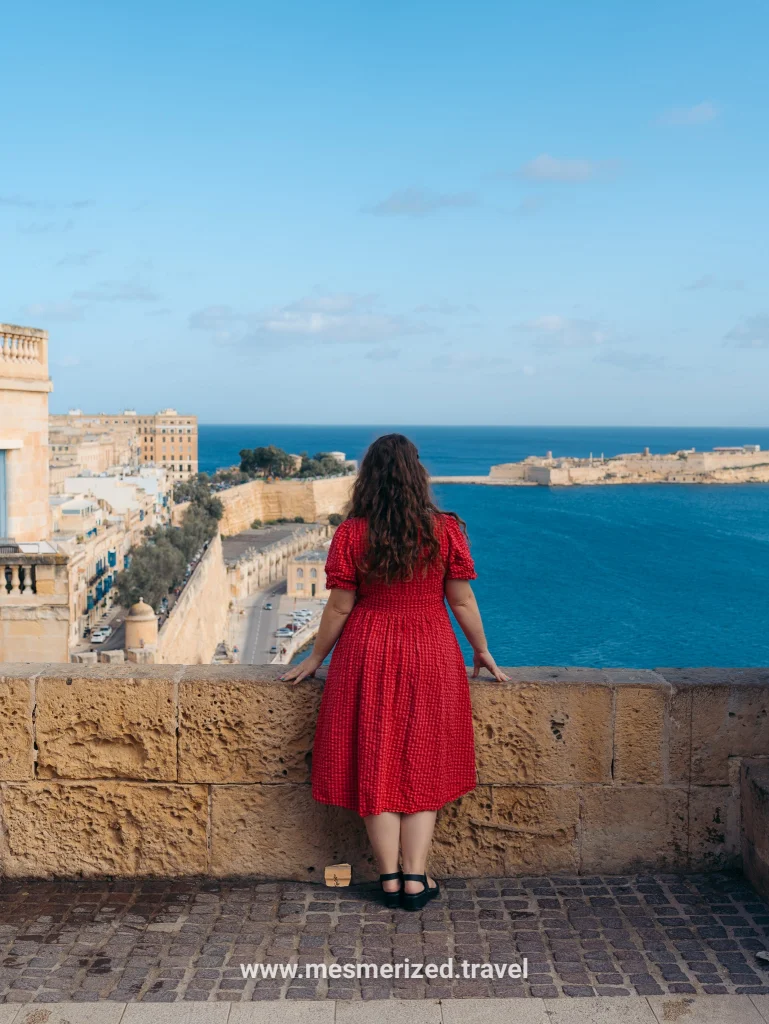
Around midday, you might hear the cannon from the Saluting Battery again, but now you’ll actually know what’s happening.
Grab lunch somewhere in the city, nothing rushed, just sit down and take a break after a few days of moving around.
In the afternoon, just keep walking. Valletta is not big, but somehow you keep finding new streets, new views, and small corners you didn’t expect.
If you feel like it, you can take the traditional Maltese boat (dgħajsa) across to the Three Cities. No plan needed here. Just walk.
Restaurant recommendations in Valletta:
Best Time to Visit Malta
Malta is a year-round destination, but the experience really depends on when you go.
We visited in December, and that was actually on purpose. We’re not into snow or skiing, so Malta felt like the perfect escape. Mild weather, plenty of sun, and no crowds. Most days we were walking around in short sleeves.
Summer is great if you’re coming for beaches and swimming, but it gets very hot and crowded. Walking around cities like Valletta in the middle of the day can be a bit too much.
If you want a balance, spring and autumn are probably ideal. Warm weather, but still comfortable for exploring.
But honestly, if you want fewer people and a more relaxed trip, winter is hard to beat.
Where to stay on Malta
If you’re wondering where to stay, go for Sliema or St. Julian’s. You’ll find plenty of hotels, great restaurants, and it’s super easy to get around from here.
Here are our top picks for hotels:
- Courtyard by Marriott Sliema
- 1926 Le Soleil Hotel & Spa in Sliema
- Land’s End, Boutique Hotel in Sliema
- San Karlu in Valletta
- Domus Zamittello in Valletta
How to Get Around Malta
Malta is small, so getting around isn’t complicated, but the way you do it can change your whole trip.
We rented a car both times and wouldn’t really do it differently. It just makes everything easier, especially for places like Gozo or Dingli Cliffs. Check out our tips for renting a car in Malta.
You can use buses, they go pretty much everywhere and are cheap, but they’re not always on time and can get crowded. Also, reaching some spots takes a bit longer.
If you’re unsure what to choose, we’ve broken it down here: Car vs Public Transport in Malta

If you have the time, five days is really the perfect sweet spot for Malta. You can slow down a bit, enjoy where you are, and still see all the main highlights without feeling like you’re constantly moving.
What we liked most is that nothing feels too far. You can go from a quiet village to a cliffside view, then end the day somewhere completely different in 30 min or less. Hope you’ll enjoy Malta as much as we did!
Until next time, be mesmerized ❤️