Day 1: Valletta & The Three Cities
Start your trip in Valletta, Malta’s capital and probably one of the most beautiful small cities in Europe.
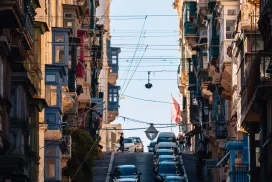
Walk through the streets, look up at the balconies, and just take your time. Valletta is not about rushing.
Make sure to visit:
- St. John’s Co-Cathedral (plan ahead so it’s open, unlike us)
- Upper Barrakka Gardens for the view over the harbour
- Walk past the Grand Master’s Palace
- Spot the dome of Our Lady of Mount Carmel from different angles

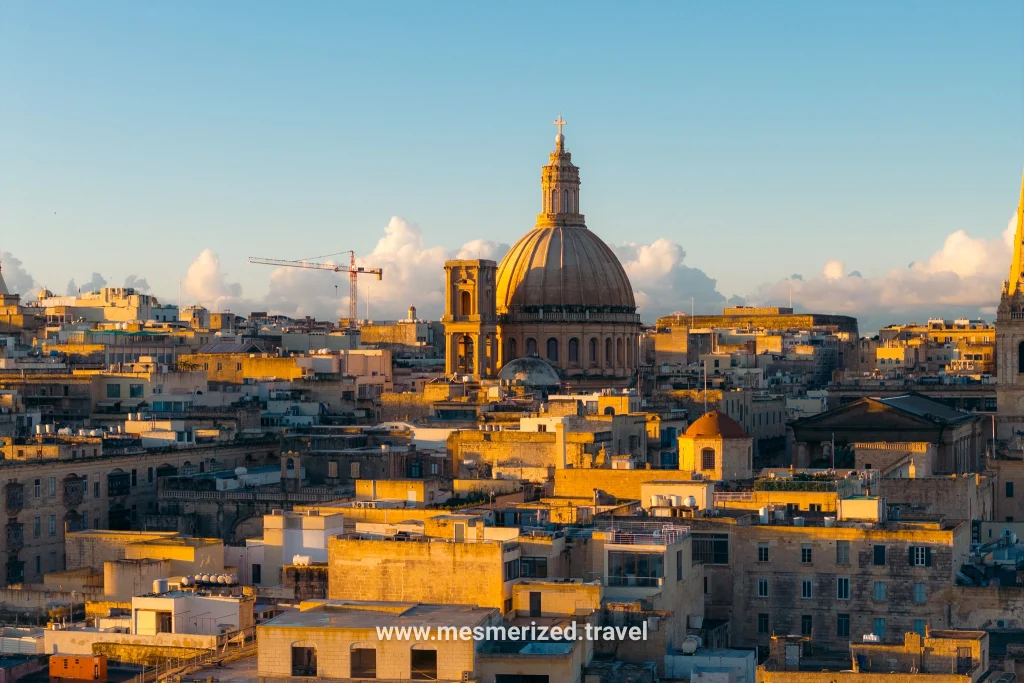
Around noon, if you’re near the gardens, you might hear (or see) the cannon firing, don’t worry, it’s just the Saluting Battery.
Once you’ve explored Valletta, take a traditional Maltese boat (dgħajsa) across the water. It costs just a few euros and gives you a completely different view of the city.
On the other side, you’ll find the Three Cities: Vittoriosa, Senglea, and Cospicua.
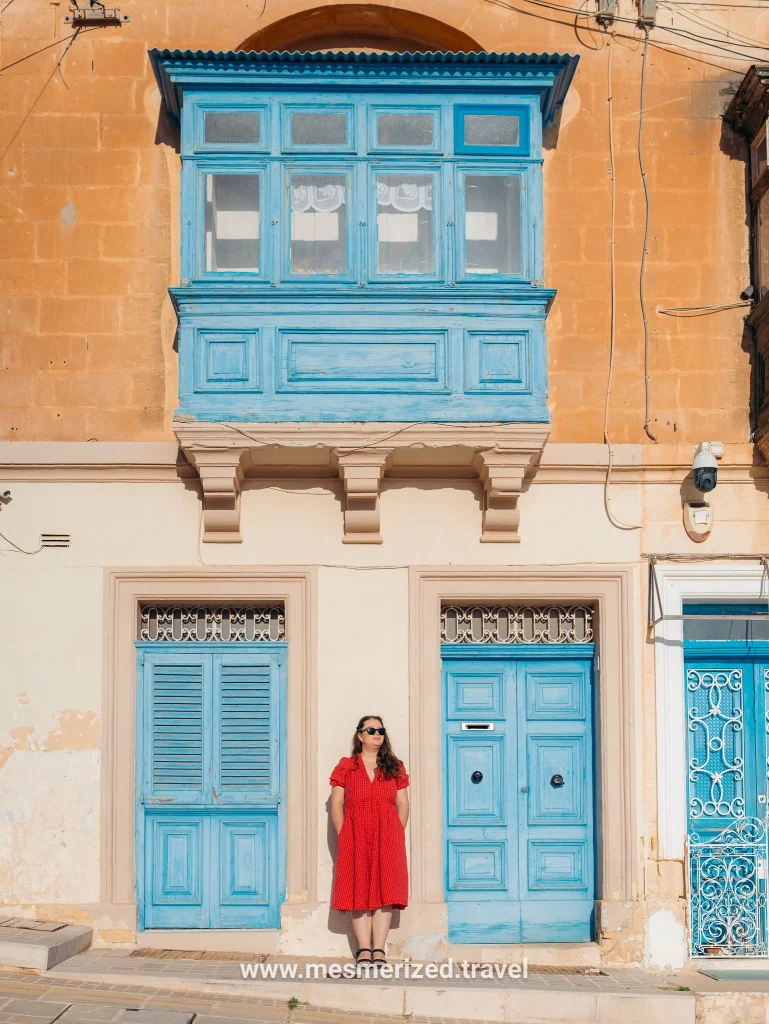

They’re quieter, more local, and honestly one of our favourite parts of Malta. Just walk around, no plan needed. Narrow streets, small cafés, and almost no crowds.
For more details check out Top Things to do in Valletta
Where to eat in Valletta:
- Grano brunch place with tasty sandwiches
- Zero Sei Trattoria Romana Italian restaurant
- Ta’ Nenu Valletta Maltese restaurant
- Legligin Restaurant Maltese restaurant
Day 2: Marsaxlokk & Mdina
Start your day early and head straight to Marsaxlokk.


This is Malta’s most famous fishing village, and honestly, it looks exactly like the photos. Bright colourful boats, calm water, and a really relaxed vibe. It’s one of those places where you just walk along the harbour, take way too many pictures, and maybe stop for a coffee.
If you’re visiting on a Sunday, there’s also a fish market, which makes it even more lively.
If you feel like adding a swim stop, St. Peter’s Pool is very close by.
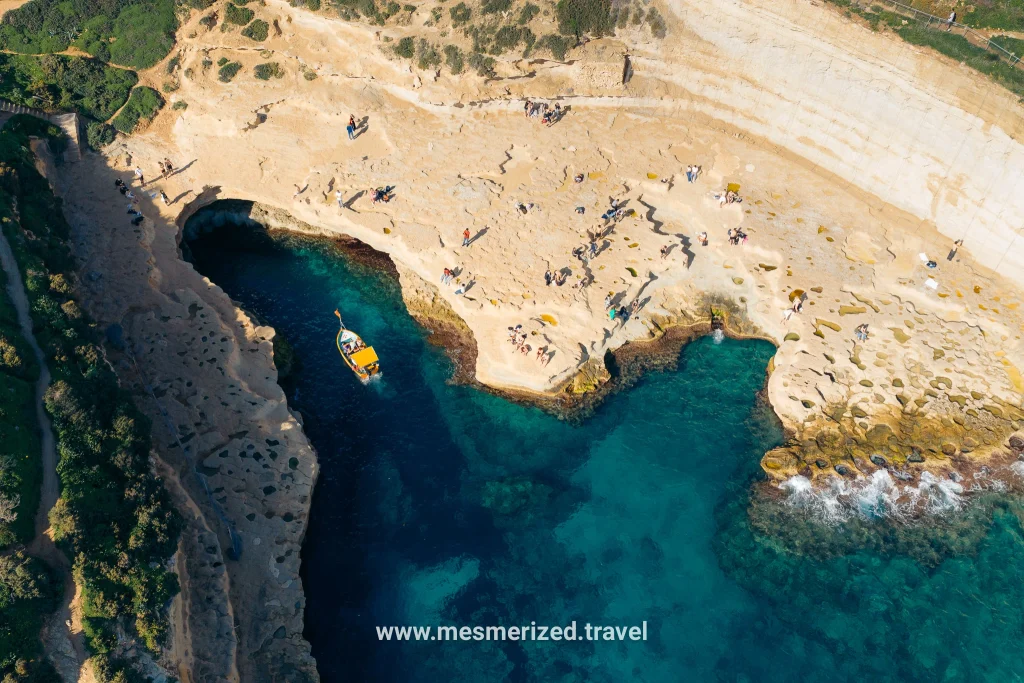
It’s a natural rock formation with super clear water, popular for cliff jumping and just hanging out by the sea. The walk down is a bit rough, but the views are worth it. Even if you don’t swim, it’s a nice quick stop.
Next, head to the Blue Grotto.
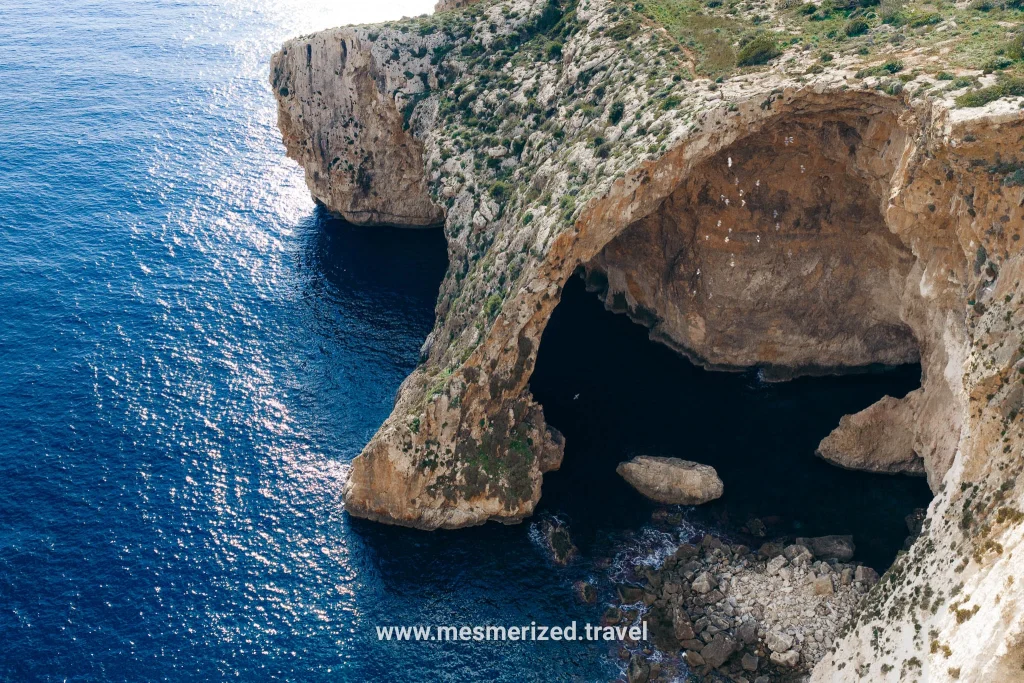
From above, it already looks amazing, but the real experience is taking a boat into the caves. And honestly… don’t be like us and skip it. This is one thing we actually regret.
There are plenty of tours running throughout the day, so it’s easy to organise on the spot.
Continue to Mdina, Malta’s old capital.
Walk through the narrow streets, explore the quiet corners, and just take your time. It’s peaceful, car-free, and feels completely different from the rest of the island.
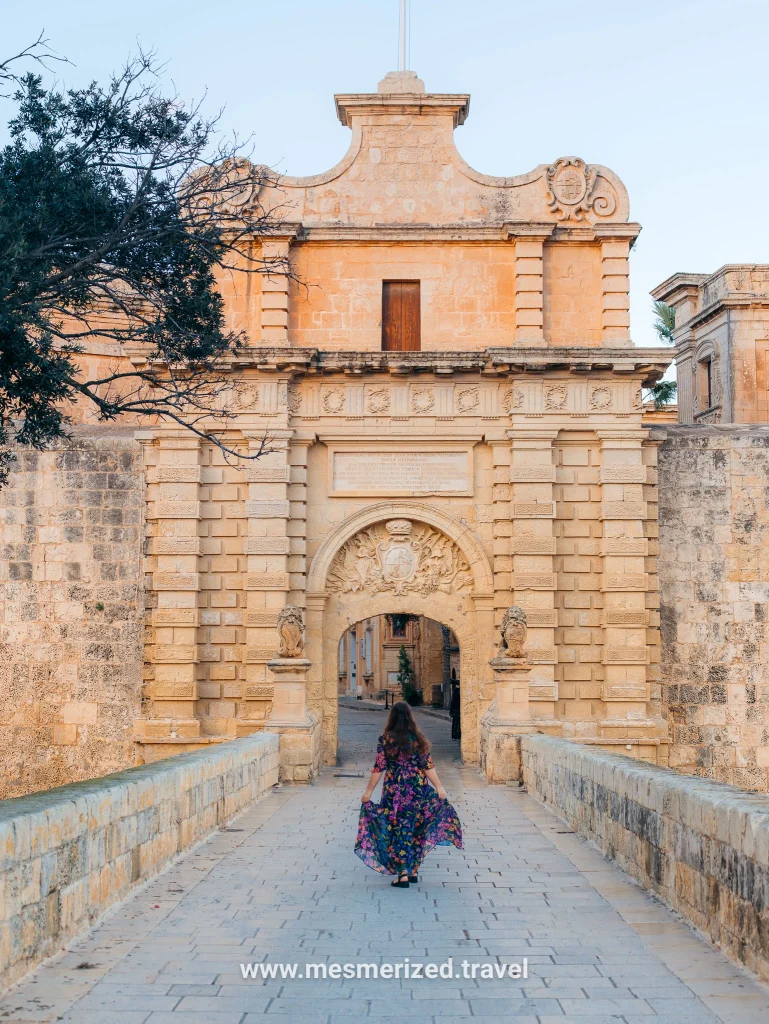

You don’t need a strict plan here, just wander a bit and enjoy it.
As the sun starts to set, go to Dingli Cliffs for amazing sunset (weather permitting).
This is the highest point in Malta, and it’s one of the best places on the island to watch the sunset. Wide open views, nothing blocking the horizon, just sea, sky, and that golden light slowly fading.
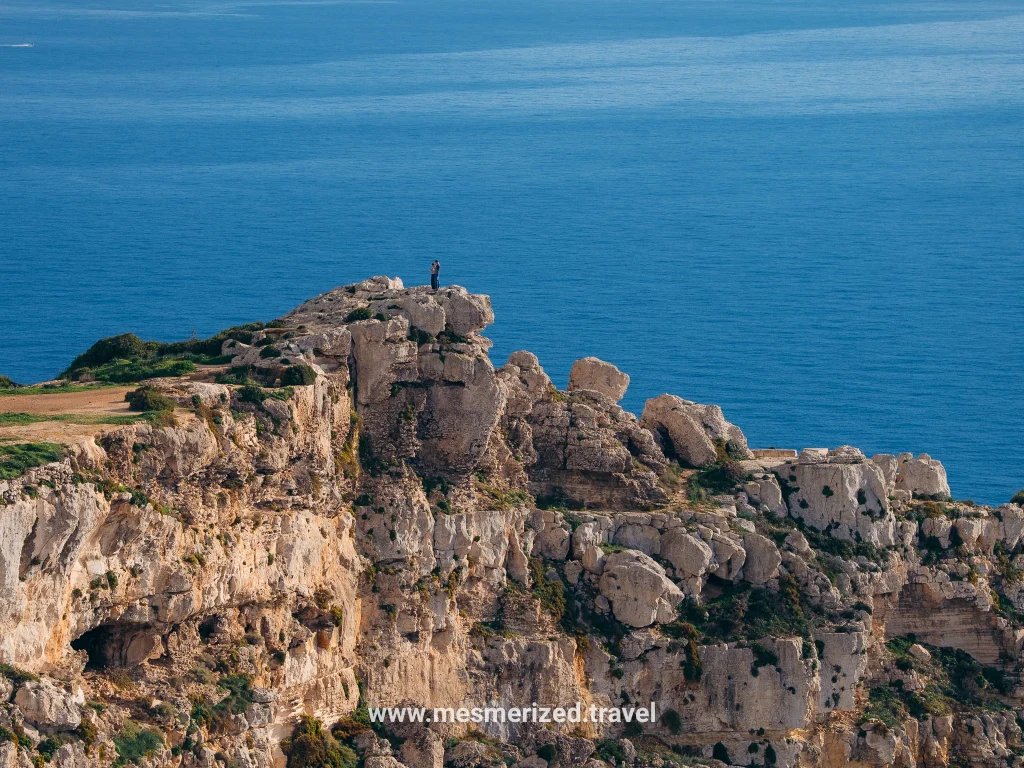
There’s not much here, just a small chapel and a few viewpoints, but that’s exactly why it feels so special.
Bring a jacket though, even on warm days it can get really windy.
And end your day with the best restaurant on Malta, right in Dingli town, Diar il-Bniet.
They offer local products, authentic dishes, the portions are huge and everything is supper tasty. They also have a small shop with local produces like olive oil, jams and we highly recommend it. We still have one jar of quince jam that will probably be eaten by the time you read this.
Day 3: Gozo Island & Blue Lagoon
For your third day, take a ferry and head to Gozo. And go as early as you can, because the line to ferry can stretch for kilometers.
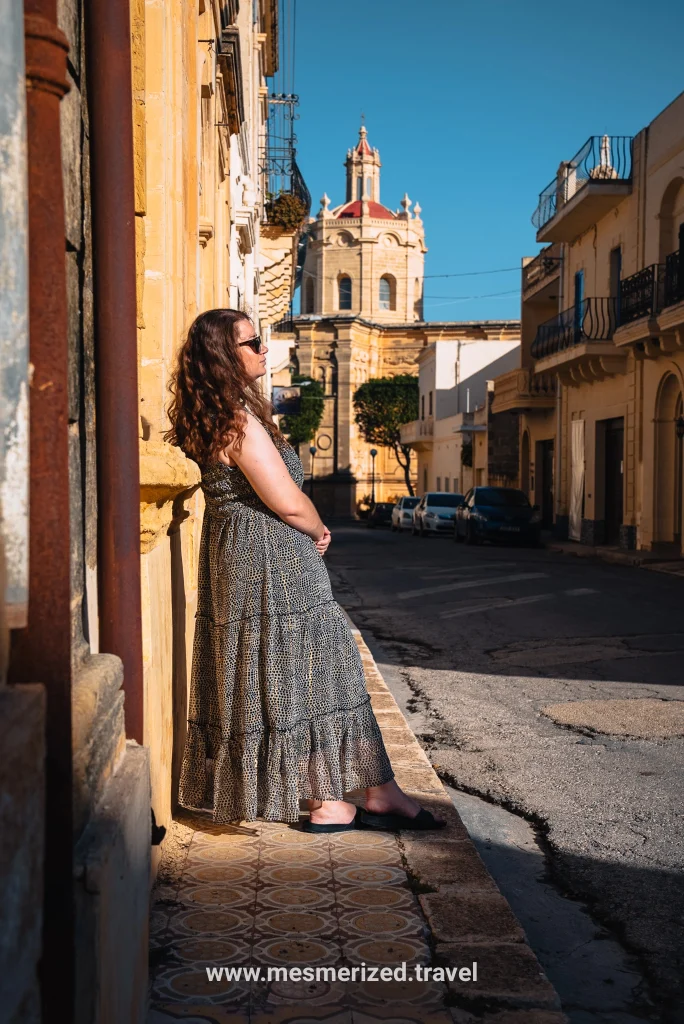
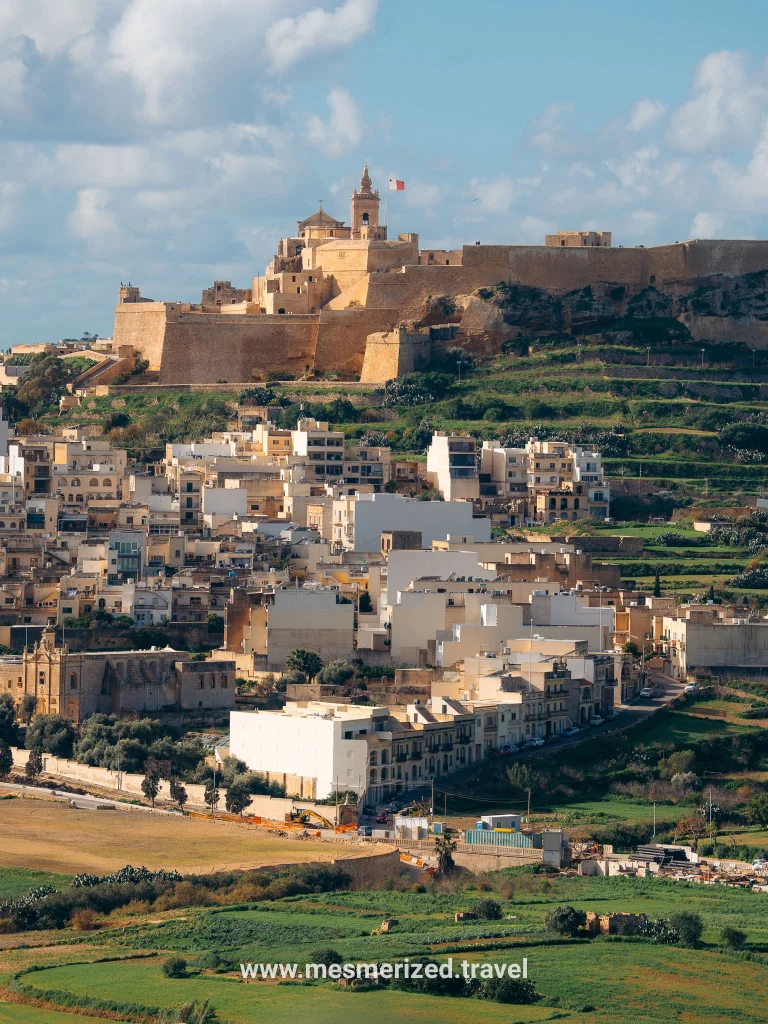
Gozo is quieter, more rural, and feels like a different side of Malta. Less busy, more nature, and a slower pace.
Once you arrive, you can explore:
- Victoria city
- the famous salt pans near Marsalforn
- the Ġgantija Temples, which are older than the pyramids
- enjoy many beaches like Ramla Beach
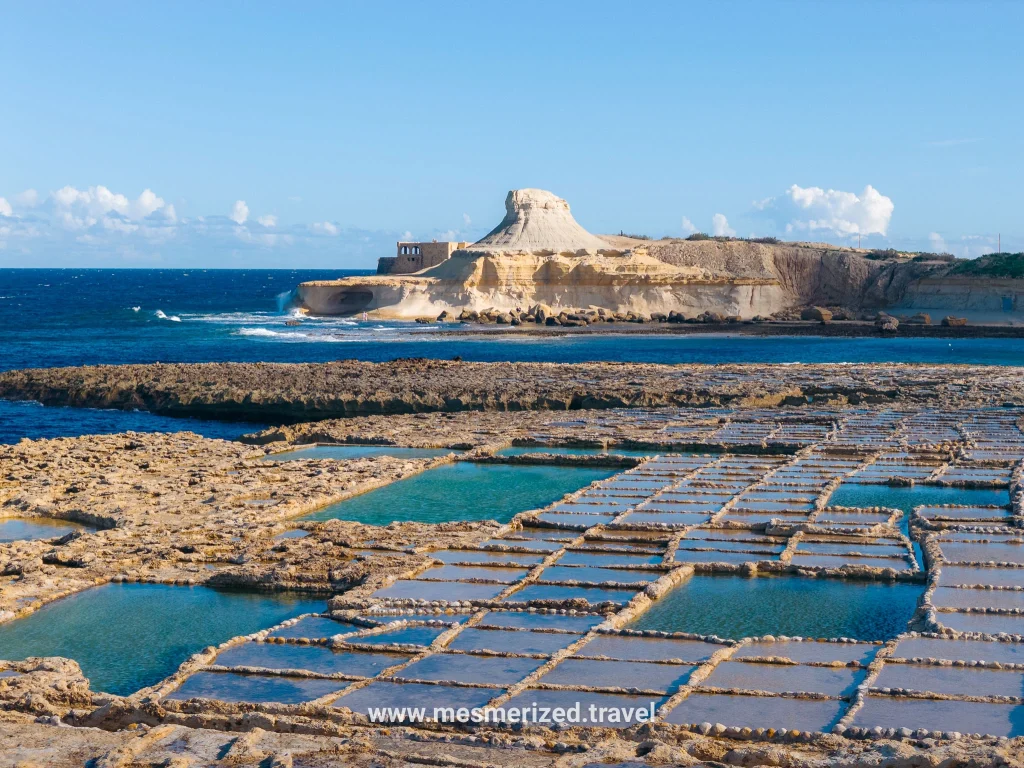
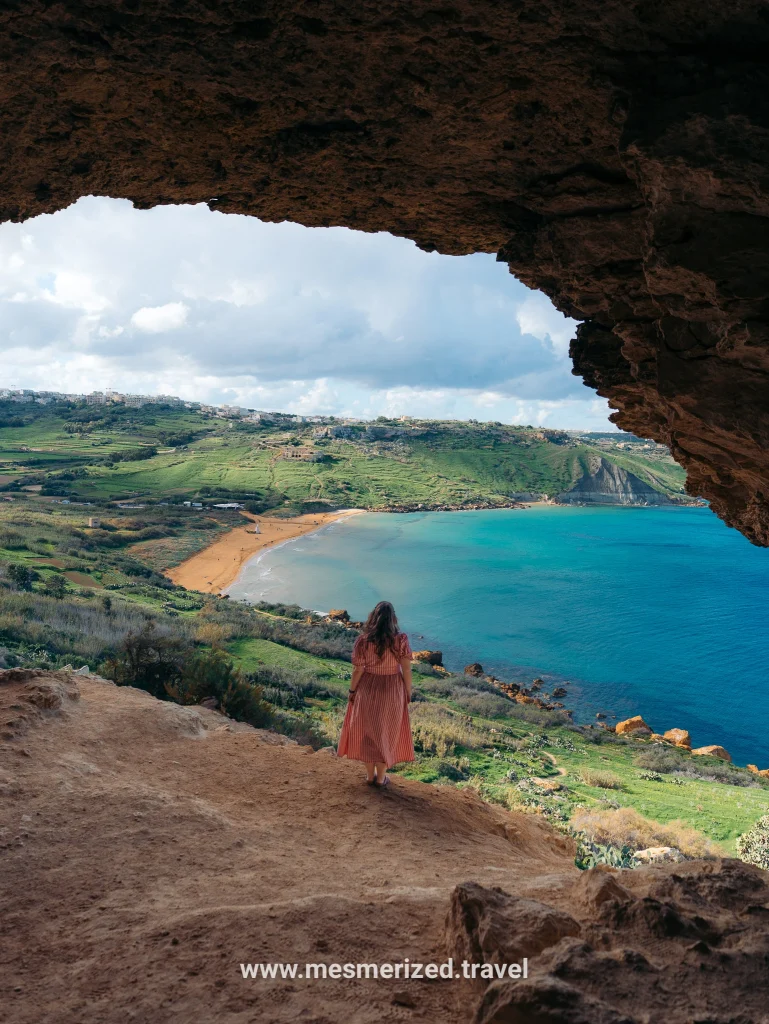
Gozo is perfect for just driving around and stopping whenever something catches your eye.
Have dinner at Maldonado Bistro Gozo it’s a bit pricy but with combination of French, Italian and Maltese cuisine, it’s a match made in heaven. Highly recommend it!
On your way to or from Gozo, you’ll pass Comino Island and the famous Blue Lagoon.
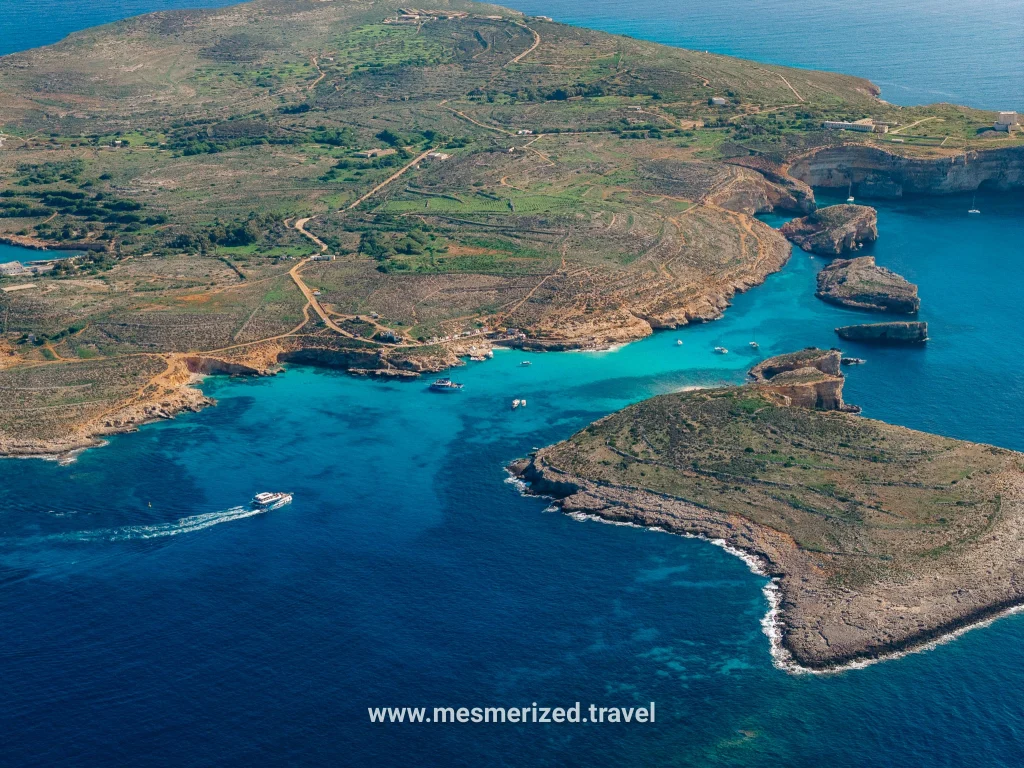
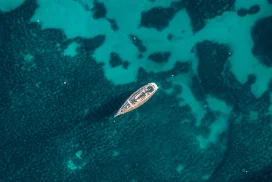
The water here is that bright turquoise colour you see all over Instagram. Even from the ferry, it looks unreal.
If you’re visiting in summer, it’s worth stopping for a swim. In winter, even just seeing it from the boat is impressive.
Optional stops (if you have extra time)
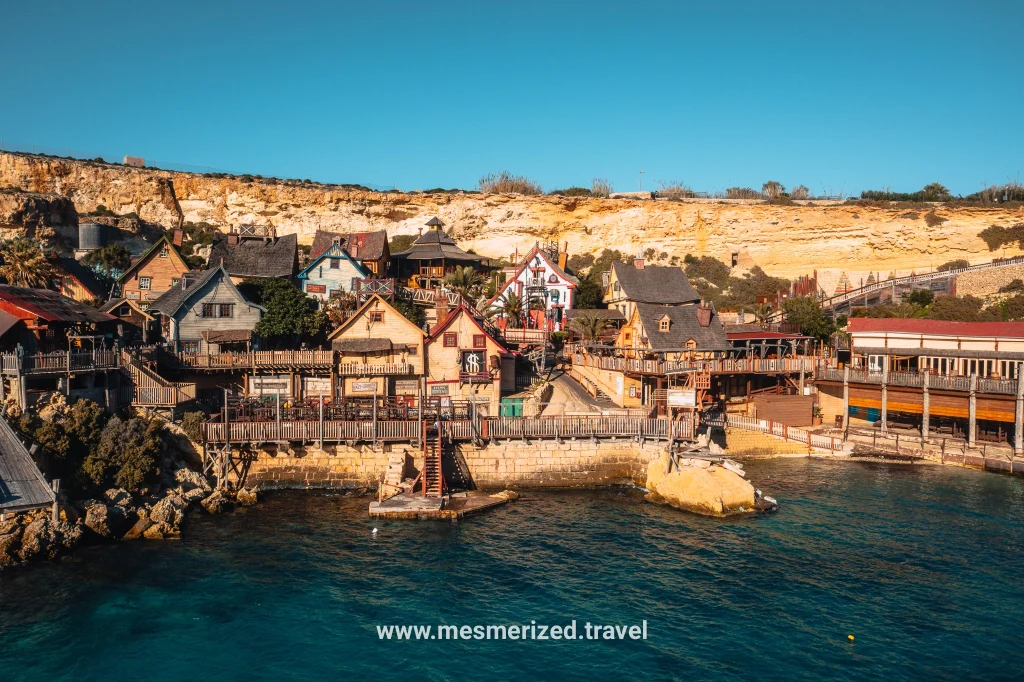
- Popeye Village for a fun photo stop (especially nice from the cliffs above)
- St. Peter’s Pool for swimming and cliff jumping
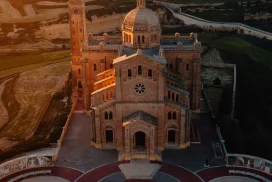
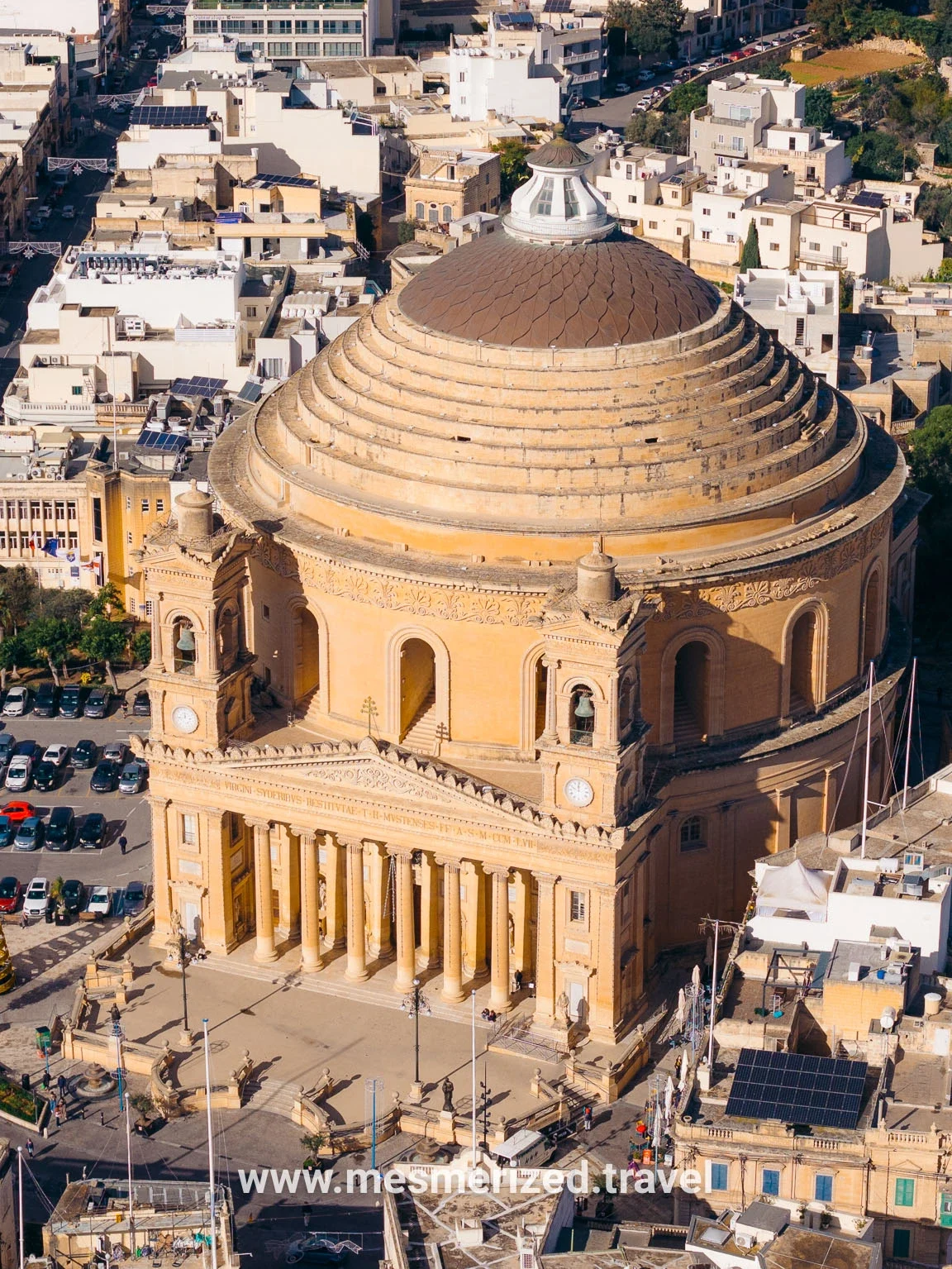
- Mosta Rotunda you will see it from a far a couple of times, but from the inside it’s just epic
Best Time to Visit Malta
Malta is one of those places you can visit all year round, but your experience will feel quite different depending on when you go.
We visited in December both times, and that was actually on purpose. We’re not really winter people, not into snow or skiing, so Malta felt like the perfect escape. Mild weather, around 15–20°C, plenty of sun, and no crowds. We were walking around in short sleeves most days, which still feels a bit strange for winter.
Spring, Summer and Autumn are great if you’re coming for swimming and beach days. But keep in mind it gets very hot in the summer, over 40°C.
How to Get Around Malta
Malta is small, which makes getting around quite easy, but the way you choose to explore it can really change your experience.
We rented a car both times we visited, and for us, it was the best decision. It gives you full flexibility, especially for places like Gozo, Dingli Cliffs, or smaller spots that are harder to reach otherwise.
Public transport is also an option. Buses connect most parts of the island, and they’re affordable, but they’re not always the most reliable. They can be late, crowded, and getting to more remote places can take quite a bit longer than expected.
If you’re deciding between renting a car or using public transport, we’ve compared both options in detail in our full guide: Car vs Public Transport in Malta
Where to Stay in Malta
We personally wouldn’t recommend staying right in the historic city centers like Valletta or Mdina. They’re beautiful, but not the most practical as a base if you’re moving around a lot.
A much better option is Sliema or St. Julian’s.
These areas have:
- a wide range of hotels
- lots of restaurants from all over the world
- cafés, bars, and a bit more life in the evenings
- easy access to Valletta (just a short ferry ride away)
We found it really convenient staying here. There are parkings available all around, good and various restaurants, and you have the perfect postcard view of Valletta in the evening.
Hotel recommendations:
- Courtyard by Marriott Sliema
- 1926 Le Soleil Hotel & Spa in Sliema
- Land’s End, Boutique Hotel in Sliema
- San Karlu in Valletta
- Domus Zamittello in Valletta

Malta might be small, but it really surprised us with how much there is to see and do. I mean we visited twice and just for that restaurant alone we would visit again.
Take it slow, leave some space in your plans, and just enjoy being there.
Until next time, be mesmerized ❤️