If you’re looking for a quieter, lesser-known day trip from Kyoto or Osaka, Tsubosaka-dera Temple is a beautiful choice. Set in the hills near Nara, it has an atmosphere completely different from the busier temples and shrines.

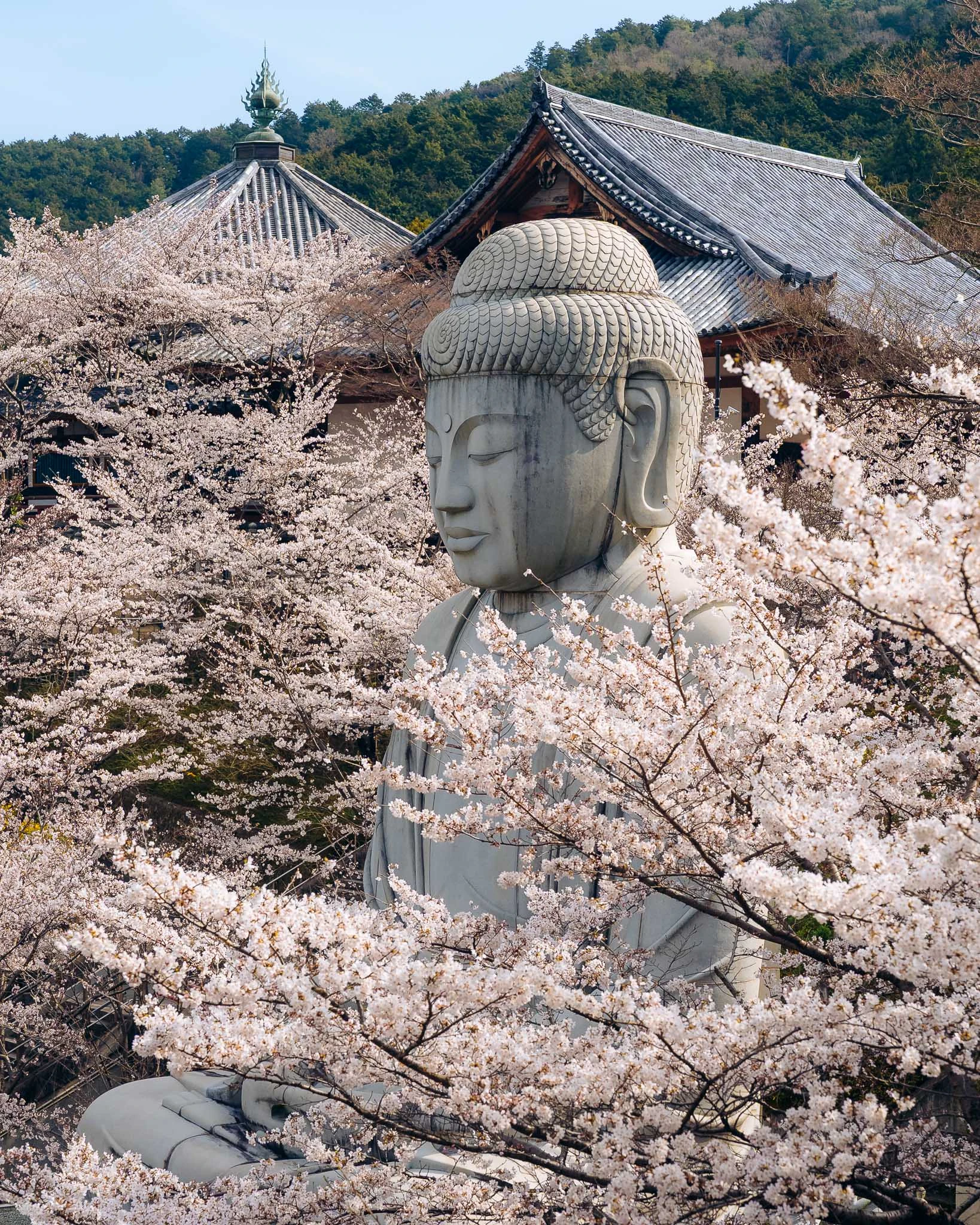
The temple is famous for its massive stone Buddha statues, spiritual connection to healing, and peaceful mountain setting. It’s the kind of place where you feel like you’ve stepped out of the city and into another world, you feel peaceful and calm. We had a wonderful time at the temple, and it really relaxed us and we felt at peace.
Tsubosaka-dera Temple Day Trip Experience
This is very similar to the trip we did to Tsubosaka-dera, just with everything organized for you. If you’d rather not plan it yourself, this is an easy way to visit one of Nara’s most unique and peaceful temples and more.
View Tour Details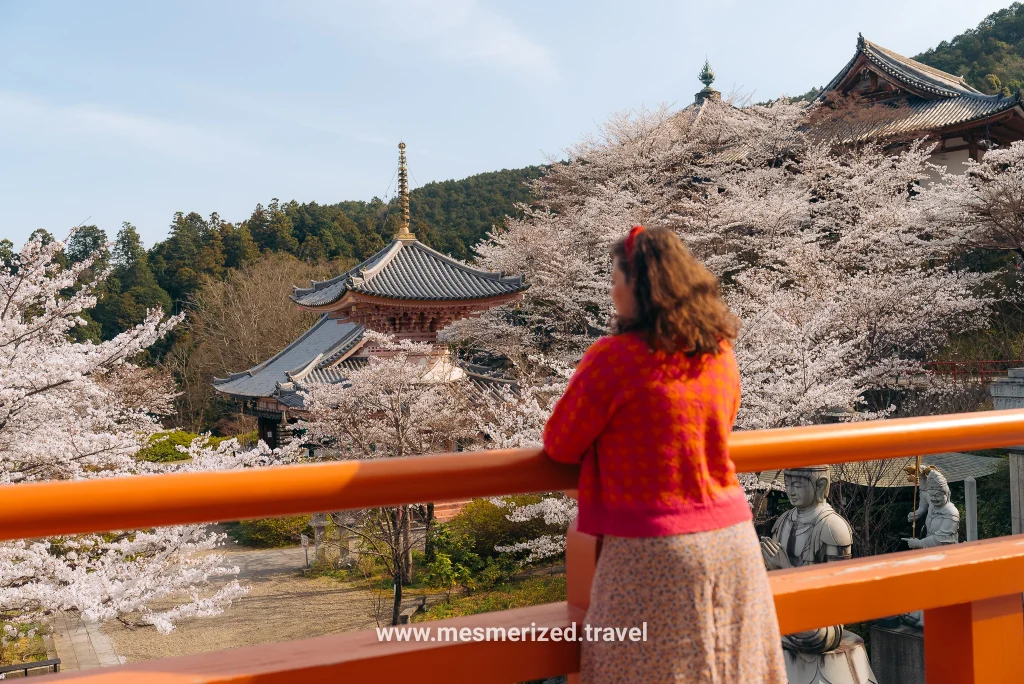
Getting There from Kyoto or Osaka
Tsubosaka-dera is located in Takatori, about halfway between Nara and Yoshino. From Kyoto or Osaka, the easiest way is to take the Kintetsu Railway to Tsubosakayama Station. From there, a short bus ride (or taxi) brings you right up to the temple gates. The trip takes about 90 minutes from either city, making it an easy half-day or full-day trip.
If you’re already visiting Nara, Tsubosaka-dera is easy to add to your trip, especially if you’re traveling by car. The drive goes through countryside and small villages, showing you a calmer side of Japan. If you need help renting a car in Japan, we’ve written our experience here, so check it out.
The Temple Grounds
Tsubosaka-dera was founded in the 8th century and has long been associated with healing eye diseases. Pilgrims have been coming here for centuries to pray for healthy vision, and you’ll still see offerings connected to eyes and sight.
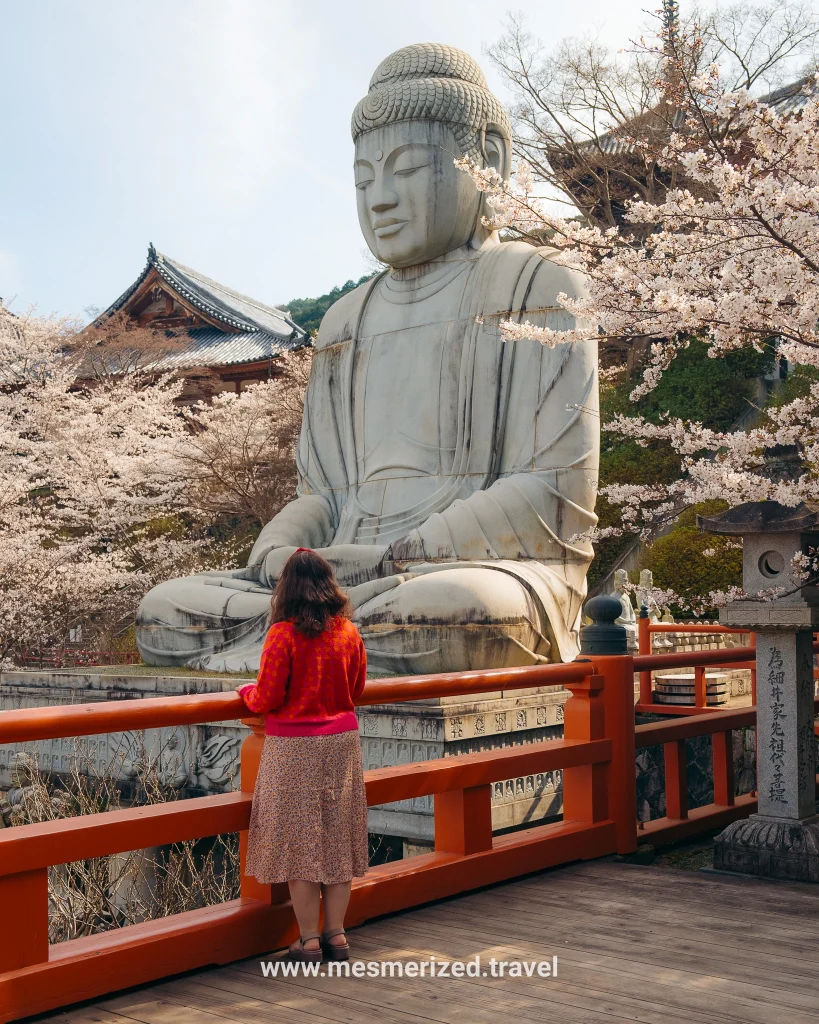
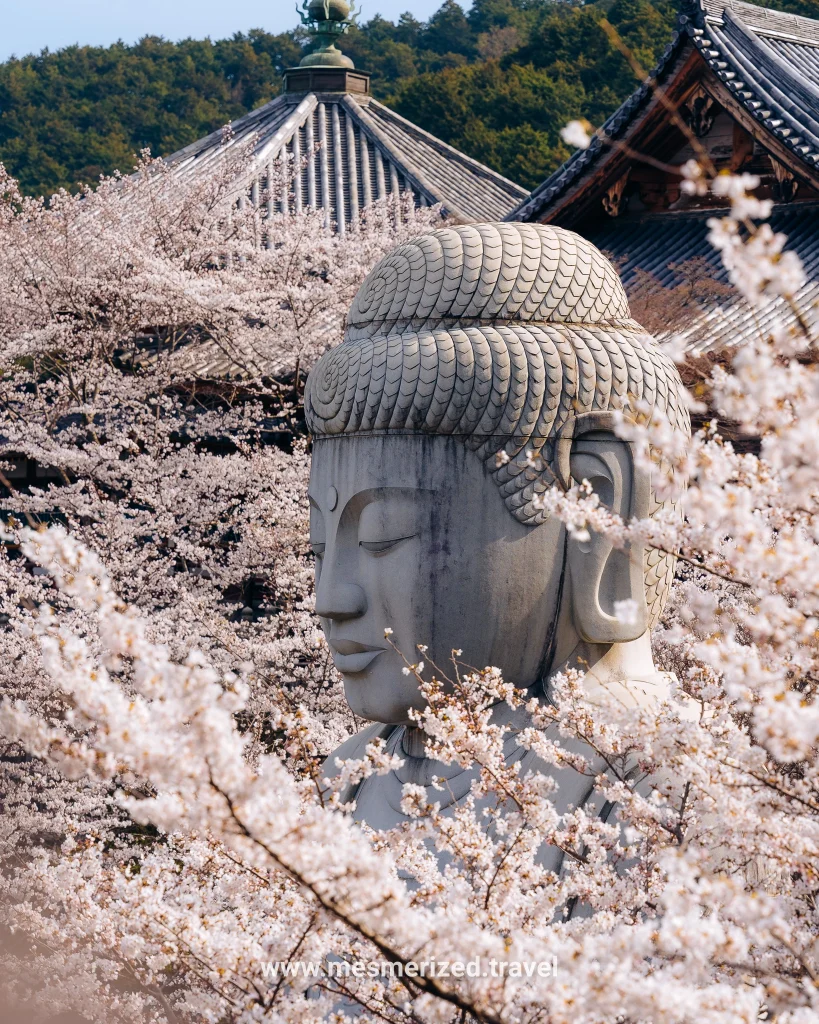
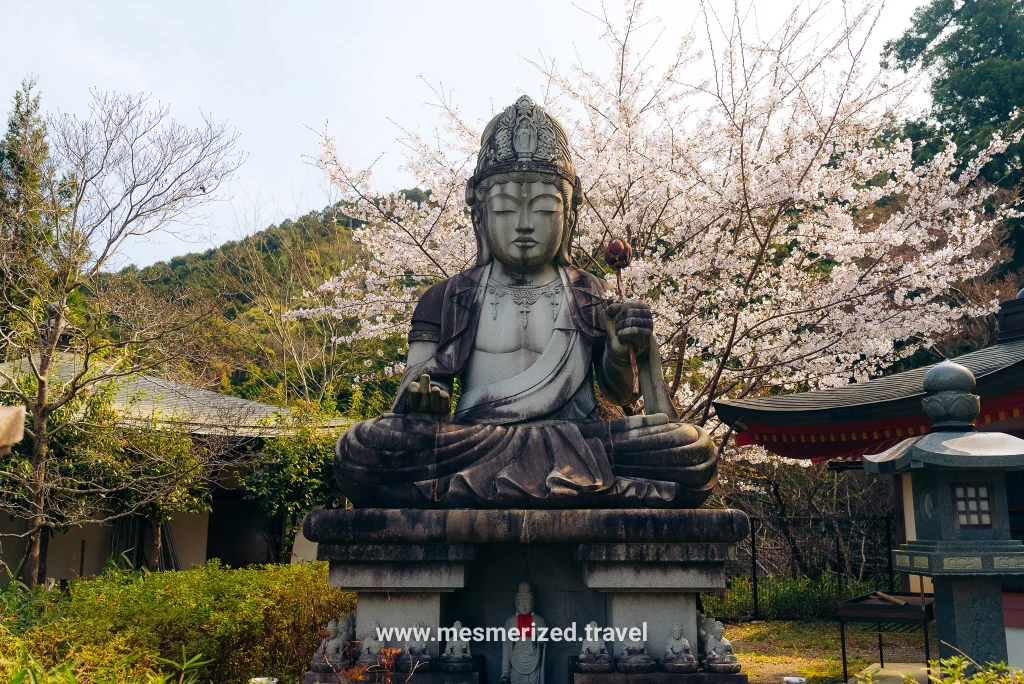
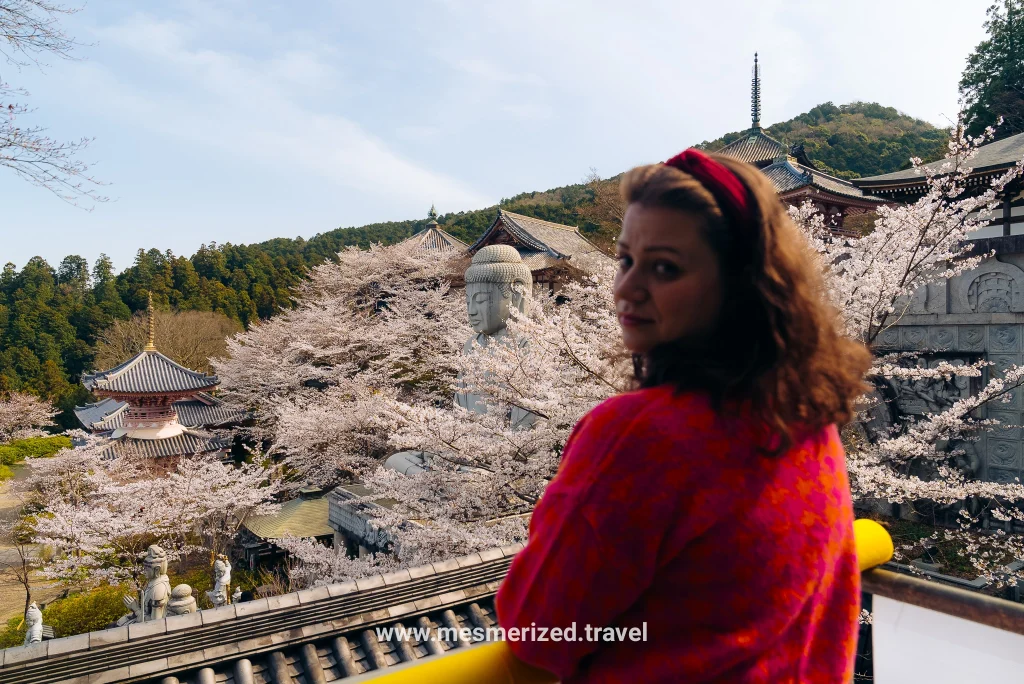
What makes it stand out are the giant stone Buddha statues spread throughout the grounds. The scale is impressive — high figures carved from stone that feel almost hidden until you turn a corner and suddenly come face-to-face with one. Combined with the mountain backdrop, it gives the temple a very powerful atmosphere.
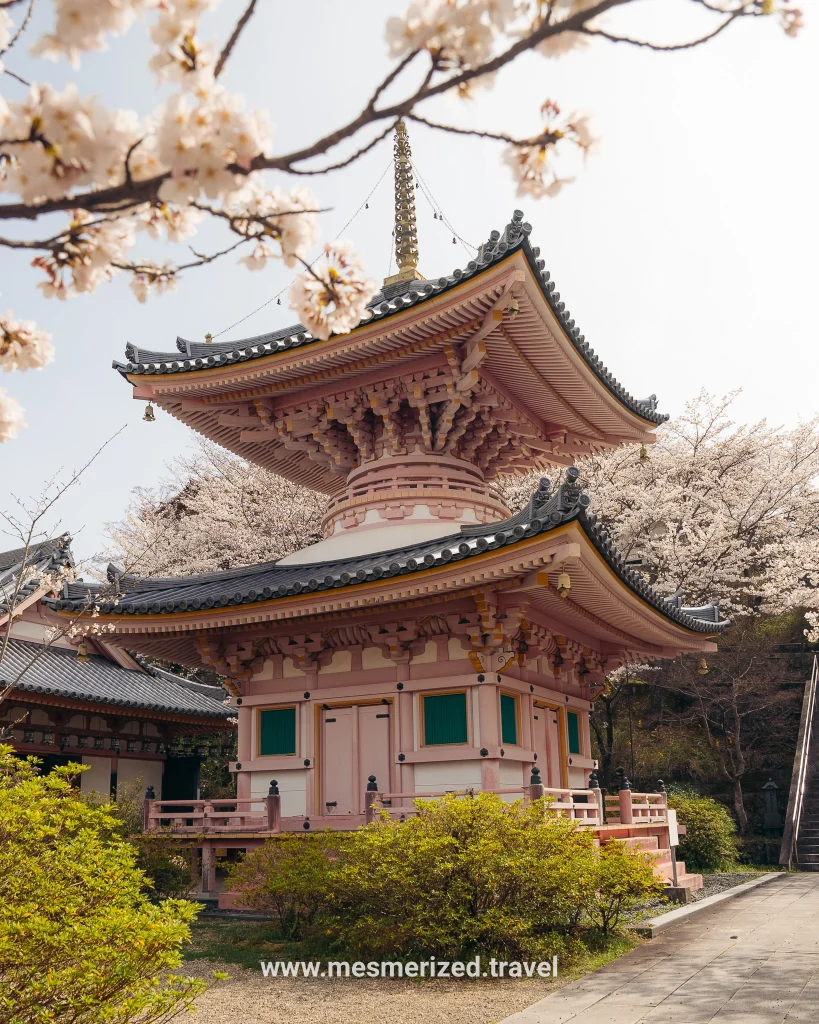
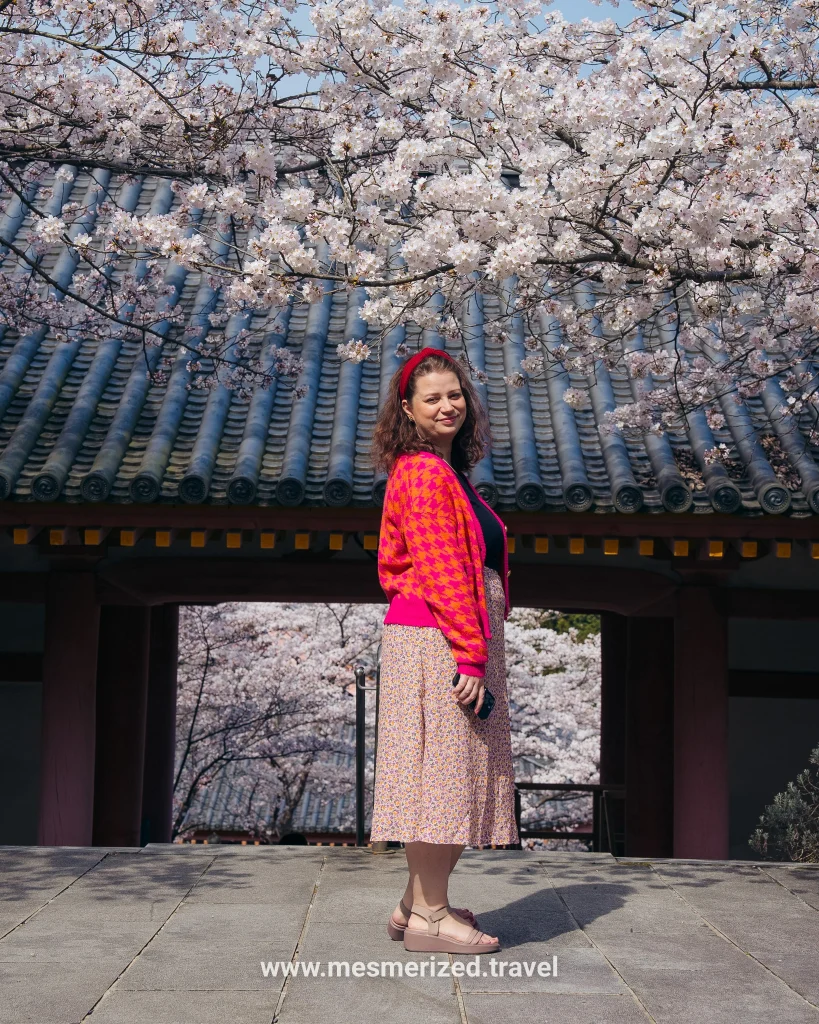
We visited during cherry blossom season, and it was unforgettable. The temple grounds were filled with more blossoms than we saw anywhere else in Japan – soft pink trees framing the statues and pathways. It made the whole visit feel extra special and turned Tsubosaka-dera into a dreamlike place. I mean just look at the photos how beautiful it was.
Why Visit Tsubosaka-dera?
Unlike the big-name temples of Kyoto or Nara, Tsubosaka-dera is rarely crowded. You’ll have space to walk quietly, take in the scenery, and just be with your thoughts. The combination of history, unusual statues, and peaceful surroundings makes it one of those hidden gems that feels worth the effort to reach. It’s also close to Yoshino, Japan’s most famous cherry blossom viewing area, so if you’re traveling in spring you can combine both in one trip.
Practical Information
- Opening hours: 8:30 AM – 5:00 PM daily
- Best seasons: Spring for cherry blossoms, autumn for foliage.
- Time needed: About 1–2 hours to explore the grounds.
While you are visiting this calmer part of Japan, here are a few spots we visited on our road trip here:

Tsubosaka-dera isn’t the kind of place you see on every Kyoto or Osaka itinerary, and that’s what makes it special. If you’re looking for a day trip that combines peaceful scenery, impressive statues, and a sense of discovery, this temple is worth adding to your list. Especially during cherry blossom season!
Until next time, be mesmerized 💚